SCIENCEFable’s Return Is About to Rewrite the Rules of Open-World Gaming4 min read
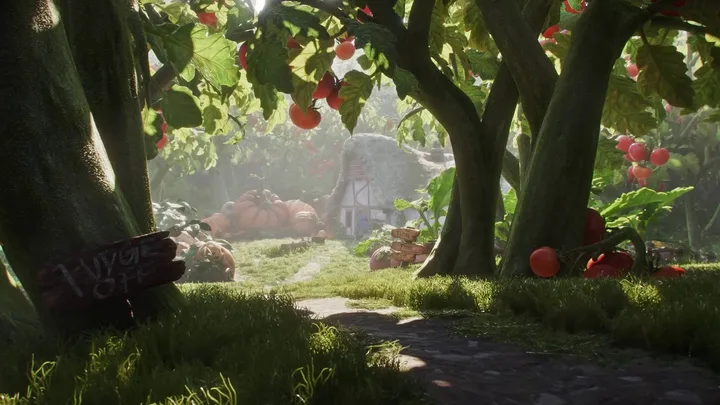
The Problem With Modern Open Worlds
Open-world games have earned a reputation for bloat. Massive maps stuffed with meaningless side-quests and empty geography that exists only to pad a runtime. Players wander for hours without encountering anything that sticks. The world looks impressive in a screenshot and hollow ten minutes in.
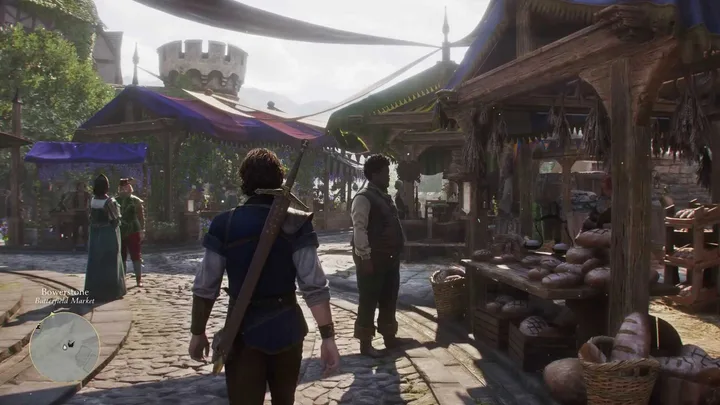
Fable’s reboot is positioning itself as a direct answer to that criticism. Its most discussed new feature is the Living Population system — over a thousand characters, each with defined personalities, daily routines, opinions, and beliefs. Follow any of them from morning to midnight and you’ll watch their actual day unfold: chores, community, errands, small conflicts. Real behavior, not looping idle animations.
What a Thousand Characters Actually Means
You can recruit NPCs to work in your businesses. You can damage relationships through neglect or cruelty. Friendships and rivalries form over time, and the game remembers them, calling back to established dynamics later in the story. Every single NPC is interactable, regardless of where you are in the main narrative. That is not a small thing.
Compare that to the standard open-world approach, where background characters stand in fixed positions and deliver two lines on a loop. Hogwarts Legacy, The Witcher — both excellent games, both guilty of populating their worlds with furniture. Fable is trying something structurally different, and if it works at this scale, every studio in the genre will be taking notes.