CURIOSITYFantasy Anime Finally Got Interesting Again and These 10 Prove It6 min read
Dorohedoro’s Grimy, Gorgeous Chaos
Dorohedoro has a magic system the way a landfill has an organizational structure. Magic users experiment on humans as casually as someone trying a new recipe. Transformations and curses are routine — not dramatic, escalating threats, but daily indignities that the city absorbs and keeps moving. The world is grotesque and somehow alive because of it.
Caiman — the protagonist with a lizard head and no memory of how he got it — drives the story forward through identity crisis rather than power accumulation. There’s no progression arc. There’s survival, and there’s the search for a face he can’t remember losing.
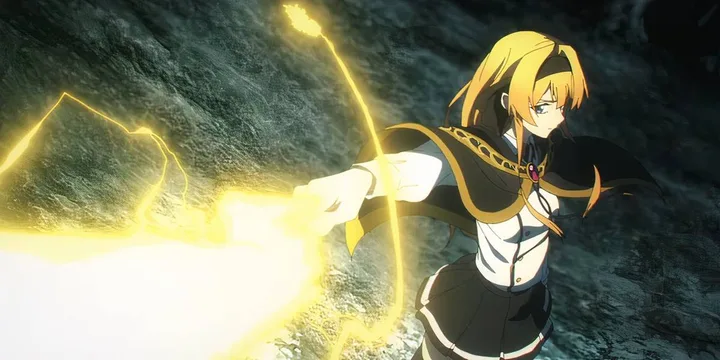
Wistoria and the Legitimacy Gap
In Wistoria: Wand and Sword 2, magic isn’t just ability — it’s citizenship. The world uses spell-casting as a marker of legitimacy, and the protagonist, who lacks it entirely, exists in a constant state of institutional exclusion. His physical combat skill is remarkable by any external measure. By the world’s internal logic, it counts for almost nothing.
The show finds its tension in that gap. Effort as a narrative value isn’t novel, but situating it against a system that actively punishes the wrong kind of effort gives it an edge that pure underdog stories often lose.
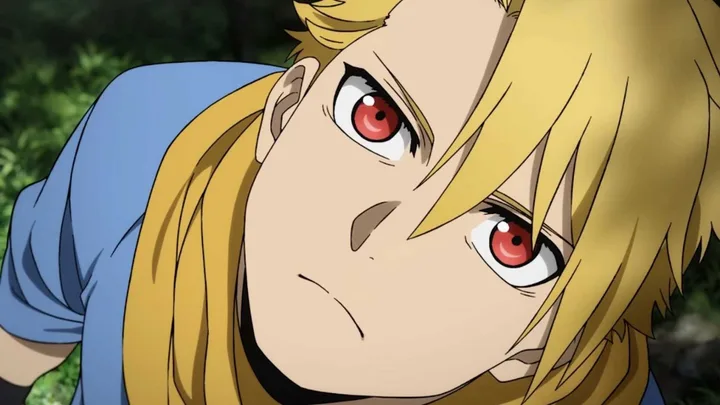
Daemons of the Shadow Realm and the Price of Partnership
Daemons of the Shadow Realm builds its power system around negotiation rather than domination. Characters don’t wield daemonic abilities — they enter agreements with them, and those agreements have ongoing costs to personal stability. No one in this world is simply overpowered, because power here requires a counterparty willing to hold up their end.
That duality — human and daemon, strength and sacrifice — gives the show a distinct moral texture. The fantasy here isn’t about what you can take. It’s about what you’re willing to give up to get it, and whether the terms of the deal change when circumstances do.