TRAVELHow a Bad Family Trip Changed Rooftop Camping8 min read
Lightweight Variants and Roof Load Reality
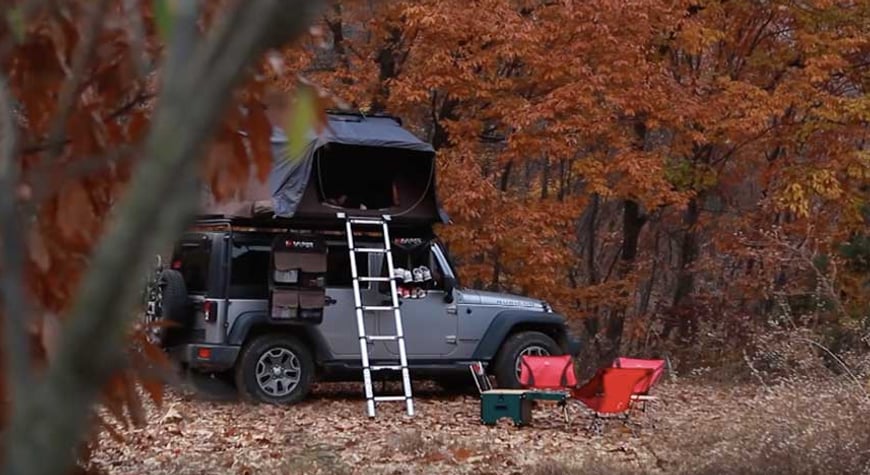
One of the practical constraints of any rooftop tent is the dynamic load rating of the vehicle’s roof — the amount of weight the roof can safely carry while the vehicle is in motion. Static load ratings (weight the roof can support while parked) are always higher than dynamic ratings, and manufacturers typically publish the higher number. A fully equipped rooftop tent with a mattress can weigh anywhere from 100 to over 200 pounds, which puts it within or beyond the dynamic load limit of many passenger vehicles. iKamper addressed this directly by developing lightweight versions of the Skycamp designed to come in under the roof load thresholds of a wider range of vehicles. This was not an afterthought — it was a recognition that the market extended beyond trucks and heavy SUVs.
Why the Overlanding Community Responded So Strongly
The overlanding community — people who take vehicles off pavement for multi-day or multi-week trips across remote terrain — had been waiting for a product exactly like the Skycamp. The community had grown substantially in the years before the campaign launched, driven in part by a broader shift toward vehicle-based travel and away from fixed-site camping. Overlanders value self-sufficiency, and a rooftop tent that one person can deploy in under a minute in the dark at the end of a long drive fits that value system precisely. The Skycamp campaign landed in a moment when the audience for it had grown large enough to produce a remarkable funding result, but the product itself was what turned that audience into backers.