TRAVELHow a Bad Family Trip Changed Rooftop Camping8 min read
What the Campaign Proved About Crowdfunding and Gear
The Skycamp campaign is frequently cited as evidence that crowdfunding works particularly well for outdoor gear when the product solves a known, specific problem that existing options handle poorly. The $2 million result was not the product of viral marketing or a celebrity endorsement — it came from a well-defined community recognizing a well-designed solution. iKamper had correctly identified that rooftop tent buyers were not price-sensitive in the way mass-market camping gear buyers are. Someone spending money on a vehicle capable of overlanding is already committed to a significant investment; spending several hundred dollars more for a tent that works better is a straightforward decision. The campaign validated that the market was both large enough and willing to pay for quality.
The Setup Experience in Practice
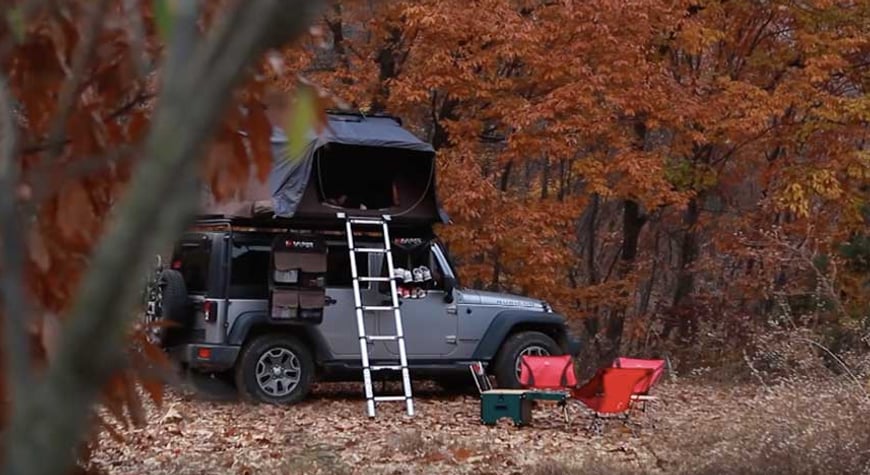
Understanding what a sub-one-minute setup actually looks like in practice helps explain the Skycamp’s appeal. The user releases a latch, the hardshell lifts automatically via gas struts, the interior expands, and the ladder deploys. There is no sorting through poles, no threading fabric through sleeves, no searching for stake bags in the dark. The mattress is already in position. On the breakdown side, the process reverses just as quickly — compress, latch, drive. For people who camp frequently and have spent years managing the friction of traditional tent setup, the difference is significant. It shifts the mental overhead of camping from the logistics of making camp to the experience of being there, which is the part people actually want.
Where Rooftop Tent Design Went From Here
The Skycamp’s commercial success had a visible effect on the rooftop tent market. In the years following the campaign, the number of hardshell rooftop tent manufacturers grew substantially, with competitors entering from both the budget end and the premium end of the market. The category moved from a niche product sold primarily through specialty overlanding retailers to something stocked by mainstream outdoor chains. The design choices iKamper made — hardshell construction, fast solo deployment, modular accessories — became reference points for the category. Soon Park’s frustrating family road trip, and the product development work that followed it, ended up reshaping expectations for what rooftop camping gear could reasonably do.