How Country Names Change the Answer You Expect
Rwanda — Small Country, Outsized Geographic Identity
Rwanda is the smallest and most densely populated country in mainland Africa. Located in East-Central Africa — different sources place it in East Africa or Central Africa depending on regional classification systems — it is a landlocked country surrounded by the Democratic Republic of the Congo, Uganda, Tanzania, and Burundi. Rwanda’s terrain is dominated by hills and mountains, which is the basis for its widely used description as the Land of a Thousand Hills. The country sits at high altitude, and much of its surface consists of ridges, valleys, and volcanic peaks in the northwest. Despite its small size, Rwanda has a population of more than 13 million people. That density makes land use, agriculture, and environmental management consistent national priorities in ways that larger, more sparsely populated countries rarely face.
Kigali and Rwanda’s Deliberate Reinvention
Kigali, Rwanda’s capital, has developed a reputation as one of Africa’s most organized cities. Visitors and journalists consistently note its well-maintained streets, active enforcement of cleanliness rules, and growing business and arts districts. Rwanda has worked deliberately to build its international profile through infrastructure investment and regional diplomacy, positioning Kigali as a conference and business hub for East-Central Africa. This trajectory stands in clear contrast to the devastation of the 1994 genocide, which claimed an estimated 500,000 to 800,000 lives and left the country’s institutions in ruins. The reconstruction process has drawn sustained attention from development economists and policymakers studying how societies rebuild after mass violence. Kigali today functions as a visible symbol of that process, though the social and economic challenges of rebuilding continue to affect daily life.
Gorillas, Tourism, and a Pioneering Plastic Ban
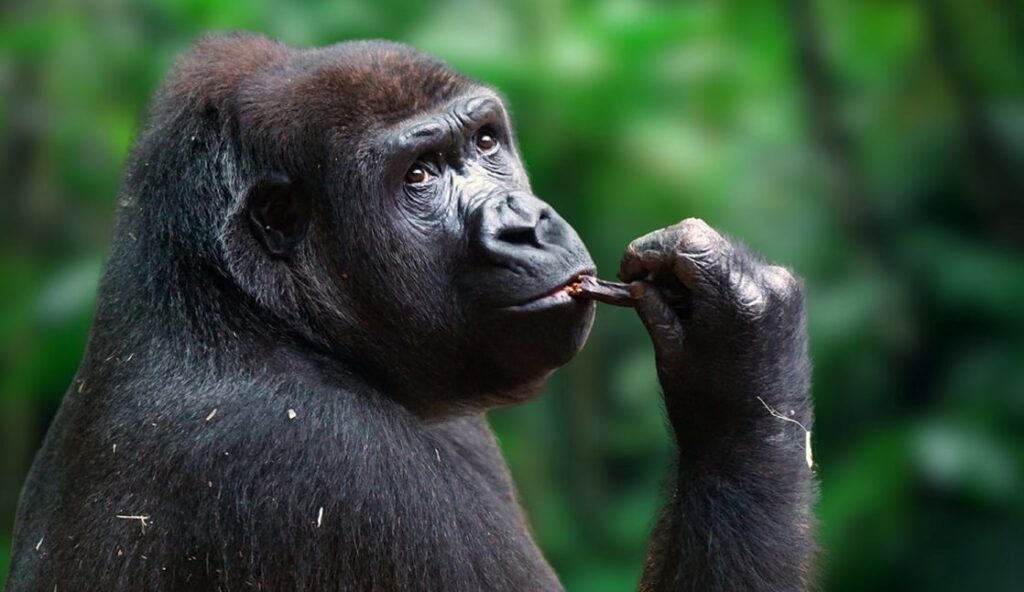
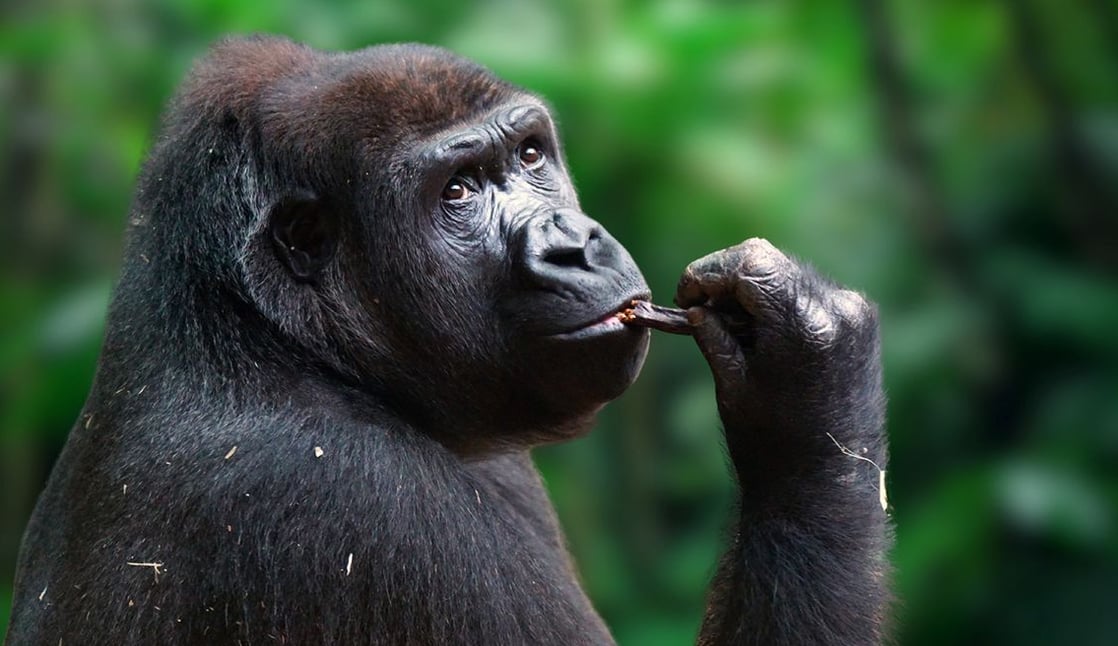
Volcanoes National Park in northern Rwanda is one of the few places in the world where visitors can arrange guided treks to observe endangered mountain gorillas in their natural habitat. The park connects to protected areas in Uganda and the Democratic Republic of the Congo, forming a shared conservation zone for a gorilla population that numbers only in the hundreds. Rwanda has used gorilla tourism as both a conservation tool and an economic driver, with permit fees contributing directly to park management and local community programs. On a separate front, Rwanda became one of the first countries in the world to ban non-biodegradable plastic bags nationwide in 2008 — a policy that predated similar legislation in much of Europe and North America. Both moves reflect a consistent focus on environmental management that has become part of Rwanda’s international identity.
The Republic of the Congo and the Naming Problem
The Republic of the Congo holds a specific and slightly unusual position on the R list: it belongs officially but almost never appears there in casual conversation. Most people refer to it as Congo or Congo-Brazzaville, the second name distinguishing it from the much larger and more populous Democratic Republic of the Congo on the other side of the Congo River. Brazzaville, the capital of the Republic of the Congo, sits directly across the river from Kinshasa, the capital of the Democratic Republic of the Congo — making them one of the closest pairs of national capitals in the world. The Republic of the Congo has a population of around 6 million. Its full official name is what places it on the R list, and whether to include it comes down entirely to a choice about naming convention rather than any geographic fact.