How Country Names Change the Answer You Expect9 min read
Gorillas, Tourism, and a Pioneering Plastic Ban
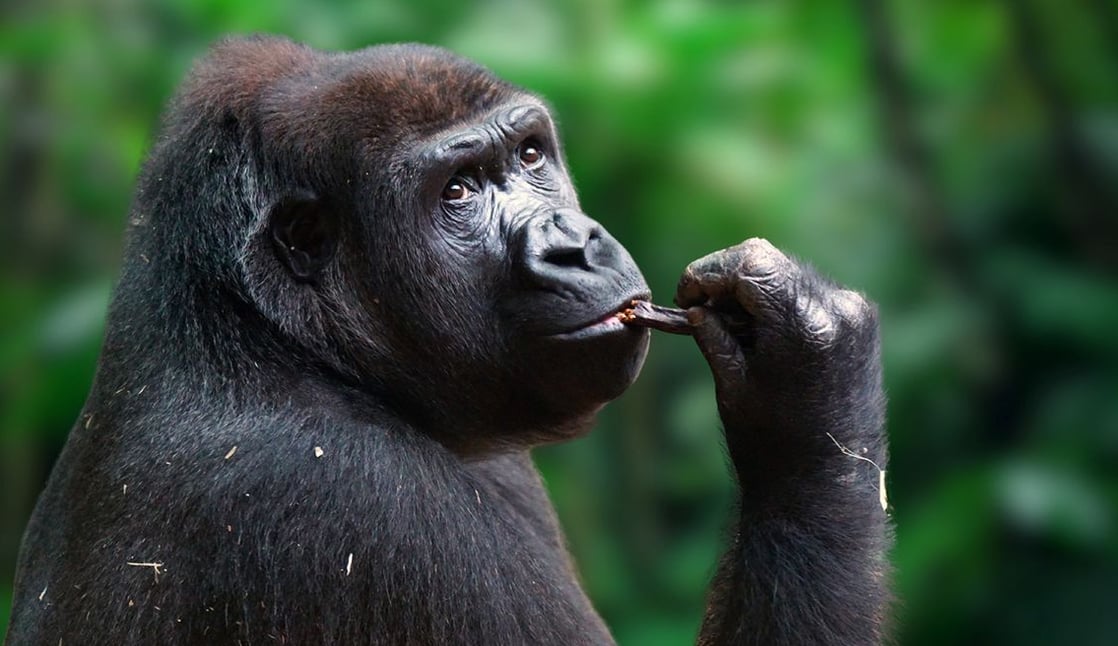
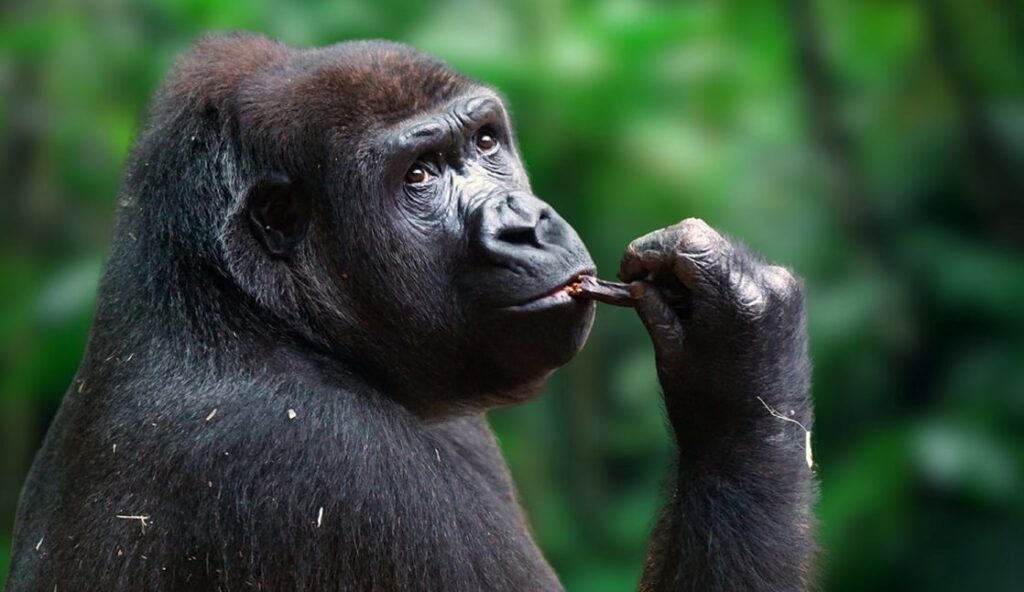
Volcanoes National Park in northern Rwanda is one of the few places in the world where visitors can arrange guided treks to observe endangered mountain gorillas in their natural habitat. The park connects to protected areas in Uganda and the Democratic Republic of the Congo, forming a shared conservation zone for a gorilla population that numbers only in the hundreds. Rwanda has used gorilla tourism as both a conservation tool and an economic driver, with permit fees contributing directly to park management and local community programs. On a separate front, Rwanda became one of the first countries in the world to ban non-biodegradable plastic bags nationwide in 2008 — a policy that predated similar legislation in much of Europe and North America. Both moves reflect a consistent focus on environmental management that has become part of Rwanda’s international identity.
The Republic of the Congo and the Naming Problem
The Republic of the Congo holds a specific and slightly unusual position on the R list: it belongs officially but almost never appears there in casual conversation. Most people refer to it as Congo or Congo-Brazzaville, the second name distinguishing it from the much larger and more populous Democratic Republic of the Congo on the other side of the Congo River. Brazzaville, the capital of the Republic of the Congo, sits directly across the river from Kinshasa, the capital of the Democratic Republic of the Congo — making them one of the closest pairs of national capitals in the world. The Republic of the Congo has a population of around 6 million. Its full official name is what places it on the R list, and whether to include it comes down entirely to a choice about naming convention rather than any geographic fact.