
How Pallet Wood Builds a Cabinet Worth Showing Off
The Project That Starts With Free Materials
Pallet wood gets overlooked constantly. It sits behind warehouses, stacked outside hardware stores, and gets tossed without a second thought. But in the hands of someone who knows how to work with reclaimed lumber, those rough planks become something worth hanging on a wall. This particular project turns pallet wood into a small wall-mounted cabinet with chicken wire doors — a piece that looks handcrafted, costs almost nothing in materials, and solves real storage problems in any room of the house. The appeal is not just the low cost. It is the combination of function and character that mass-produced shelving simply cannot replicate.
Why Chicken Wire Changes the Whole Look
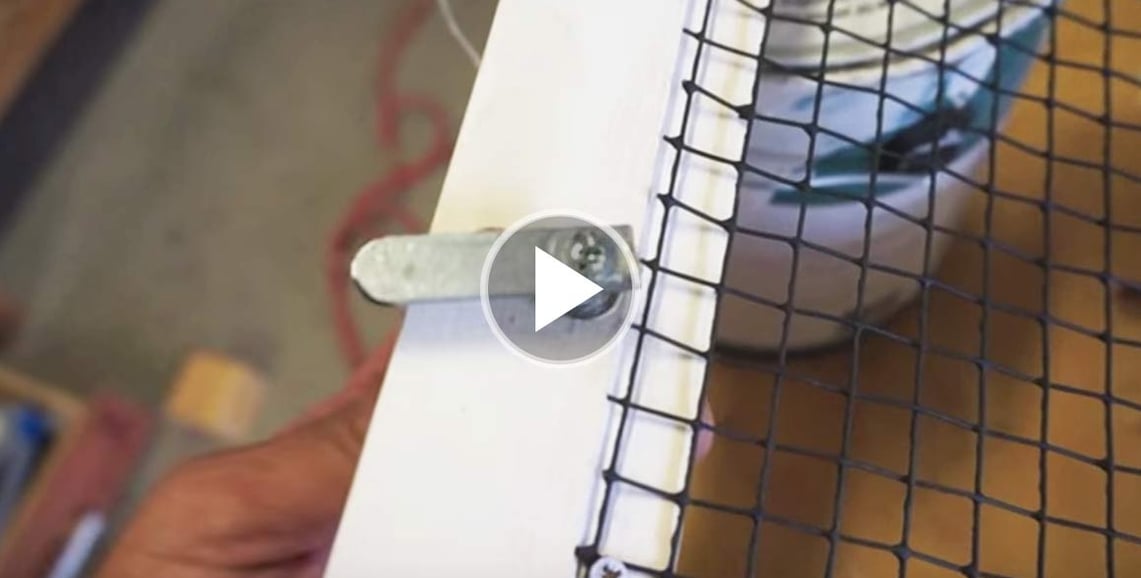
The defining feature of this cabinet is the chicken wire inset on the doors. It sounds like an odd material choice until you see it in context. Chicken wire adds visual texture without adding visual weight. Unlike solid wood or glass, it lets you see what is inside the cabinet while maintaining a sense of enclosure. The grid pattern reads as deliberately rustic — a callback to farmhouse design and old country kitchens that has proven remarkably durable as an interior trend. The wire also catches light differently depending on the angle, giving the piece a handmade quality that feels intentional rather than accidental. It is one of those details that looks more expensive than it is.
Pallet Wood Has Qualities That Work in Its Favor
Raw pallet lumber is not the same as finished dimensional lumber from a home center. It is rougher, more varied in color, and often has weathering marks, nail holes, and grain irregularities that finished wood lacks. For most furniture projects, those qualities are problems. For a rustic wall cabinet, they are exactly what makes the piece interesting. The imperfections give the finished cabinet visual depth that sanding and staining alone cannot fake. The wood has already been stressed by real use — stacked loads, weather exposure, handling — and that history shows in the surface in a way that genuinely enhances the rustic country aesthetic this project is designed to achieve.
The Essential Oils Storage Problem This Solves
Small bottles have a way of spreading across a house. Essential oils, in particular, tend to accumulate in bathrooms, bedside tables, kitchen counters, and junk drawers — wherever they happened to land after the last use. Consolidating them into a single wall-mounted cabinet eliminates the hunt. A small cabinet with shallow shelves keeps every bottle visible and within reach without taking up counter space. The same logic applies to spice collections in a kitchen, small toiletries in a bathroom, or any category of small-bottle items that tends to scatter. The cabinet’s compact footprint means it fits in spaces where larger storage solutions simply will not work.