ANIMALSSeven Animals Whose Survival Tactics Are Stranger Than Science Fiction4 min read
The Frog That Comes Back From the Dead
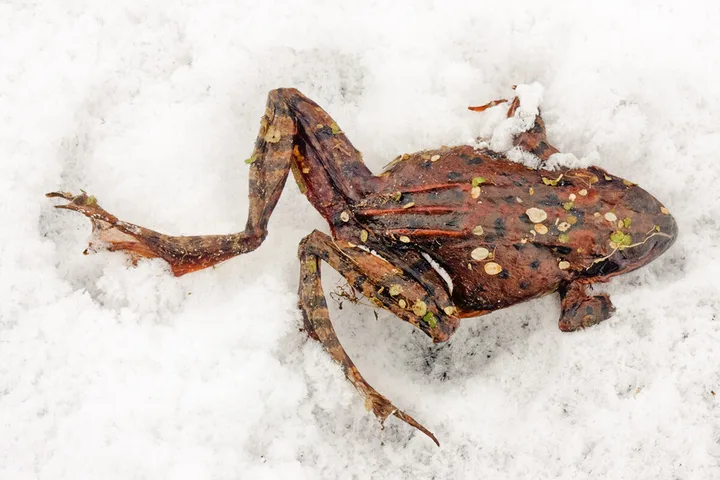
Wood frogs don’t hibernate. They freeze. Completely, utterly, solid-to-the-touch frozen — heart stopped, brain offline, eyes turned white as the lenses ice over. Up to 70% of their body water converts to extracellular ice. By any reasonable definition, they’re dead.
The trick is glucose. Before temperatures drop, wood frogs flood their tissues with massive amounts of it, acting as biological antifreeze that stops ice crystals from rupturing cells. Native to the forests of Alaska and Canada, these frogs can stay locked in this suspended state for eight months. Then spring arrives, the ice melts, and they just hop away.
The Sea Cucumber’s Scorched-Earth Defense
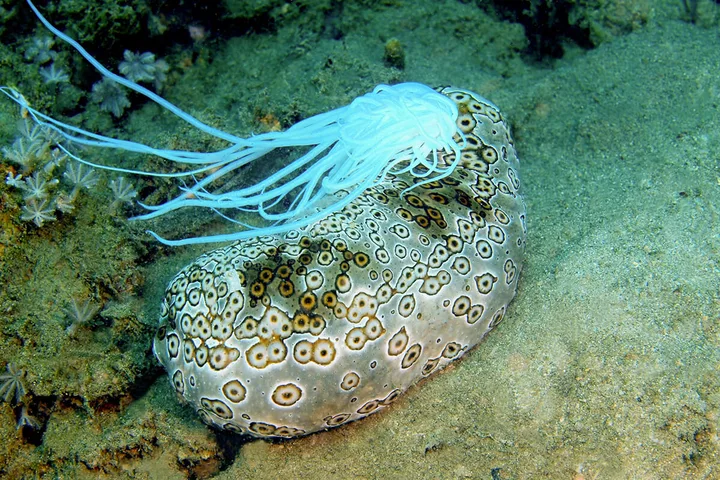
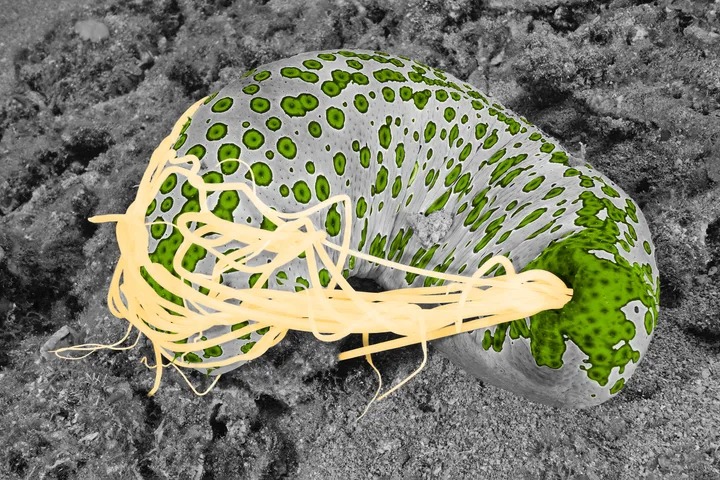
When a sea cucumber feels threatened, it doesn’t run. It doesn’t fight. It turns itself inside out. Using powerful muscle contractions, it blasts its own internal organs out through its anus and directly into the path of whatever’s coming for it.
The expelled organs are sticky and disorienting enough to blind or entangle a predator, buying time to escape. This sounds like a catastrophic trade-off. It isn’t. Sea cucumbers regrow everything within a few weeks, good as new.