SCIENCEThe Real Recipe Behind Earth-Like Planets7 min read
The Solar System Is Not the Exception
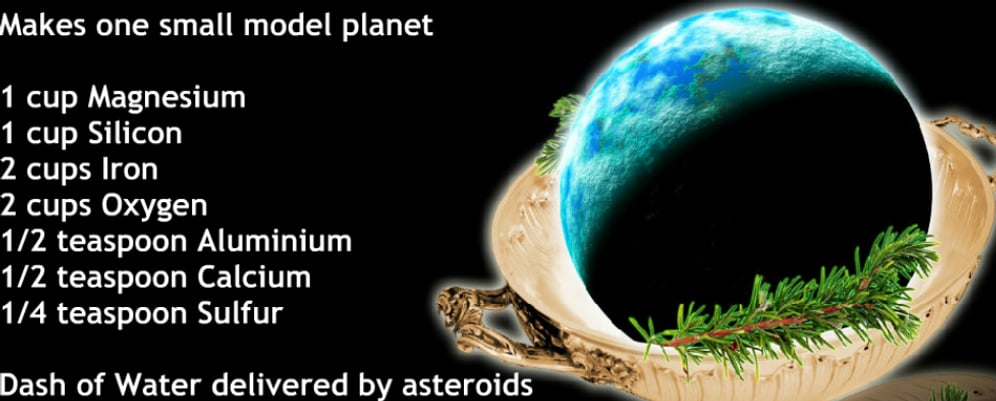
One of the quieter conclusions buried in this research is worth stating directly: our Solar System is not as unusual as scientists once assumed. For much of the history of astronomy, the implicit assumption was that Earth and its neighbors represented a fortunate configuration — the right mix of planet sizes, compositions, and orbital arrangements that happened to allow life to develop. The new findings push back against that assumption. Rocky planets built from iron and silicate, orbiting at distances compatible with liquid water, appear to be a common outcome of planetary formation. The Solar System may be ordinary in the best possible sense — not an exception, but a representative example of what the universe routinely produces.
What Comes Next for Rocky Planet Research
The research was accepted for publication in The Astrophysical Journal, and it sets a clear agenda for follow-up work. The sample of ten planets is enough to establish a pattern, but not enough to rule out outliers or edge cases. Upcoming space telescopes and continued use of ground-based instruments like HARPS-North will extend the catalog of precisely measured exoplanets. Each new data point either reinforces the recipe model or reveals where it breaks down. Either outcome is scientifically valuable. The team’s framework also gives future researchers a structured hypothesis to test: if the composition of rocky planets is as predictable as this study suggests, then the next generation of exoplanet surveys should find the same pattern holding across different stellar environments, ages, and galactic regions.