HISTORYThe Real Story Behind History’s Deadliest Storm8 min read
Wind Speeds That Defy Easy Comparison
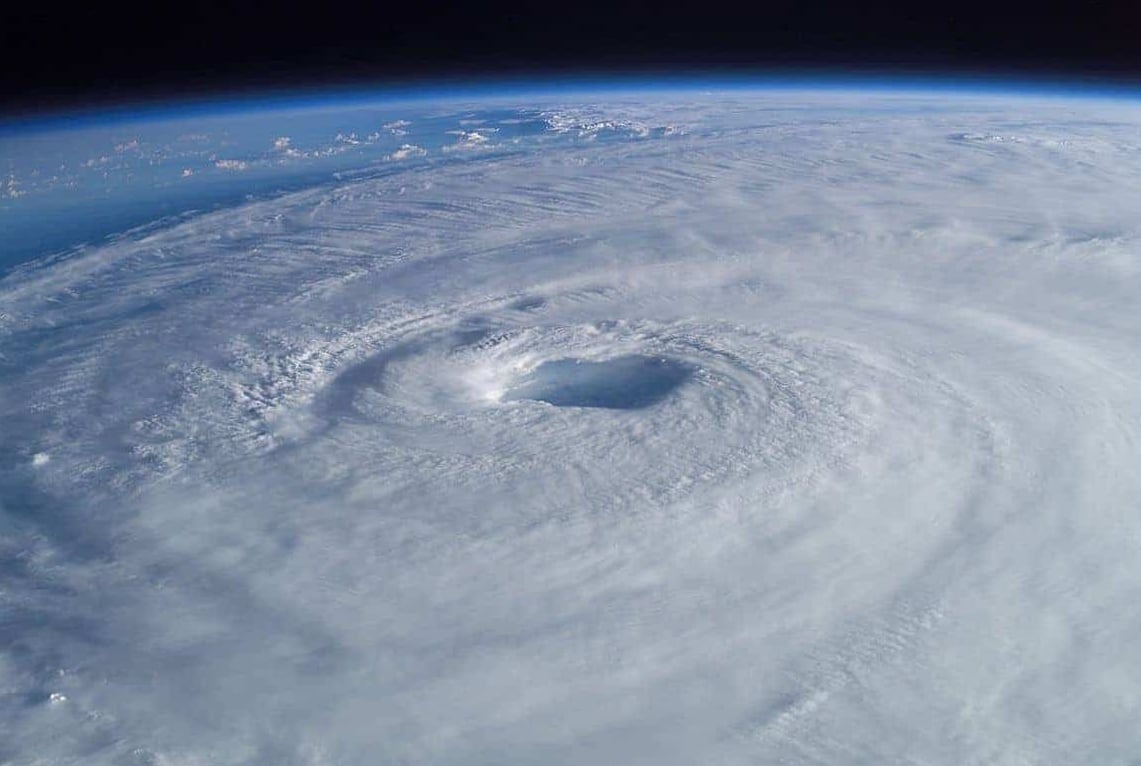
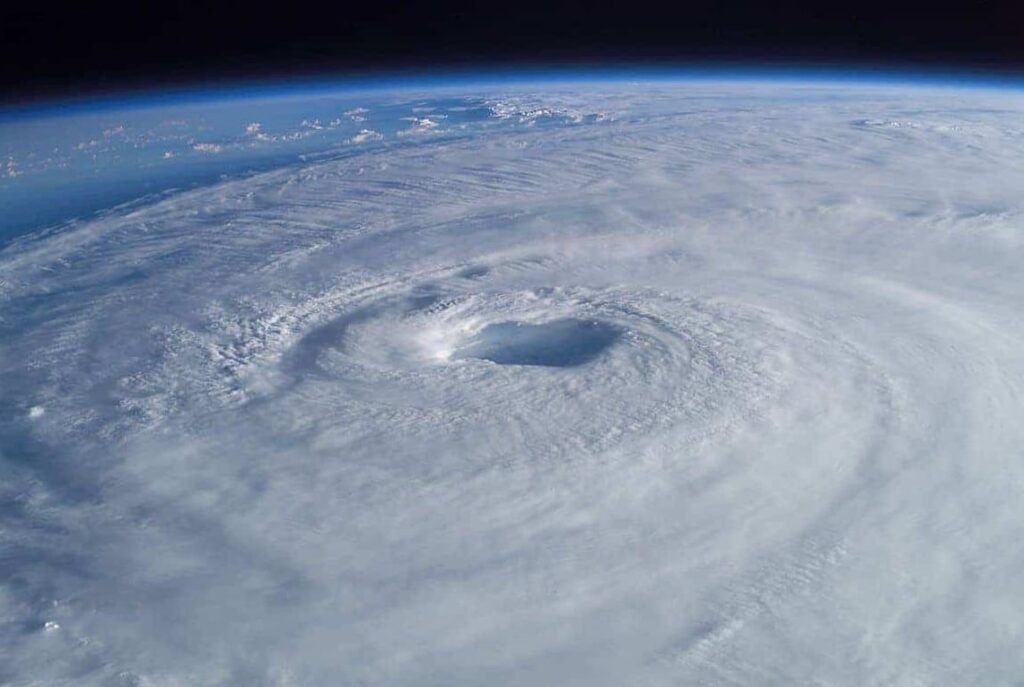
Modern meteorologists who have studied contemporary accounts believe the 1780 hurricane carried sustained winds exceeding 200 miles per hour — a figure that places it in a category virtually unseen in the Atlantic basin since. For context, Category 5 hurricanes today are defined by winds of 157 mph or higher. Reports from St. Lucia described stone buildings — among the most solid structures on the island — being demolished completely. Admiral George Rodney, commanding the British fleet, wrote that even the strongest fortifications were reduced to rubble. Trees were not merely uprooted but stripped of bark entirely. This kind of destruction is consistent with wind speeds that current atmospheric science would consider near the physical limits for a tropical storm. Without Doppler radar or pressure instruments, exact measurements are impossible, but the physical evidence left behind tells its own story clearly enough.
The British Navy’s Worst Night
St. Lucia was a key British naval base in 1780, and when the hurricane struck, Admiral George Rodney had twelve warships moored in the harbor. The harbor’s geography provided far less protection than commanders had hoped. When the storm hit, eight British warships went to the bottom, taking hundreds of sailors with them. Rodney survived and left one of the most detailed eyewitness accounts of the storm’s fury. His dispatches to the British Admiralty described winds so powerful that no anchor could hold, seas so violent that ships were driven not just onto rocks but clear inland, and conditions so total that communication between vessels was impossible. The loss of eight warships in a single night represented a significant blow to British naval power in the theater. Replacing warships took months, skilled sailors took years to train, and in the brutal calculus of colonial warfare, those losses had lasting strategic consequences far beyond what any single naval battle might have produced.