
The TikTok Doctor Warning Millions About Kissing the Dead
The Video That Split the Internet
A Moldovan doctor named Viktor Ivanovik posted a TikTok. Simple enough. Except that video — aimed at his 300,000-plus followers — landed like a grenade in one of the most emotionally raw corners of human experience: the final goodbye.
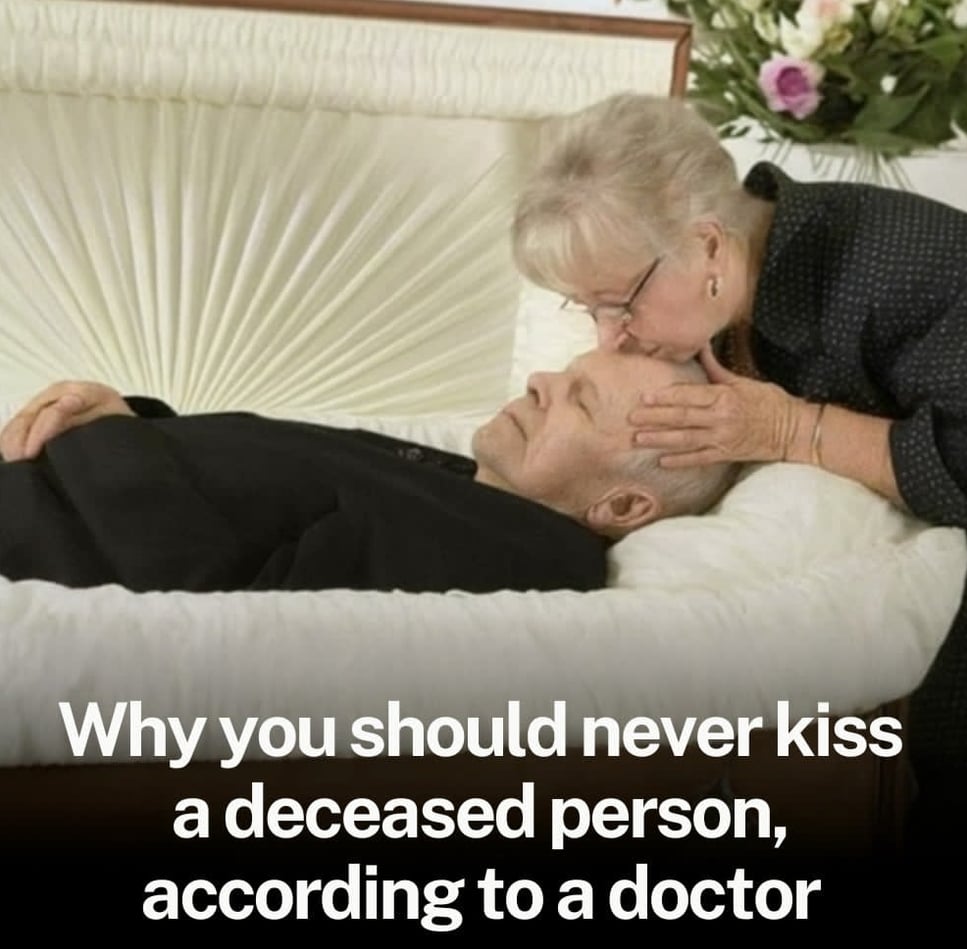
His message was blunt. Kissing a deceased loved one carries real health risks. Certain bacteria linger in the body after death. If the person died from an infectious illness, close contact — even something as gentle as a kiss on the forehead — could, in rare cases, pose a danger to the living.
The Science Behind the Warning
The body doesn’t shut down cleanly. After death, microbes that were kept in check by a living immune system begin to spread. In cases involving infectious disease, those pathogens can persist for a period that varies by illness, temperature, and how quickly the body is prepared.
Funeral professionals are trained around exactly this reality. Embalming, refrigeration, and personal protective equipment aren’t just ceremony — they’re a barrier. The problem is that families often have contact with the deceased before any of that preparation happens, in hospital rooms, at home, or during the raw first hours of loss.
Where Medicine Meets Grief
The pushback was immediate and fierce. Commenters accused Ivanovik of stripping dignity from death, of reducing an act of love to a contamination risk. The anger wasn’t irrational. Across cultures and religions, touching the dead is sacred — a thread connecting the living to whoever just left. A kiss on a cold cheek is one of the only ways to say goodbye to a body that can no longer hear words.
A final gesture of love shouldn’t come with a warning label — and yet, sometimes, it has to.
During the COVID-19 pandemic, health authorities across dozens of countries did exactly that. Families were told not to touch their dead. Funerals were held over video calls. The grief that followed wasn’t just about loss — it was about the rituals that never happened, the closures that never came.
Risk Is Not One-Size-Fits-All
Medical experts are careful to stress context. A person who died of cardiac arrest is not the same as someone who died of a highly infectious respiratory illness. The environment matters. The timeline matters. Whether the body has been professionally prepared matters enormously.
In most ordinary circumstances, a brief, careful contact carries minimal documented risk. The warning isn’t a blanket prohibition. It’s a nudge toward awareness — particularly relevant when the cause of death is unclear, infectious, or when vulnerable family members are involved.