HISTORYWhat Actually Makes a War a World War7 min read
The Aftermath Matters as Much as the Fighting
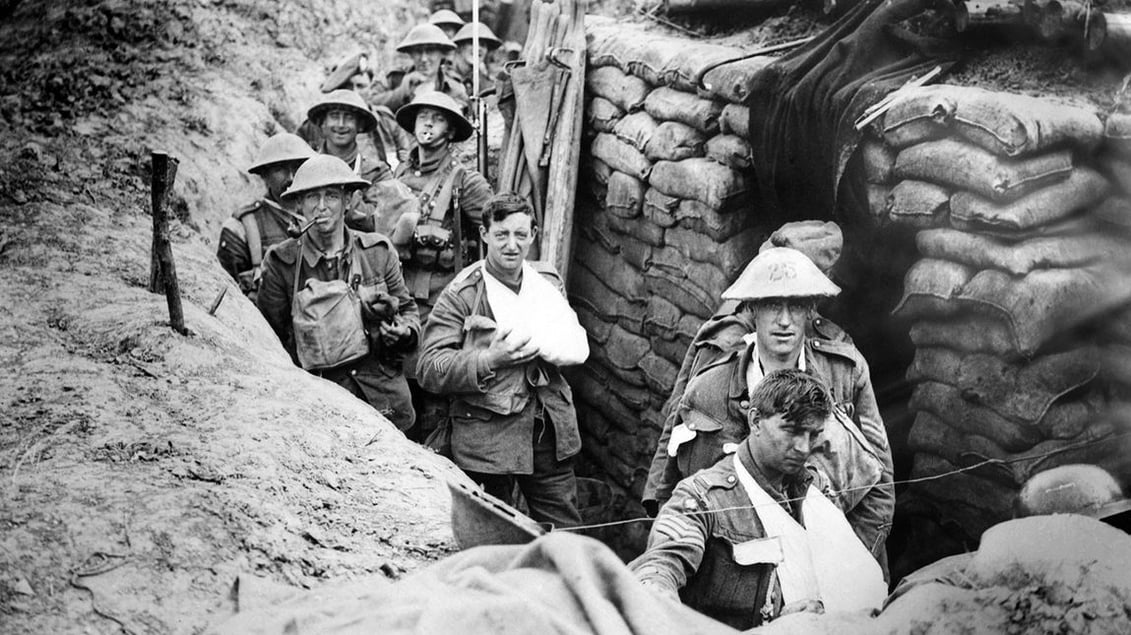
One underappreciated criterion is the degree to which a conflict reshapes the international order after it ends. Both world wars did not simply end — they restructured the entire system of global politics. World War I dissolved empires that had existed for centuries and created a new map of nation-states. The Treaty of Versailles, whatever its flaws, attempted to build a new international legal framework. World War II went further, producing the United Nations, the Bretton Woods financial system, the Universal Declaration of Human Rights, and the division of Europe into Western and Soviet spheres. A conflict that ends without fundamentally altering the structure of international relations — even if it is large — tends not to earn the world war designation in retrospect.
Why the Term Still Carries Enormous Weight
Today, the phrase “World War III” functions as shorthand for civilizational catastrophe. Discussions about potential conflicts involving nuclear-armed powers — the United States, Russia, China — routinely invoke the term to signal a threshold that must not be crossed. This reflects how deeply the two 20th-century world wars are embedded in collective memory as events representing the outer limits of what warfare can do to human society. The term is not used casually by historians or policymakers precisely because it carries that weight. Understanding what actually qualified past conflicts as world wars — the combination of major power confrontation, continental scope, total mobilization, and system-reshaping consequences — clarifies why the label is treated as a line no one wants to cross again.