
Why Extreme Weight Loss Is Often a Body Crying for Help
The Body Sends the First Warning
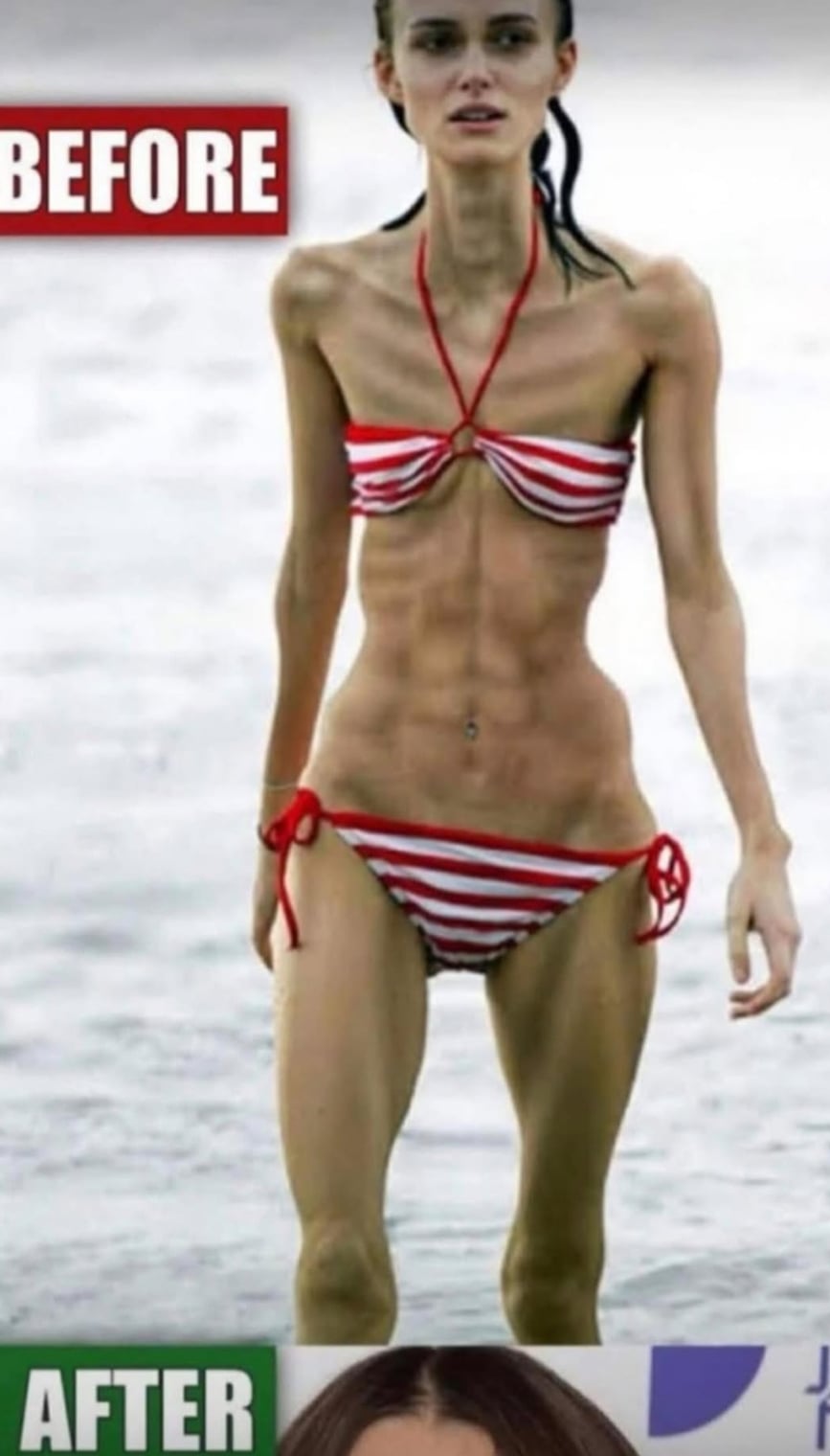
A body losing weight too fast isn’t transforming — it’s unraveling. What looks like discipline from the outside can be a system under siege from within. The heart strains. Hormones go haywire. Muscle dissolves. By the time those changes are visible in the mirror, the damage has usually been building for months.
Eating disorders like anorexia nervosa don’t announce themselves with a dramatic moment. They creep in through meal skipping, compulsive calorie counting, and a terror of the scale tipping even slightly upward. The clinical picture is grim: severe food restriction, obsessive fear of gaining weight, and a body image so distorted that patients often can’t see what everyone around them sees.
What Extreme Thinness Does to the Body
Strip away enough calories and the body starts cannibalizing itself. Muscle mass goes first. The legs that used to climb stairs now tremble on flat ground. Strength erodes in ways that aren’t obvious until something ordinary — lifting groceries, standing from a chair — suddenly becomes difficult.
Hormones are next. In women, menstrual cycles become irregular or stop entirely. In both sexes, the metabolic fallout can take years to reverse. Cardiovascular function deteriorates. Digestive systems slow to a crawl. The body, starved of what it needs, starts rationing resources like a city under siege.
The physical damage is measurable. Blood tests show it. Bone density scans show it. The hollowed-out look of someone in acute malnutrition is not a wellness aesthetic — it’s a clinical emergency wearing a human face.
The Psychological Weight of It
The mind suffers just as hard. Anxiety and depression cluster around eating disorders at alarming rates. Social withdrawal follows. Meals with friends become minefields. Family dinners become battles. Recovery isn’t just physical. It requires dismantling thought patterns that feel, to the person inside them, completely rational.
That’s what makes these conditions so difficult to treat. The disorder lies fluently. It tells a person they’re fine, that everyone else is overreacting, that just a little more control is what’s needed. Professional intervention from therapists, dietitians, and physicians working as a team cuts through that noise in ways that willpower alone never can.
The Standards Nobody Can Actually Meet
Scroll long enough and the distortion sets in. Filtered skin. Impossible proportions. Bodies sculpted by professional lighting and software that irons out every imperfection. The images look like people, but they aren’t quite real, and yet they become the benchmark against which millions of teenagers measure themselves every single morning.
Research is unambiguous: heavy social media use correlates with higher rates of body dissatisfaction, especially in adolescent girls. The comparison trap is relentless. Someone else’s curated highlight reel becomes the standard for your own mirror, and the gap between the two feels like personal failure.
What gets lost in the scroll is context. Behind every “transformation” photo is a lighting setup, a pose chosen to exaggerate contrast, and very often an eating pattern that a nutritionist would flag as dangerous.