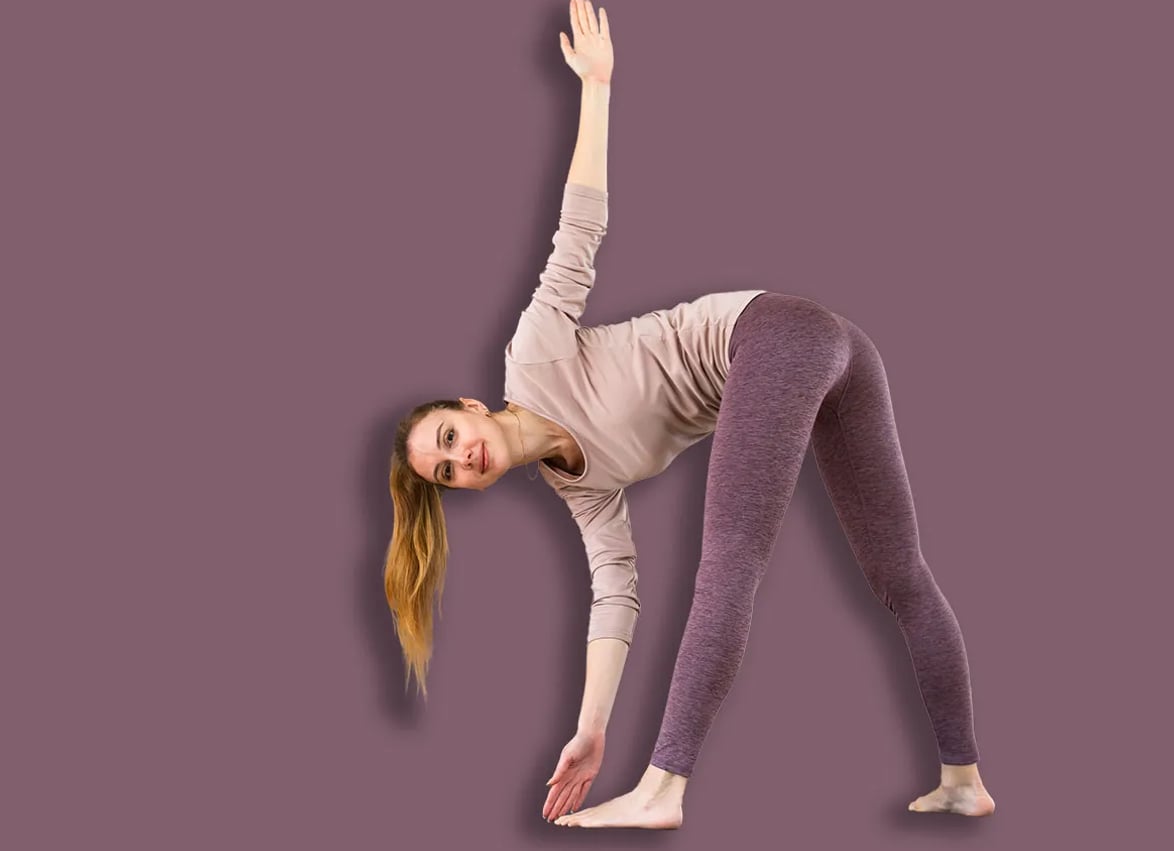
Why Squats Alone Won’t Restore Glute Strength7 min read
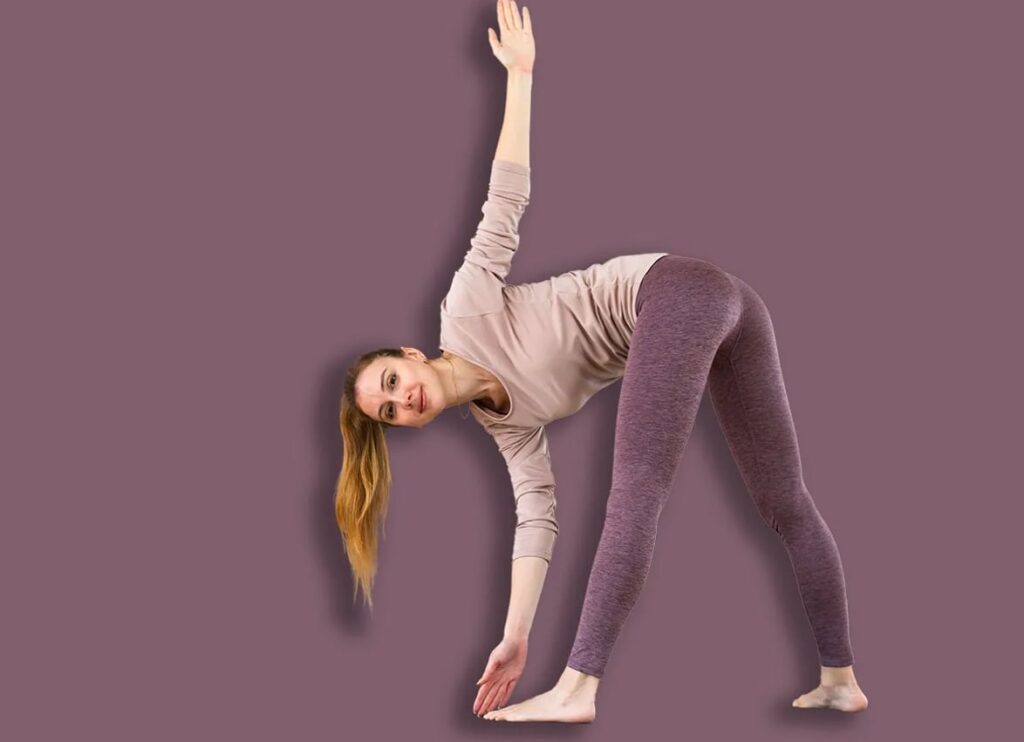
How Standing Exercises Change the Equation
Standing glute exercises solve the squat problem by isolating the target muscles rather than relying on compound coordination. Instead of moving the whole body through a range of motion that involves multiple joints simultaneously, standing exercises isolate the hip joint specifically. This isolation makes it far easier to feel the glutes working — and feeling the muscle contract is important for rebuilding strength. Exercise science refers to this as the mind-muscle connection: deliberate focus on contracting a specific muscle during movement leads to greater activation of that muscle. For people who have lost strength in their glutes and may not have been effectively activating them for years, this reconnection is an essential first step. Standing glute exercises also place less compressive force on the knee joint, which makes them more accessible for people who experience discomfort during deeper bending movements like squats or lunges.
The Functional Advantage of Training in an Upright Position
One underappreciated benefit of standing glute work is its direct carryover to daily life. The body strengthens in the positions it trains. When glute exercises happen upright, the muscles develop in the same postural context they operate in during walking, balancing, and stair climbing. Floor-based exercises like bridges and clamshells certainly have value, but they train the glutes in a lying-down position that does not directly mimic the demands of standing movement. Standing exercises close this gap. The glutes learn to fire while the body is upright and the core is engaged to maintain balance. This means that improvements made during training transfer more directly to real-world activities. People who focus on standing glute work often notice the difference in how their hips feel during a long walk or how much easier it becomes to stand up from a low chair or couch after weeks of consistent practice.