HOMEYour House Is Hiding Centuries of Clever Solutions in Plain Sight4 min read
The Strip That Absorbs the Blows
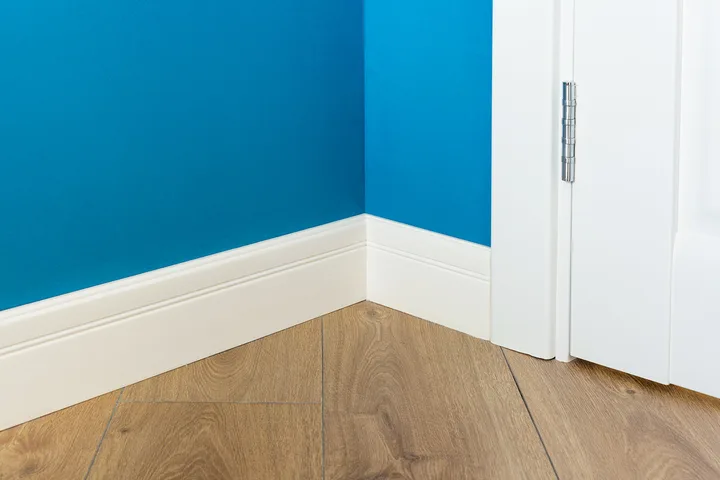
Baseboards are easy to overlook. They sit at ankle height, blending into whatever color scheme a room has, and most people register them only when painting or moving furniture. But they exist because walls and floors are built separately and never quite meet perfectly.
The gap where floor meets wall needs to go somewhere. Baseboards hide it. They give rooms a finished look without requiring surgical precision in construction. That’s part of the function. The other part is impact resistance.
Before vacuum cleaners, floors were swept with brooms that regularly slammed into the lower sections of plaster walls. Baseboards took the hits. Today they absorb furniture scrapes, shoe scuffs, and errant vacuum heads. Plain or ornate, simple or elaborate — the function is the same. The wall behind it thanks the baseboard every single day.
Why the Knob Was Round
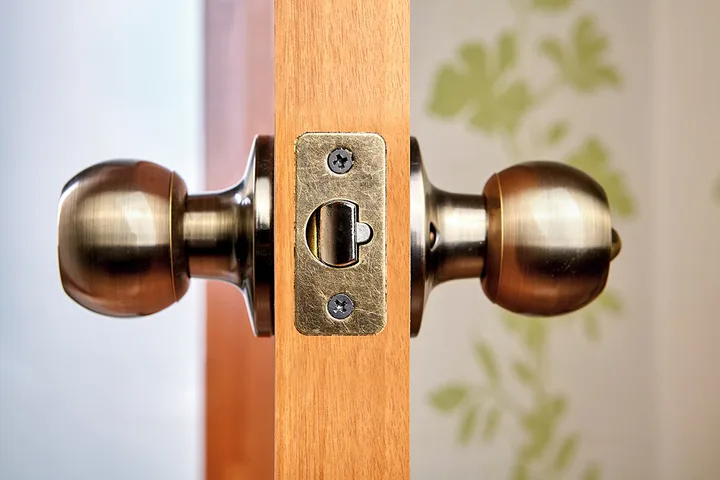
Lever handles are everywhere now. Easier to grip, accessible for people with limited hand strength, mandated in many modern building codes. But for most of the past two centuries, the round knob ruled. It wasn’t arbitrary.
Early locking mechanisms were built around rotation — a cylinder that turned to retract a latch. A round knob is the most mechanically elegant interface for that motion. You can grip it from any angle. It fits naturally in the palm. And the metalworking required to produce it was simpler than manufacturing precision lever hardware at scale.
Round knobs also have an accidental security feature: they’re difficult for animals and very young children to operate, in ways that lever handles aren’t. Less of a deliberate design choice, more of a happy coincidence that nobody complains about.