HISTORYCinderella Nearly Bankrupted Walt Disney and Other Surprising Truths About the Fairy Tale3 min read
The Glass Slipper Was a Political Joke
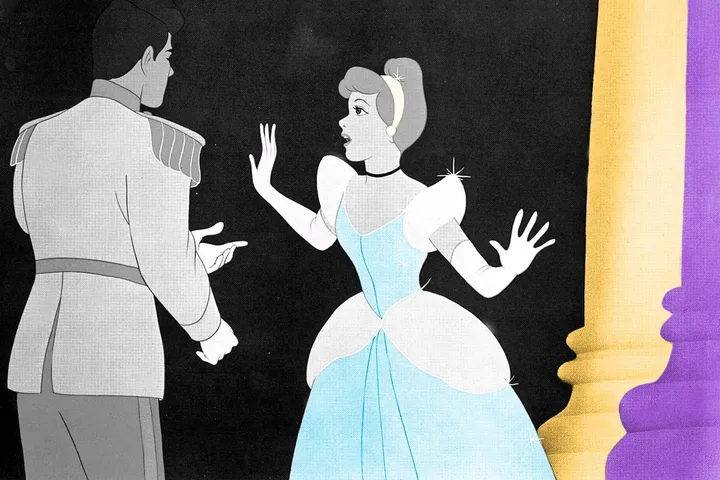
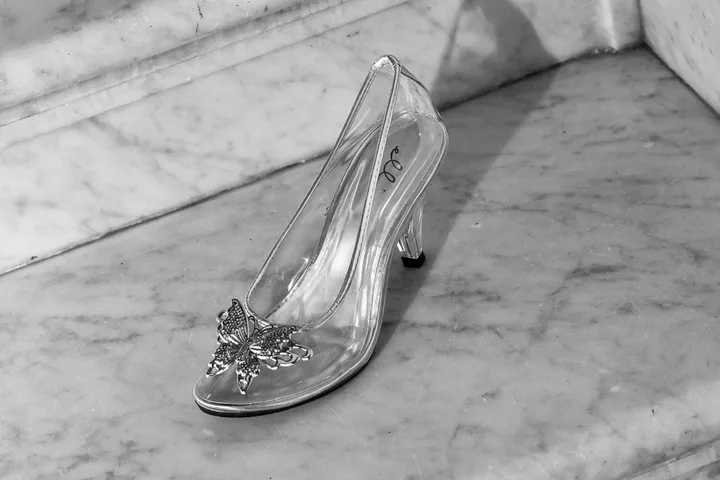
Perrault’s choice of glass wasn’t random whimsy. Historian Genevieve Warwick at the University of Edinburgh argues the slipper was satire aimed directly at Louis XIV, who ruled France from 1642 to 1715. The king was obsessed with extravagant clothing, especially shoes, and Perrault knew him well. As a secretary overseeing construction at Versailles and the Louvre, Perrault was embedded in the court’s love affair with spectacle.
A shoe made of glass is beautiful and completely useless. You cannot dance in it. That’s the joke. Perrault also ran France’s royal glassworks, freeing the country from dependence on Venetian glassmakers. Warwick reads Cinderella’s transformation as a double meaning: a fairy tale about a girl finding her place, and a nationalist statement about France’s newfound ability to produce its own luxury goods without Venice’s help.
Disney’s First Try Came in 1922
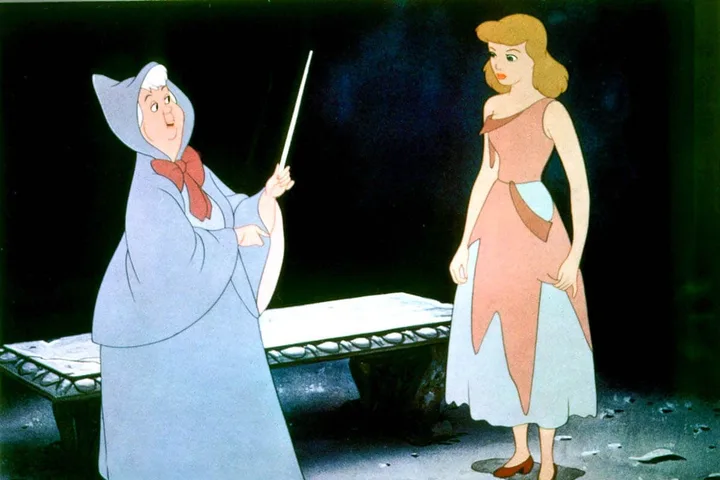
Walt Disney’s 1950 animated feature wasn’t his first attempt at the story. Nearly three decades earlier, working at Laugh-O-Gram, his first Kansas City studio, the young animator produced a silent seven-minute Cinderella. In that version, her only companion was a cat who helped with the housework. The fairy godmother skipped the pumpkin altogether and sent Cinderella off in a car, dressed in flapper clothes.
Disney made other fairy tale shorts that same year, including “Little Red Riding Hood” and “Beauty and the Beast.” The studio folded before he could do much with them. He’d eventually return to all three.