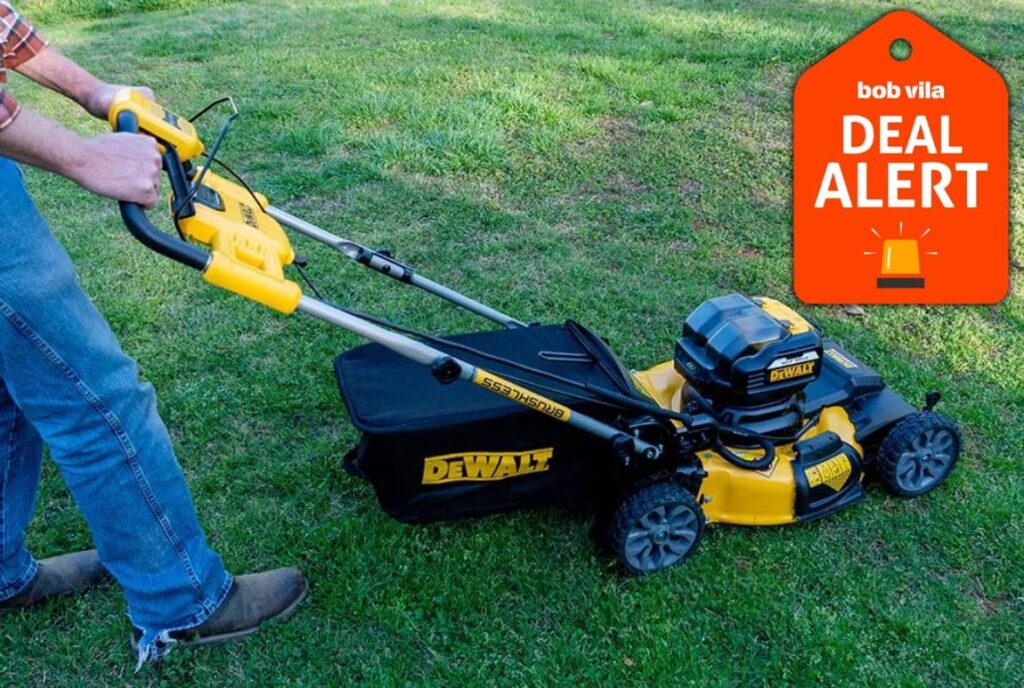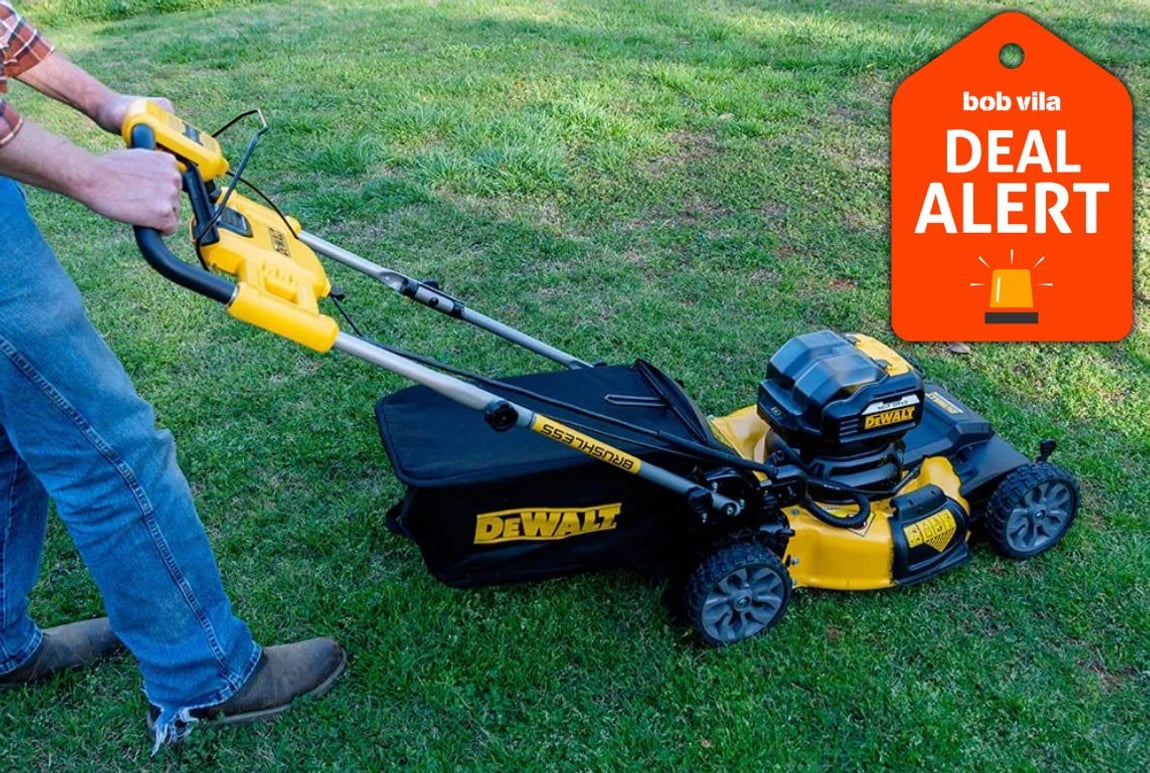
DeWalt's 21-Inch Mower Just Dropped $150 at Ace

DeWalt’s 21-Inch Mower Just Dropped $150 at Ace

The Shift Away From Gas Has Been Years in the Making

Battery-powered lawn equipment has improved significantly over the past decade, and the performance gap that once made gas the obvious choice has largely closed for residential use. Early cordless mowers struggled with runtime and power delivery — they could handle light trimming but faltered in thick or wet grass. Modern platforms have addressed most of those limitations through better battery chemistry, improved motor efficiency, and smarter power management systems. A mower like this DeWalt can handle standard lawn conditions — including grass that’s gotten a bit long between cuts — without bogging down noticeably. The trade-off is runtime rather than power: battery mowers have a fixed window of operation before they need a recharge, whereas a gas mower can run as long as there’s fuel in the tank. For most suburban lawns, the available runtime is sufficient to finish the job in a single charge.

The Noise and Maintenance Argument

Beyond performance, one of the most consistent reasons people switch to battery mowers is the reduction in noise and upkeep. Gas lawn mowers require a seasonal maintenance routine: fresh fuel, oil changes, air filter replacements, spark plug checks, and carburetor cleaning if the machine has been sitting over winter. It’s not complicated, but it adds up in time and cost, and skipping it leads to machines that won’t start reliably in spring. Battery mowers have no carburetor to gum up, no oil to change, and no spark plugs to gap. Maintenance is limited to blade sharpening and keeping the deck clean — tasks that apply to any mower regardless of power source. The noise reduction is also meaningful. Battery mowers run at a fraction of the decibel level of a gas engine, which matters for early-morning mowing, noise-sensitive neighborhoods, and anyone who simply finds the racket of a gas engine unpleasant.

Who Gets the Most Out of the DeWalt Ecosystem

DeWalt’s 20V MAX platform spans an extensive range of tools — drills, circular saws, jigsaws, reciprocating saws, leaf blowers, string trimmers, and more. For homeowners who have built up a collection of DeWalt tools over time, adding this mower means the batteries they already own can power the new machine, and the batteries that come with the mower kit can be used with existing tools. That kind of cross-compatibility has genuine practical value. It reduces the number of separate battery platforms a homeowner needs to maintain, simplifies charging logistics, and means spare batteries are more likely to be on hand when needed. For someone starting from scratch with no DeWalt tools, the kit format still makes sense as a standalone purchase — the included batteries are a usable starting point, and the 20V MAX ecosystem is large enough to grow into over time.

Spring Clearance Timing and What It Signals

Ace Hardware’s spring sale isn’t a random discount — it reflects a predictable retail pattern. Hardware and home improvement stores typically begin discounting lawn equipment in spring to drive early-season sales before the peak mowing months arrive. Clearance pricing on specific models often indicates that retailers are managing inventory to make room for updated or incoming stock. That doesn’t mean the discounted model is outdated or inferior; it means the store has a supply management goal and is using price to move units. For buyers, the implication is that deals like this are time-limited and inventory-constrained. Once the spring sale window closes or the allocated units sell through, the price returns to normal. The $150 reduction on this kit is meaningful — it’s not a minor adjustment but a discount that shifts the value proposition enough to make the decision easier.