HISTORYFive Things Even the Most Powerful Companies Cannot Trademark5 min read
The Symbols That Belong to Everyone
When you spot the Nike Swoosh on a sneaker or recognize a Tiffany blue box from across the room, you’re watching trademark law do exactly what it’s designed to do — telling you, instantly, who made the thing. A trademark can be a name, a logo, a slogan, a color, a shape, sometimes even a scent. Anything that signals source. But the system has hard limits, and those limits exist for a reason: trademarks prevent consumer confusion, not competition.
In the weeks after September 11, 2001, applicants flooded the U.S. Patent and Trademark Office with requests to trademark “9/11” and related phrases for merchandise. Every one was rejected. The USPTO’s position was blunt: those words describe a historic event, not a commercial source. National symbols, patriotic slogans, civil rights references — the same fate awaits them all.
There’s a narrow exception. A historic phrase or image can earn protection when it becomes inseparably linked to one specific organization. The National September 11 Memorial trademarked its own stylized logo, with the “11” rendered as two vertical bars evoking the Twin Towers, to protect its official identity. That’s a very different thing from claiming a national tragedy as a product line.
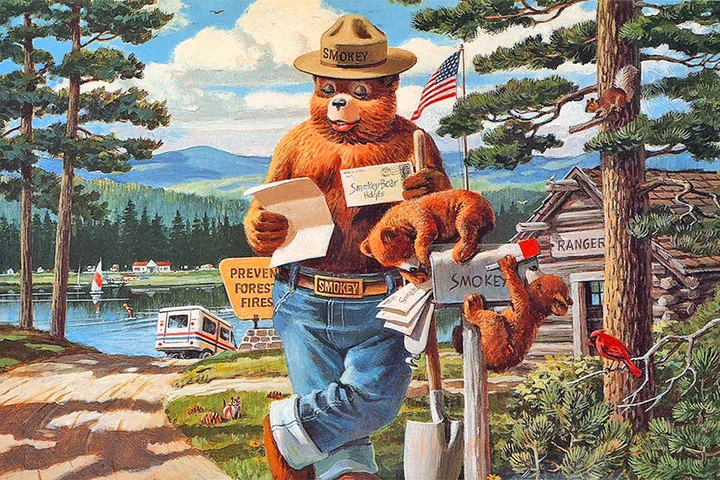
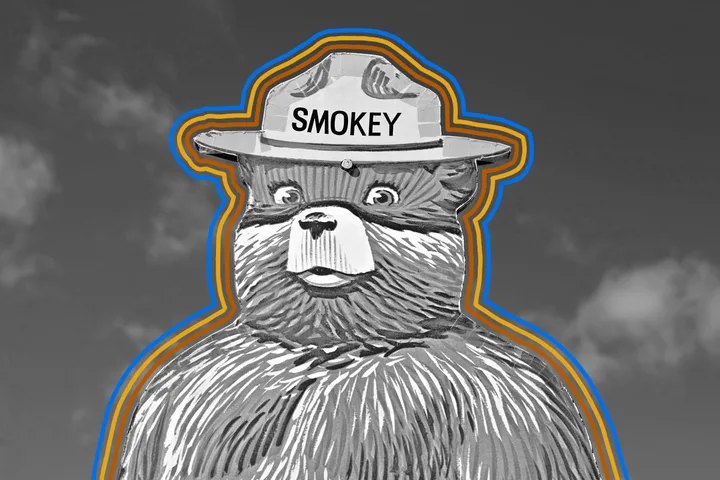
Smokey Bear occupies similar territory. The wildfire prevention mascot started life as a U.S. Forest Service public service character in 1944. Congress later stepped in and granted the federal government exclusive rights to his name, image, and slogan — “Only You Can Prevent Forest Fires” — specifically to block commercial exploitation. The public can still reference Smokey freely. You just can’t print him on a T-shirt and sell it at a markup.
A Famous Name Is Not Yours to Steal
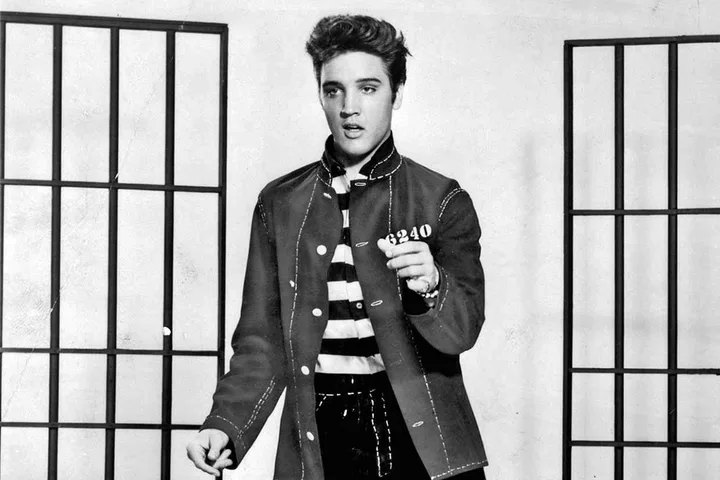
Personal names can function as trademarks, but the bar is high and the person being named usually has to say yes. Elvis Presley died in 1977 and left behind one of the most commercially potent names in American culture. His estate spent years consolidating control through Elvis Presley Enterprises, which registered trademarks covering his name, signature, and likeness across dozens of product categories. Outsiders who tried to sneak “Elvis” onto unrelated merchandise found themselves rejected or caught in legal challenges they couldn’t win.
Federal law is straightforward on living people: written consent is required before their name can be registered as a mark. After death, the estate or heirs typically control the name through a combination of trademark rights and right-of-publicity law, which governs the commercial use of a person’s identity even after they’re gone. Courts have shown little sympathy to strangers claiming famous names. The logic is airtight: a famous name isn’t just a word. It’s a person’s entire legacy, compressed into a few syllables.