HISTORYFive Things Even the Most Powerful Companies Cannot Trademark5 min read

A Place on the Map Is Not a Brand
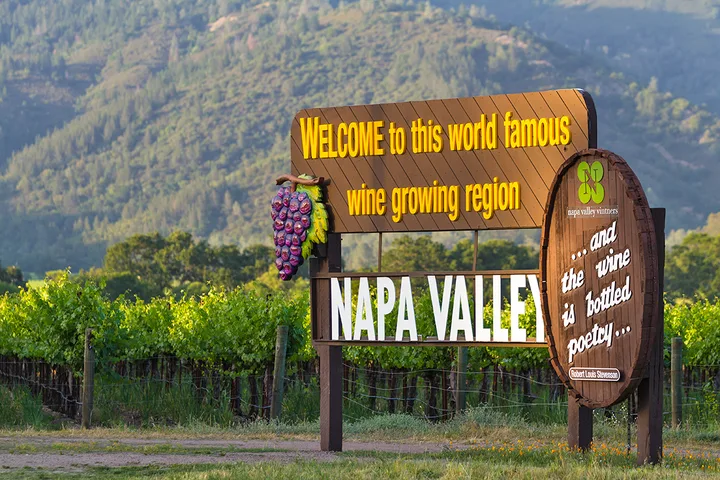
Here’s a rule that kills a lot of business plans: you generally cannot trademark a real place name to describe products that actually come from there. The Lanham Act bars claims that are primarily geographically descriptive. A clothing company can’t lock down “Brooklyn” for Brooklyn-made jeans. A vintner can’t monopolize “Napa” for Napa Valley wine. Competitors have a legitimate right to say where their products come from, and no single producer gets to plant a flag on the map and charge rent.
Courts have been especially firm about this in wine, beer, and regional food disputes. The reasoning is practical: geographic terms belong to the regions they describe, and those regions are full of competing producers with equal claim to the name.
The exception is secondary meaning. A geographic term can be registered when consumers primarily associate it with one company rather than a location. American Airlines, Kentucky Fried Chicken, Amazon. In those cases, the geographic reference is either indirect or buried under decades of brand recognition. The place is in the name, but nobody’s booking a flight to Amazon.
Useful Designs Cannot Be Owned

Trademark law cannot protect product features that actually do something. This is the functionality doctrine, and it has real teeth. In 2001, the Supreme Court decided TrafFix Devices v. Marketing Displays, a case built around a dual-spring mechanism designed to keep road signs standing in strong wind. The court ruled that features improving a product’s performance must stay available to all competitors. Nobody gets a monopoly on a good idea by filing the right paperwork.
Tread patterns, ergonomic grips, mechanical components — all have failed on the same grounds. The logic is clean: trademarks identify origin, not utility. Useful inventions belong to patent law, which grants temporary exclusivity and then releases the design into the public domain when the patent expires. Competitors can copy it freely after that. That’s the deal the system was built around.
Only purely decorative elements qualify for trademark protection. The distinctive contour of the Coca-Cola bottle doesn’t make the soda taste better. It’s ornamental. That’s exactly why it gets protection, while a spring mechanism holding a sign upright does not.
Words the Whole World Already Uses
In 2008, Dell applied to trademark “cloud computing” just as the phrase was becoming universal shorthand for remote data storage and online software. The tech industry pushed back immediately. Competitors argued the term described an entire category of technology, not one company’s product. The USPTO agreed and rejected the application. Dell had tried to buy a word that already belonged to everyone.
Generic terms are where trademark law draws its hardest line. Granting exclusive rights to a category label would hand one company a weapon against every competitor in the industry. Picture one company owning the word “email.” Or “smartphone.” The word “iPhone” is protectable because it’s distinctive — it doesn’t describe a category, it identifies a specific product from a specific source. “Cloud computing” just describes what millions of services do.
Once a term becomes the accepted name for a type of product, it stops pointing to any single source. It passes into the language.
The company that files first doesn’t win. The marketplace has already decided.