HISTORYHow a Religious Massacre Shaped the American Map7 min read
Fort Caroline and the Promise of the New World
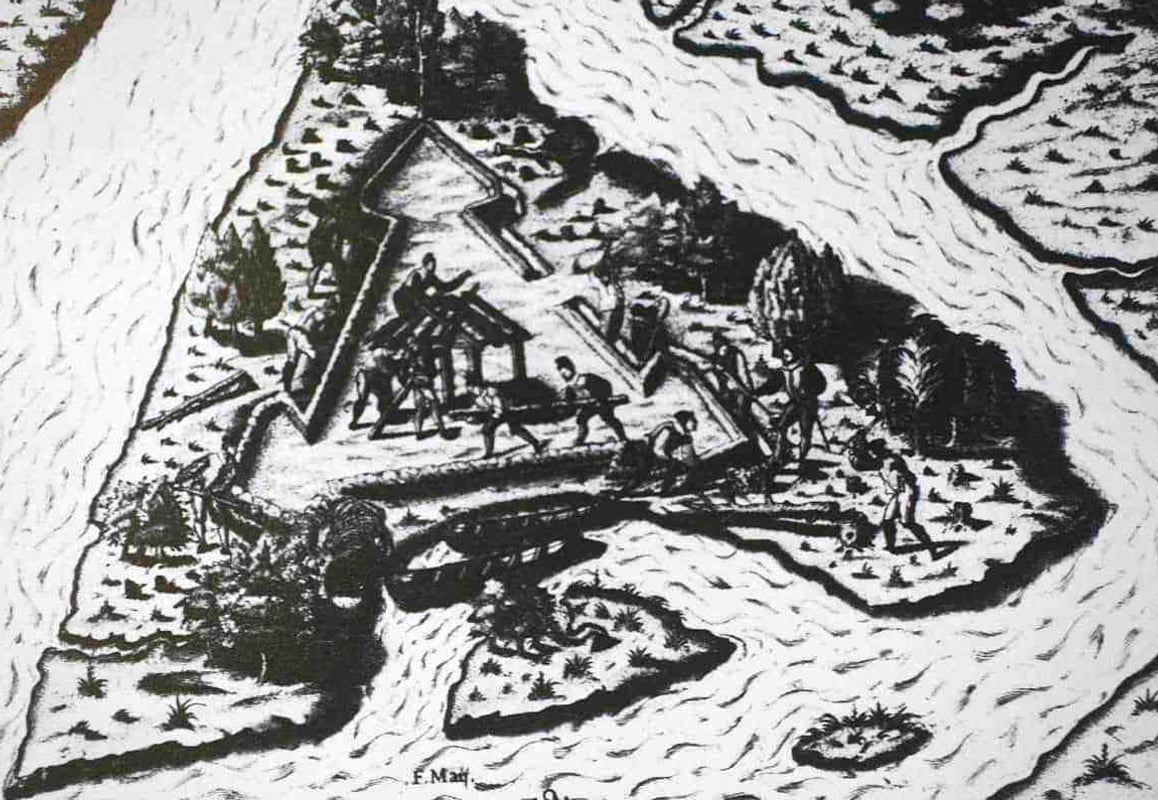
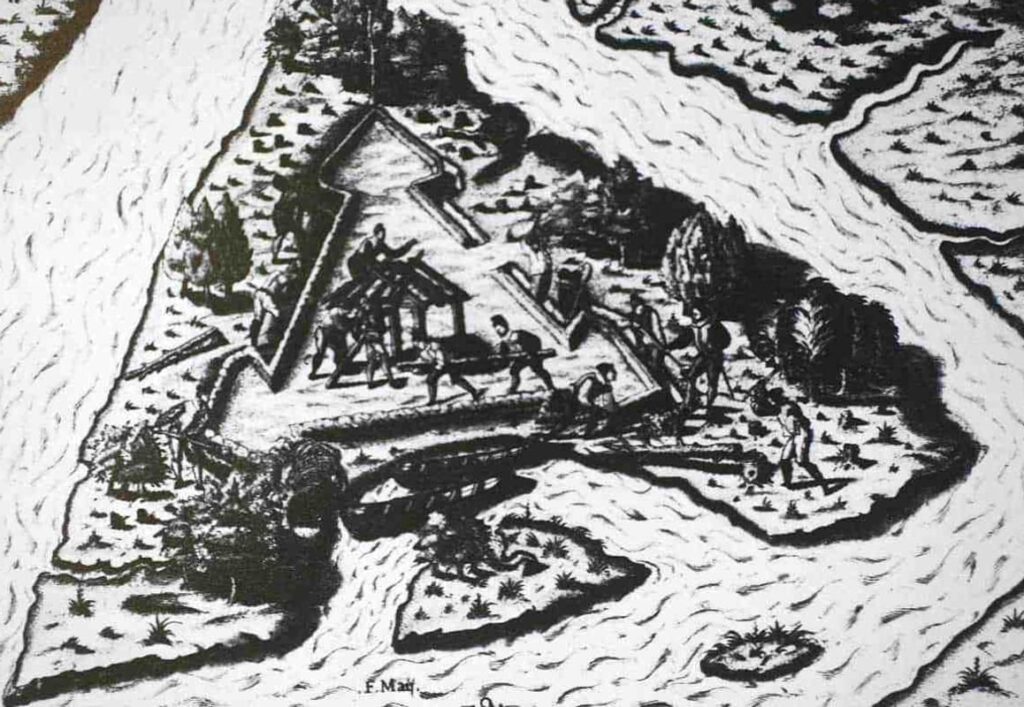
The French Huguenots landed on the coast of what is now northeastern Florida and established a settlement they called Fort Caroline, located near present-day Jacksonville. The site had already been explored by French expeditions, which gave the colonists some confidence in their claim to the land. At Fort Caroline, they built structures, cultivated relationships with local Native Americans, and began the slow work of establishing a functioning colony. Crucially, they could worship as Protestants without interference. For a community that had known nothing but persecution back home, this represented a genuine achievement. But their settlement sat inside territory Spain had formally claimed years earlier — and Spanish officials were paying close attention.
Spain’s Claim on the Continent
Spain’s position on North America was unambiguous, at least from Spain’s perspective. Through a series of papal decrees and royal charters, the Spanish crown had asserted dominion over vast stretches of the Americas, including Florida. Spain had explored the Florida peninsula before the French arrived, and the region was considered part of the Spanish empire by default. When reports reached Madrid that French Protestants had built a permanent settlement on Spanish-claimed soil, the reaction was swift and furious. King Philip II of Spain, the most powerful monarch in Europe at the time, personally ordered that the Huguenots be expelled and that Spain establish its own lasting presence in Florida. This was not a bureaucratic dispute — it was a royal command backed by military force.