HISTORYHow a Religious Massacre Shaped the American Map7 min read
The Counter-Reformation Reaches America
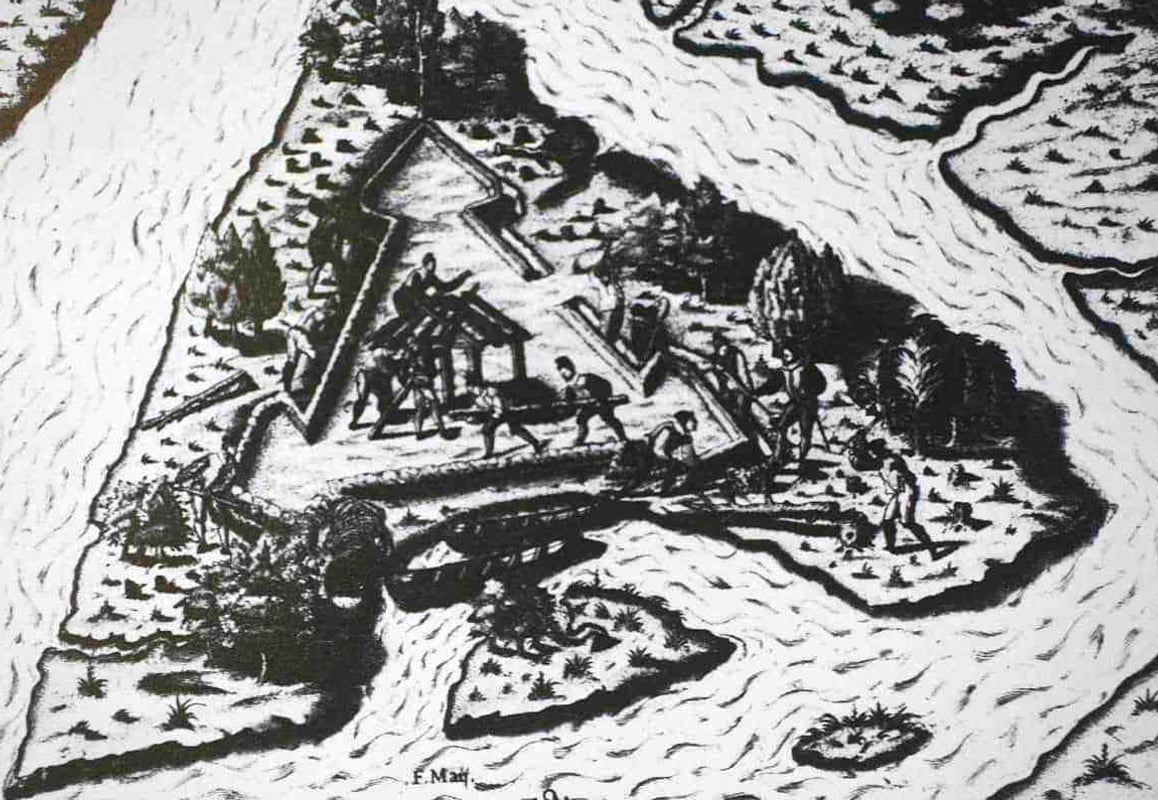
To understand the intensity of Spain’s response, it helps to understand the broader religious climate of the mid-sixteenth century. Europe was in the grip of the Counter-Reformation, the Catholic Church’s aggressive campaign to roll back the gains of Protestantism. Spain was its most committed champion. King Philip II viewed himself as a defender of Catholic orthodoxy, and the idea of French Protestants establishing a foothold in the New World was more than a territorial annoyance — it was a spiritual threat. Spanish officials feared that Huguenot settlers would spread Protestant ideas among indigenous populations, potentially undermining Catholic missionary efforts that were central to Spain’s imperial identity. The conflict at Fort Caroline was, in this sense, an extension of Europe’s religious wars fought on American ground.
Pedro Menéndez de Avilés Gets His Orders
Philip II entrusted the mission to Pedro Menéndez de Avilés, an experienced Spanish naval commander with a record of effective, if ruthless, service to the crown. Menéndez was given explicit instructions: remove the French Protestants and secure Florida for Spain. He sailed for the Americas with a substantial force, well-armed and well-supplied — far better equipped than the Huguenot colonists at Fort Caroline. Menéndez was not sent to negotiate or to issue warnings. He was sent to end the French presence in Florida permanently. His orders reflected the era’s standard approach to religious and territorial disputes: overwhelming force, applied decisively, with no expectation of compromise.