Thailand Has Islands Most Tourists Never Find
Ko Yao Sits 30 Minutes from Phuket and Feels Like Another Era
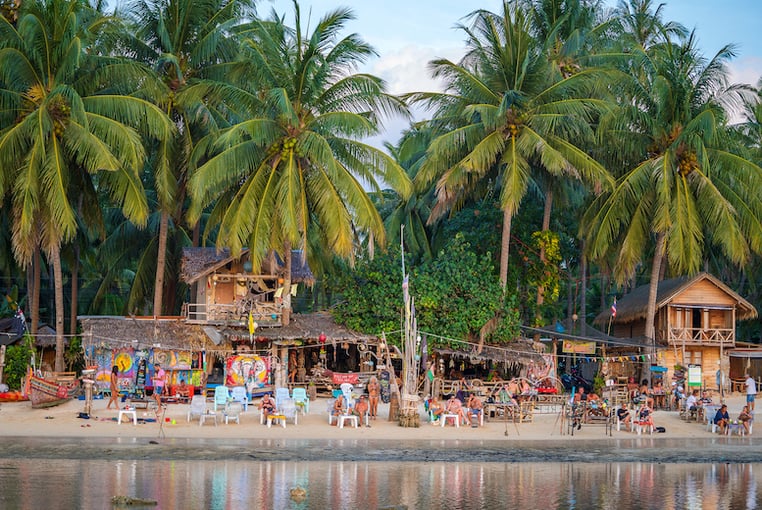
The twin islands of Ko Yao — Ko Yao Yai and Ko Yao Noi — sit in Phang Nga Bay, less than 30 minutes by ferry from Phuket. The contrast upon arrival is immediate: rice paddies, coconut groves, rubber plantations, and wooden homestays replace the resort infrastructure found on the mainland. There are no ATMs or banking facilities on either island, and only one 7-Eleven has arrived — recently. Ko Yao Noi is slightly more developed, offering rock climbing, a couple of branded luxury resorts, and access to the famous Big Tree. Ko Yao Yai is quieter, with more traditional village life, mid-range family accommodation, and beaches that many travelers consider slightly superior. Both islands deliver the full package: secluded beaches, scuba diving, and sunset views over dramatic limestone karsts rising from Phang Nga Bay.
Ko Tarutao Was a Political Prison Before It Became a National Park
Ko Tarutao is the largest island in Tarutao National Marine Park, an archipelago of more than 50 islands in southern Thailand. The island served as a political prison in the mid-20th century, and portions of that history remain accessible to visitors — the Ao Ta Lo Woo Pier and the trail connecting the original prison buildings are open for exploration. Today, the national park headquarters operate from Ko Tarutao, and the island is only open to tourists between October and April each year. That restricted season preserves its character: dense jungle, mangroves, remote beaches, and limestone cliffs. Hiking, mountain biking, and sea kayaking are the primary activities. Wildlife includes wild boar, langurs, and around 100 recorded bird species, making it a productive destination for naturalists.
The Surin Islands Are Where Whale Sharks Show Up
The Surin Islands form Mu Ko Surin National Park, a five-island archipelago with Ko Surin Nua and Ko Surin Tai as the main landmasses. The islands are known for their white-sand beaches, transparent water, and deliberate absence of large commercial development — no resort strips, no busy promenades. Snorkeling, diving, hiking, and game fishing are the core activities, and longtail boats are available for independent exploration. The coral reefs off Ao Chak are frequented by whale sharks, making the Surins a notable dive destination. A Moken village on the islands is home to around 100 sea gypsies, one of the few remaining traditional communities of this kind in Thailand. Overnight camping on Ko Surin Neua is permitted, giving the archipelago a rare off-grid quality that is becoming harder to find in Southeast Asia.
Ko Samui Beyond the Big Buddha
Ko Samui is Thailand’s second-largest island and home to its own international airport, making it one of the more accessible destinations in the country. Palm-dotted beaches, wild rainforest, and coconut groves define the landscape, though the island’s sustained popularity has produced a substantial resort and spa industry. Traditional Thai massage, yoga retreats, cleansing fasts, tai-chi camps, and chakra treatments are widely available and heavily marketed. The most iconic landmark is the Big Buddha statue at Wat Phra Yai, located on a small islet connected to the main island by a causeway. Chaweng Beach draws the highest visitor numbers, while Fisherman’s Village Bophut, Wat Plai Laem temple, and Hin Lat Waterfall provide quieter alternatives. Renting a scooter for a day of beach-hopping covers the island’s highlights efficiently and on your own schedule.