HISTORYWhat Actually Makes a War a World War7 min read
There Is No Official Definition
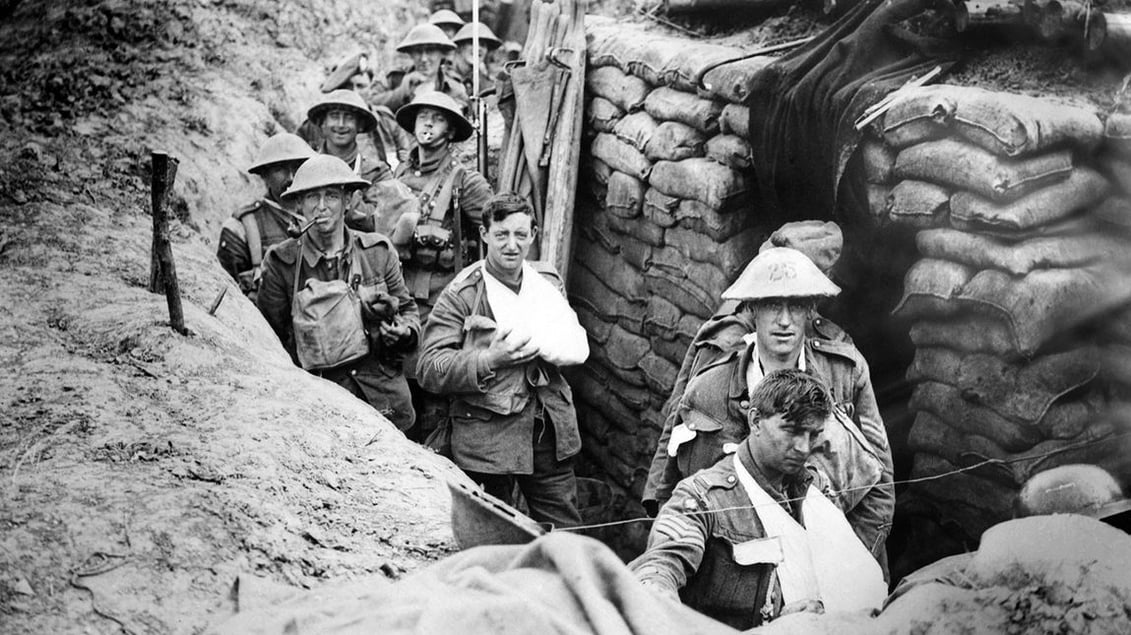
The phrase “world war” sounds self-explanatory, but no international body, legal charter, or official authority has ever set a precise threshold for when a conflict earns that label. There is no treaty that defines it. No committee votes on it. Historians and scholars apply the term retroactively, looking back at the scale, geography, and consequences of a conflict and debating whether it clears an informal bar. This means reasonable people can and do disagree about which wars qualify. The ambiguity is not a modern problem — soldiers fighting in what we now call World War I referred to it simply as the Great War. They had no idea they were participants in the first of two conflicts that would define the entire 20th century.
How Historians Actually Measure It
Without a formal definition, historians rely on a cluster of overlapping criteria to judge whether a conflict rises to the level of a world war. The most commonly cited factors are global geographic reach, direct involvement by multiple major powers, total economic and military mobilization, and a death toll measured in the tens of millions. No single factor is sufficient on its own. A war can be devastating without being global. A war can span continents without drawing in the dominant powers of the era. It is the combination — major powers fighting each other directly, across multiple continents, with entire societies reshaped around the war effort — that pushes a conflict into the world war category.