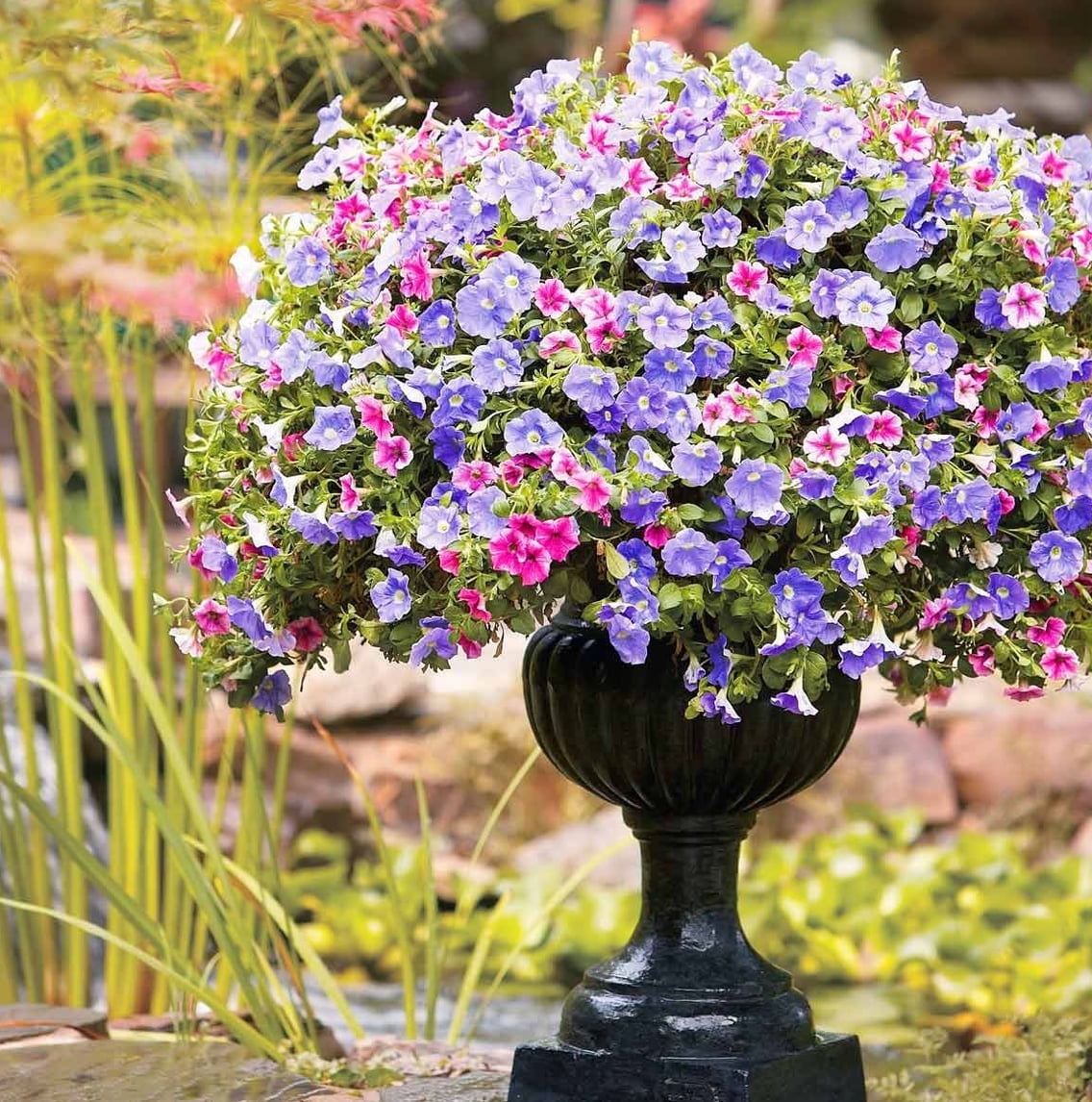
HOMEThe Container Mistake That Keeps Hummingbirds Away7 min read
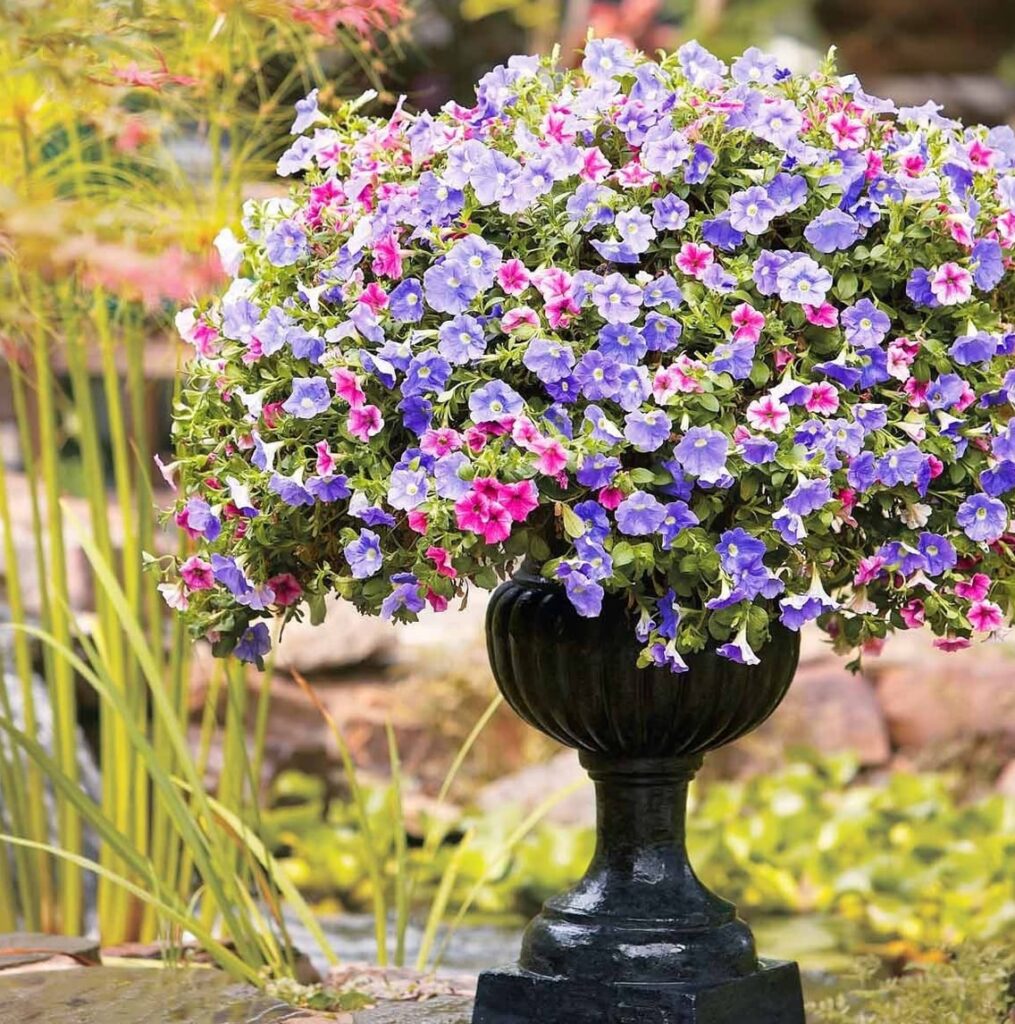
Mixing and Matching Beyond the Basic Combos
Petunias, salvias, and calibrachoas are a proven starting point, but they are not the only options that work. Hummingbirds are attracted to a wide range of tubular or funnel-shaped flowers in warm colors. The principle behind a successful container combo is layering: one upright, structural plant for height; one mounding plant for the middle; one trailing plant to cover the edges and cascade downward. This structure maximizes bloom coverage at multiple levels and gives the container a finished look that also functions well for hummingbird feeding. Once you understand the layering logic, it is straightforward to swap in other hummingbird-friendly plants and build your own combinations. The structural role, the mounding role, and the trailing role each have multiple suitable plant options, so there is room to adapt based on what is available locally or what conditions your space presents.
Butterflies Benefit From the Same Setup
A container arrangement designed to attract hummingbirds will also draw butterflies, often without any additional effort. Petunias and calibrachoas are regularly visited by several butterfly species, and salvias attract both butterflies and hummingbirds simultaneously. This overlap happens because the same flower characteristics that appeal to hummingbirds — abundant nectar, open or tubular shapes, warm colors — also appeal to many butterfly species. For gardeners interested in supporting pollinators more broadly, a hummingbird container strategy has built-in dual-purpose value. The main difference in what each visitor prefers is landing space: butterflies need a flat surface to rest on while feeding, while hummingbirds hover. Including a few flat-topped flower clusters nearby, or simply letting butterfly-friendly weeds like clover grow at the base of the containers, can make the arrangement work for both without compromising either.