HISTORYThe Hidden History Behind Mardi Gras That Most Revelers Never Learn4 min read
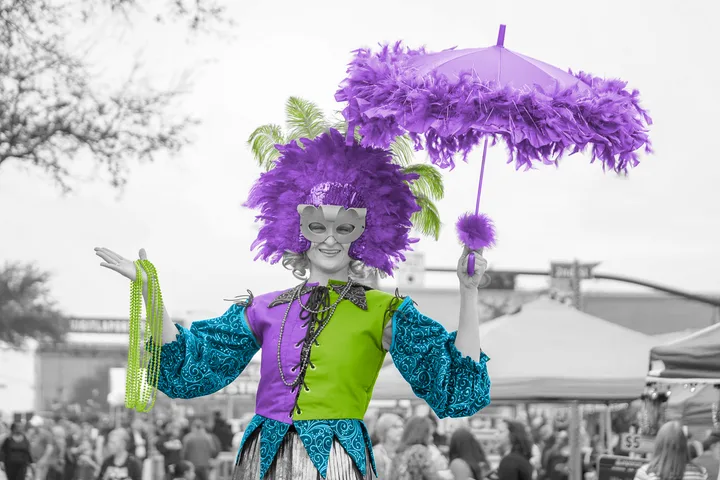
Fat Tuesday Is Just the Finale
Mardi Gras — French for “Fat Tuesday” — is the last day of Carnival, not the whole thing. Carnival opens on Twelfth Night, January 6, and runs until Ash Wednesday, the start of Lent. Depending on when Easter falls, that stretch can last anywhere from 29 days to 64 on a leap year.
In New Orleans, the season fills up fast. The Krewe of Joan of Arc parades through the French Quarter on January 6 in full medieval armor, honoring the French heroine’s birthday. Streetcar parades, themed balls, and formal krewe events crowd the calendar for weeks before the big Tuesday arrives.
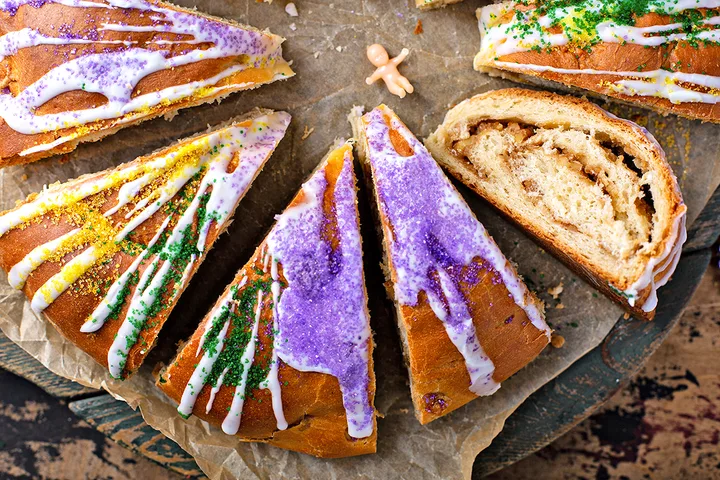
Then there’s the King Cake. The sugar-dusted ring, striped in purple, gold, and green, shows up in every bakery across the city from Twelfth Night through Mardi Gras. Hidden inside each cake is a tiny plastic baby — a nod to the birth of Jesus — and whoever finds it in their slice is on the hook for buying the next cake or hosting the next party. Versions of the tradition exist across Latin America and Europe, where France buries a bean or coin and Portugal hides a dried fava bean. Same premise, different prize. The eating is always the point.