The Real Reason Prion Diseases Spread Without DNA
The Scientific Community Was Not Convinced
Prusiner’s proposal met with substantial skepticism. Established researchers pushed back, arguing that the evidence was circumstantial or that contaminating nucleic acids too small to detect might still explain the results. Some critics questioned whether the experiments were rigorous enough to rule out all alternative explanations. Others simply found the idea biologically implausible — proteins were not supposed to be capable of self-replication or infectious transmission on their own. The resistance was not irrational. Science depends on established frameworks, and prion theory required abandoning one of the most fundamental principles in molecular biology. Prusiner spent the following years continuing to build the case, while other research groups worked to characterize the structure of the prion protein and understand exactly how it behaved.
How Prions Convert Healthy Proteins
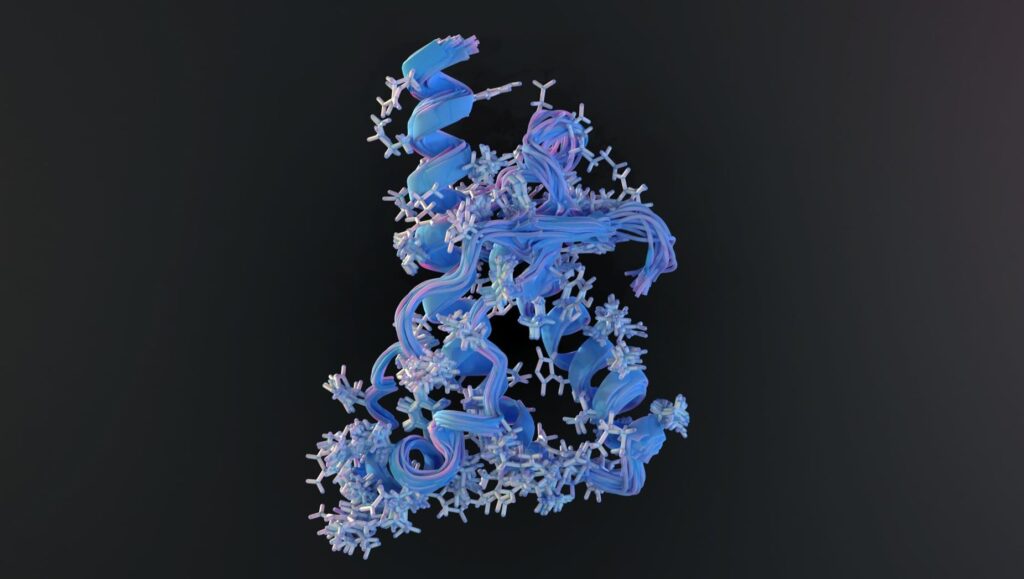
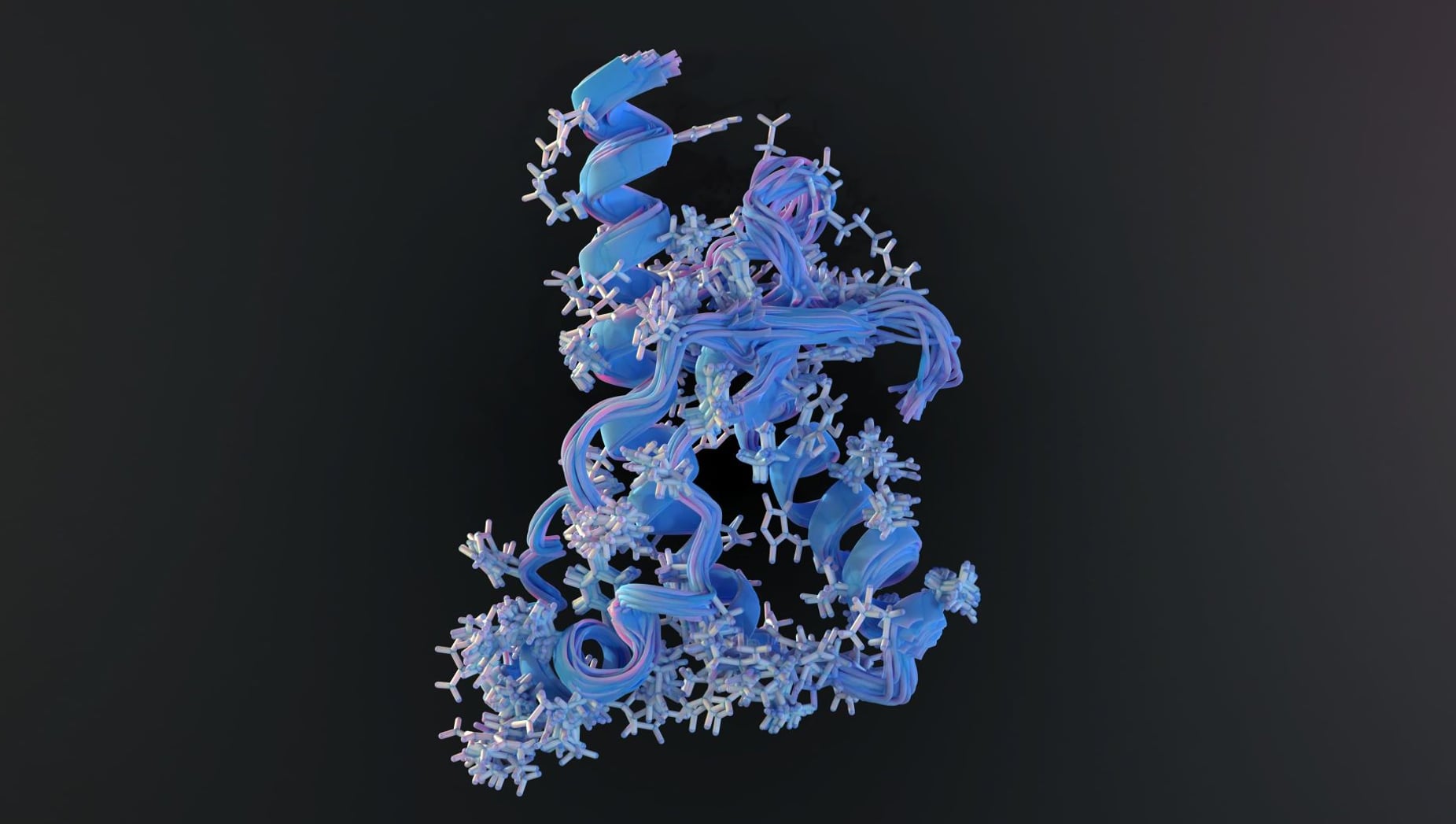
Over the 15 years following the 1982 paper, researchers gradually worked out the molecular mechanism behind prion transmission. The key insight was conformational: the same protein could exist in two distinct three-dimensional shapes, one normal and one pathological. When the misfolded, pathological version encountered a normal protein, it could induce the healthy protein to refold into the same abnormal shape — essentially converting it. This chain reaction, once started, was self-sustaining. The pathological form also resisted the enzymes that would normally break down misfolded proteins, allowing it to accumulate in neural tissue. This explained not only how prions could spread without nucleic acids, but also why the diseases were progressive and why brain tissue deteriorated over time. It also explained the hereditary component: certain genetic mutations produced proteins that were more prone to misfolding in the first place.
The Nobel Prize Arrived 15 Years Later
In 1997, the Nobel Committee awarded Stanley Prusiner the Nobel Prize in Physiology or Medicine for his discovery of prions. The prize recognized not just the identification of a new class of pathogen, but the transformation of a fundamental assumption in biology. Before Prusiner’s work, infectious disease was understood to require nucleic acids — some form of genetic material that could be copied and passed on. Prions demonstrated that proteins alone, through their three-dimensional shape rather than any genetic sequence, could carry and transmit pathological information. The prize also implicitly acknowledged the scientific community’s initial resistance. Prusiner had been right, the field had been slow to accept it, and the gap between the 1982 paper and the 1997 prize reflected the time it took for evidence to accumulate to a level beyond serious dispute.
Mad Cow Disease Confirmed the Theory
The most dramatic public validation of prion science came with the bovine spongiform encephalopathy outbreak — widely known as mad cow disease — that struck the United Kingdom beginning in the late 1980s and continuing into the early 2000s. Investigators determined that cattle had been fed meat-and-bone meal produced from the remains of other cattle, including those infected with BSE. This practice allowed prions to spread through the food supply on a large scale. When humans consumed beef from infected animals, some developed a variant form of Creutzfeldt-Jakob disease — clinically distinct from the classic form and affecting younger patients. The outbreak sickened hundreds of thousands of cattle and resulted in the deaths of over 170 people in the UK alone, forcing a complete overhaul of animal feed regulations. It also provided a real-world demonstration, on a tragic scale, that Prusiner’s prion hypothesis was not theoretical. The infectious protein was real, and it could cross species.