HISTORYThe Real Reasons Six Beloved Sports Teams Got Their Famous Names5 min read
New York’s Oldest Team Owes Its Name to Baggy Pants
The New York Knicks have been the Knicks for so long that most fans have never stopped to wonder what a “knickerbocker” actually is. The full name—the Knickerbockers—traces back to the city’s Dutch colonial past, when New Amsterdam thrived along the Hudson before the British renamed it New York and moved on.
Two things kept the word alive. First, the distinctive ballooned trousers worn by Dutch settlers, which bunched below the knee. Second, Washington Irving’s 1809 satirical history of the city, published under the pen name Diedrich Knickerbocker. The book made the word famous. By the mid-19th century, “knickerbocker” had become a warm, catch-all nickname for New Yorkers—especially those who could trace their roots to the original Dutch settlers.
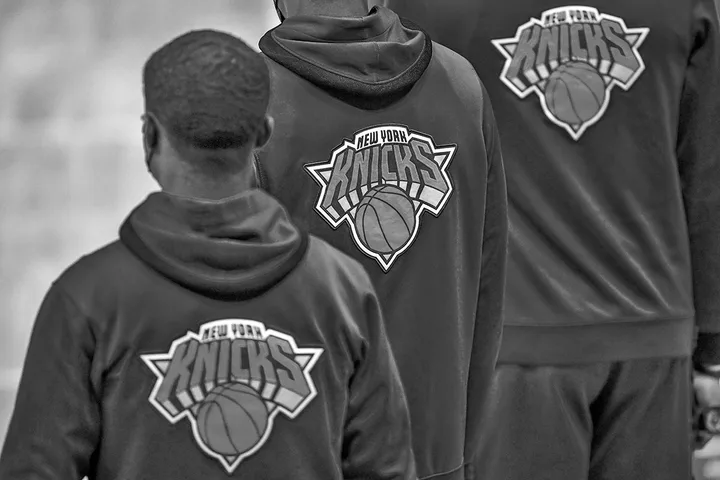
When the basketball team formed in 1946, the name fit the city perfectly. All these decades later, everyone calls them the Knicks—but the full name is still officially on the books, a small monument to a city that was once somebody else’s colony.
The Meat-Packing Company That Accidentally Launched an NFL Dynasty
Corporate sponsorship feels like a modern disease, but the Green Bay Packers have been living proof of its ancient roots since 1919. Co-founder Earl “Curly” Lambeau needed money. The Indian Packing Company, where he worked, needed visibility. Lambeau struck a deal: $500 for equipment, uniforms, and use of the company’s athletic field. In return, the team would carry the company’s name.
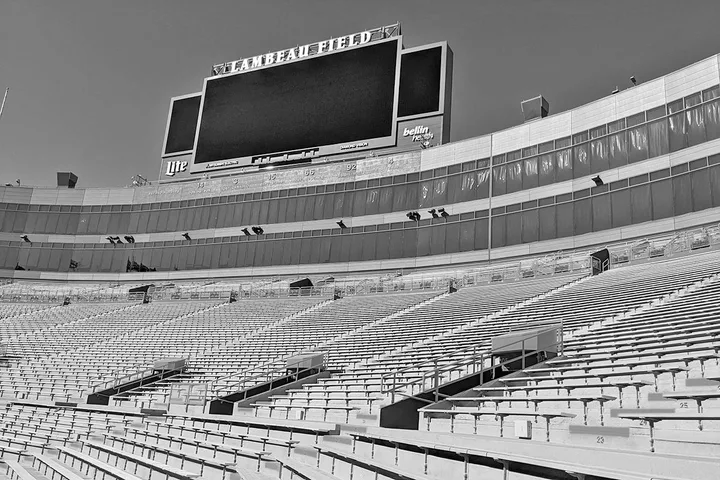
Five hundred dollars. That’s what bought the Packers their identity. For scale, the company that now has its name on the Rams’ and Chargers’ stadium paid $400 million for the privilege. The Indian Packing Company folded just two years after the deal was struck, absorbed by the Acme Packing Company—whose name briefly appeared on team jerseys in 1921. But “the Packers” stuck.
The franchise went on to become one of the most decorated in NFL history, winning championships long before the Super Bowl existed. The century-old name of a defunct Wisconsin meat processor lives on every time a quarterback takes a snap at Lambeau Field.