SCIENCEThe Real Recipe Behind Earth-Like Planets7 min read
What the ‘Recipe’ Actually Tells Scientists
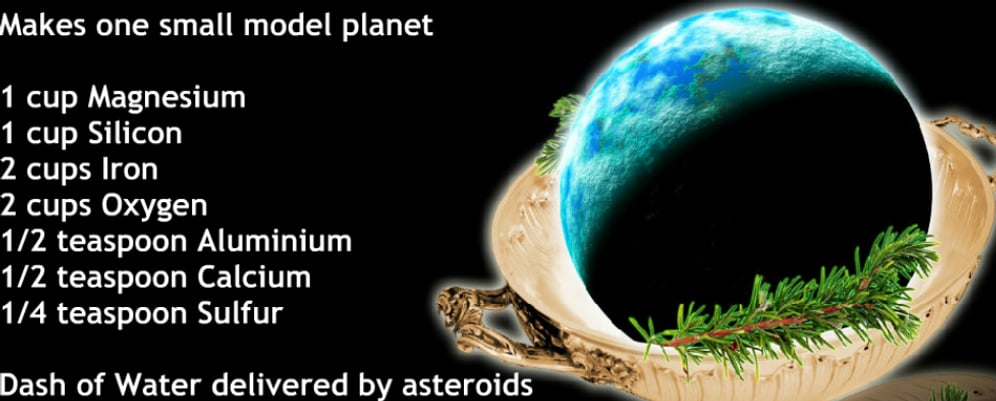
A recipe is only useful if you know how to apply it. For astronomers, the practical value of this finding is in target selection. If rocky planets below a certain size share Earth’s composition, then the search for potentially habitable worlds can shift from broad surveys to focused investigation of specific candidates. Planets with less than six times Earth’s mass are the ones most likely to match Earth’s composition, according to the research. That mass threshold, combined with the 1.6 Earth-diameter size limit, gives mission planners a concrete framework. Instead of cataloguing thousands of worlds and hoping to stumble across something interesting, scientists can apply these parameters to existing exoplanet data and identify which systems deserve closer study.
How This Changes the Search for Habitable Planets
The implications extend beyond chemistry. If Earth-like planets are built from the same materials as Earth, they may also share features that make Earth habitable — tectonic activity driven by a hot iron core, mineral cycling that regulates atmospheric chemistry over long timescales, and surfaces stable enough for liquid water to persist. None of that is guaranteed by composition alone, but composition is the foundation. A planet built from different raw materials would face different constraints. Knowing that the galaxy regularly produces planets from the same recipe as Earth expands the plausible range of worlds where biology might find a foothold. It does not confirm life exists elsewhere — but it establishes that the physical prerequisites are not rare.