CURIOSITYThe Six Miniseries That Stripped Television Down to Raw Nerve5 min read
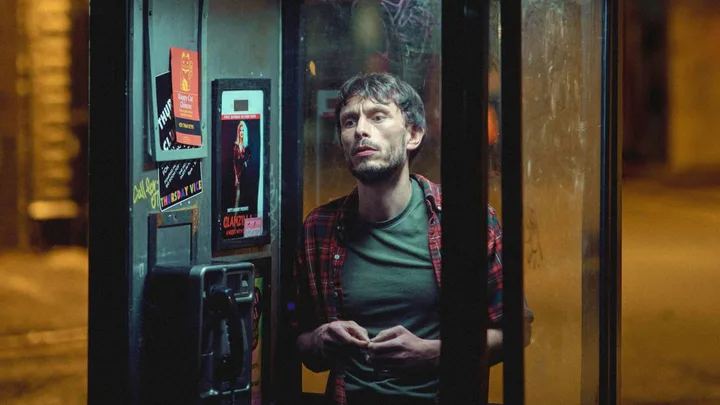
A Classroom Murder That Breaks Your Heart
Few TV shows in recent memory have landed as hard as Adolescence. Stephen Graham and writer Jack Thorne built something genuinely shattering: thirteen-year-old Jamie Miller is arrested for the murder of his classmate Katie, and every episode unfolds in a single, uncut shot. No editing room to hide in. No relief valve. The camera stays with you the way dread does.
What makes it so unsettling isn’t the violence — it’s the architecture of how a boy gets there. Influencer culture, manosphere rabbit holes, cyberbullying, the particular poison of online radicalization. Jamie felt rejected by Katie, who had also been running a smear campaign against him online. After bingeing content that told him women were the enemy, he did something irreversible. The show never lets you look away from how ordinary that path looks from the outside.
It isn’t based on a specific true story, but that almost makes it worse. The arc it describes has become uncomfortably familiar. Adolescence works as a horror film, a social document, and a tragedy all at once — and the single-shot format means you absorb every beat of it with no buffer.
Five Innocent Boys, One Corrupt System
In 1989, a woman named Trisha Meili was brutally assaulted during a jog through Central Park. Five teenagers — Kevin Richardson, Antron McCray, Yusef Salaam, Korey Wise, and Raymond Santana — were interrogated, coerced into false confessions, and sent to prison. Ava DuVernay’s When They See Us reconstructs what happened to them, and it is almost physically painful to watch.
The interrogation scenes are suffocating. These were children. The police ignored contradicting evidence, reshaped the narrative to fit their assumptions, and destroyed young lives in the process. Watching detectives manipulate scared teenagers into confessing to crimes they didn’t commit has a specific, stomach-turning quality that procedural crime dramas never quite capture.
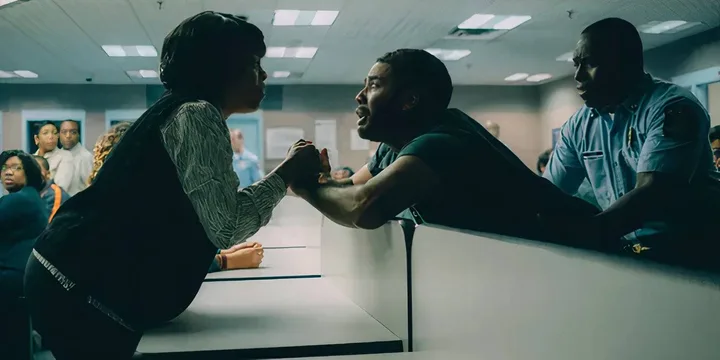
DuVernay’s crucial decision was to give each of the five their own episode, their own interiority, their own grief. They aren’t a collective symbol — they’re specific people with specific losses. That choice transforms When They See Us from an outrage piece into something that lingers much longer. The real men were eventually exonerated, but the show forces you to reckon with what exoneration doesn’t give back.