CURIOSITYThe Six Miniseries That Stripped Television Down to Raw Nerve5 min read
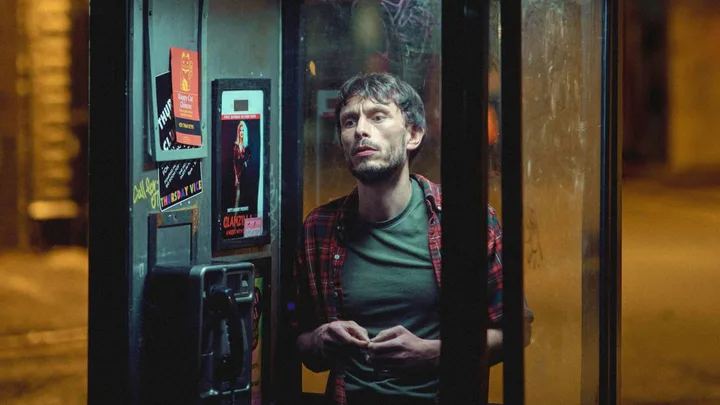
The Butcher Who Wore His Victims
Ryan Murphy’s Monster anthology doesn’t flinch, and its Ed Gein chapter is the most extreme proof of that. Charlie Hunnam plays Gein — the so-called Butcher of Plainfield — with an unsettling softness that makes him more frightening than any screaming monster. He speaks quietly. He seems almost gentle. And then the camera pans to his house.
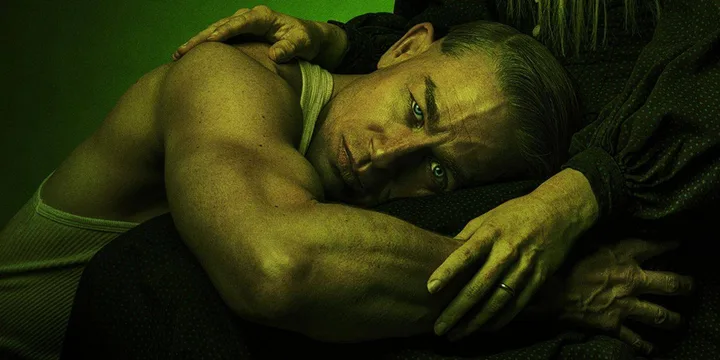
Gein murdered women and exhumed corpses from local graves, fashioning furniture and clothing from the remains. Chairs upholstered in skin. A suit made from a woman’s body. The show renders this with a frankness that feels confrontational rather than exploitative — though Murphy has taken criticism for centering killers at the expense of their victims, and that critique lands here too.
What makes the Gein episode feel genuinely limitless is precisely that callousness. There are no guardrails, no therapeutic framing, no distance offered to the audience. You are in that house. Whether that constitutes artistry or irresponsibility is a question the show refuses to answer for you.
The Mother Who Invented Her Daughter’s Illness
Gypsy Rose Blanchard spent years in a wheelchair she didn’t need, taking medications for conditions she didn’t have, performing a sickness her mother Dee Dee had fabricated from the beginning. When Gypsy eventually helped arrange Dee Dee’s murder in 2015, the headline read like a true crime cliché. The Act, the eight-part Hulu series, makes sure you understand why it wasn’t.
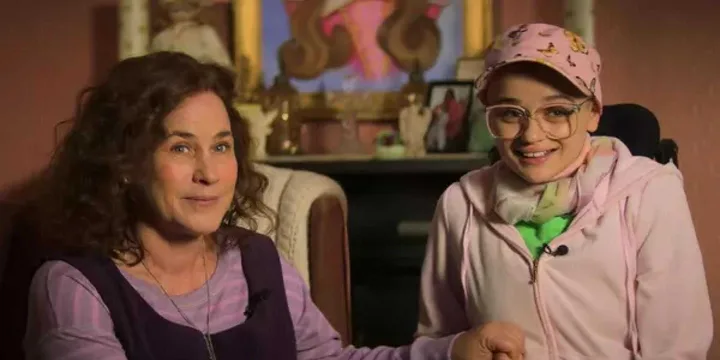
Dee Dee presented herself as a saint — a devoted single mother sacrificing everything for a profoundly ill child. The reality was Munchausen syndrome by proxy, a form of abuse so insidious it can masquerade as love for years. As Gypsy begins to quietly question her own supposed ailments, she also starts to recognize her sexuality, which Dee Dee works hard to suppress. The two storylines collide with ugly, inevitable force.
The moral compass doesn’t just wobble in The Act — it spins. Both women emerge as damaged in ways that resist easy judgment. The show leaves you with something close to helplessness: not because justice fails, but because the situation itself was never clean enough for justice to fully reach.