HOMEWhat Most People Get Wrong About Rainwater8 min read
The Legal Picture Is More Nuanced Than a Yes or No
Rainwater collection is legal in most of the United States, but the details vary enough that checking local rules before installing a system is worth the effort. Western states with chronic drought conditions have historically placed limits on collection, partly because water rights in those regions are governed by older legal frameworks that weren’t written with residential collection in mind. Colorado is frequently cited as an example of a state that has restricted collection, though its laws have loosened in recent years. On the other end of the spectrum, Texas actively encourages rainwater harvesting and has offered financial incentives to residents who install collection systems. Some municipalities require permits for systems above a certain storage capacity. The practical takeaway: most homeowners in rain-abundant regions face no barriers at all, while those in arid or semi-arid areas should take ten minutes to check state and county rules before investing in equipment.
Building a Basic Rain Barrel Requires Less Than You’d Expect
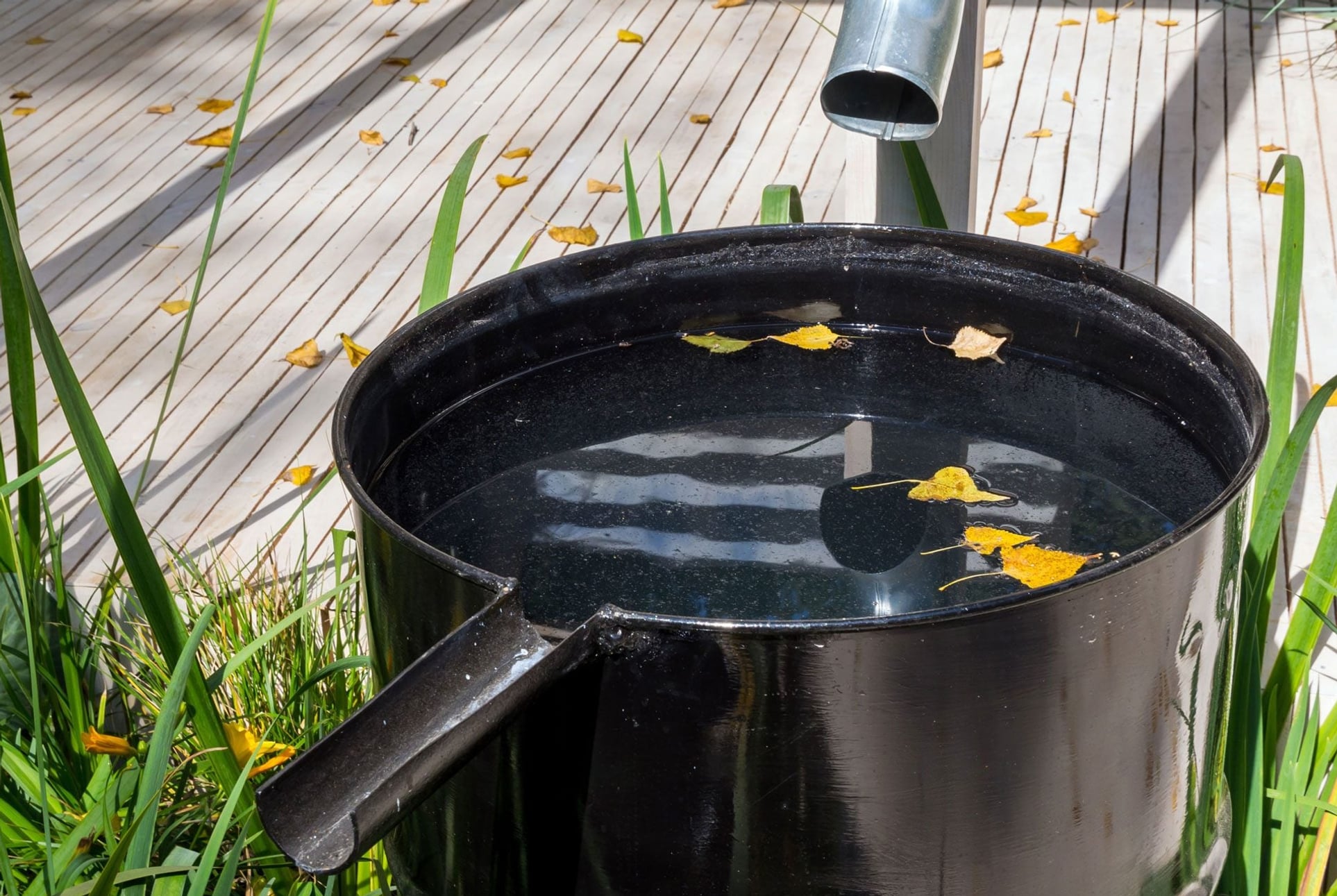
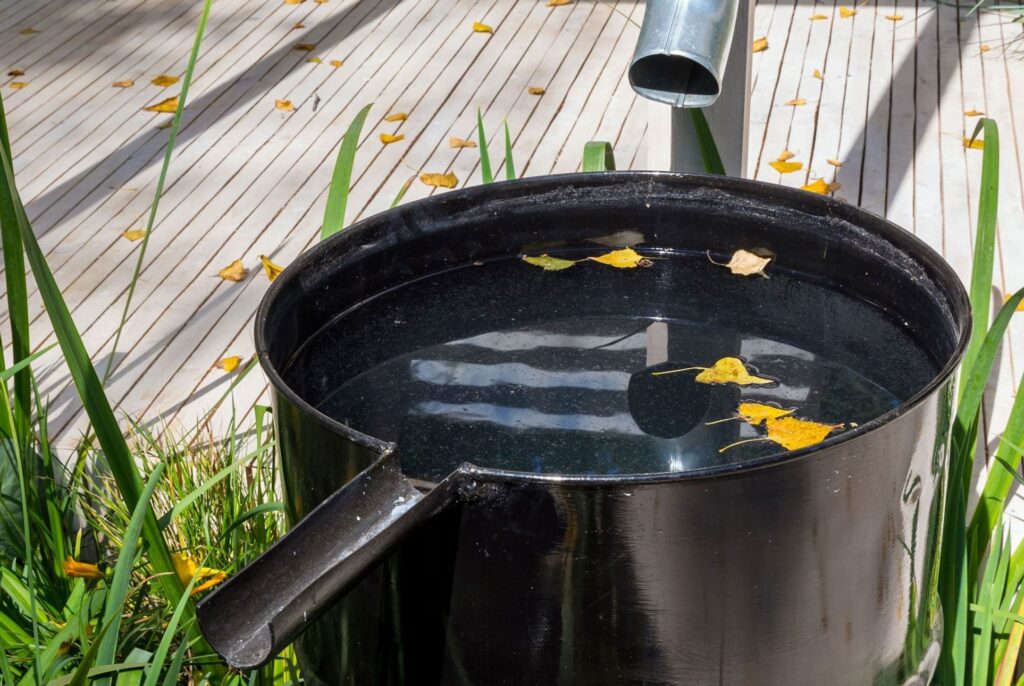
A functional rain barrel can be assembled from a few components and doesn’t require specialized skills. The core elements are an elevated plastic drum — food-grade barrels are widely available and often repurposed from food or beverage industries — a hole in the top where water enters from the downspout, and a spigot installed near the bottom for drawing water out. Elevation matters because it creates enough pressure to fill a watering can or connect to a soaker hose by gravity. One critical detail that’s easy to overlook: all openings need to be covered with fine mesh screen, specifically 1/16-inch gauge, to block mosquitoes from using the barrel as a breeding site. Overflow should also be directed away from the foundation. For homeowners who want to skip the DIY process entirely, pre-assembled rain barrel kits are widely available at hardware stores and garden centers. More elaborate multi-barrel systems can be chained together to increase storage without significantly increasing complexity.
Why the Timing Makes Rainwater Collection Worth Reconsidering Now
Rainwater collection isn’t a new idea, but several factors are converging to make it more relevant than it’s been in decades. Water rates have risen in many municipalities as aging infrastructure requires replacement and treatment costs increase. Aquifer depletion is accelerating in agricultural regions, creating competition between farms and cities for the same diminishing groundwater supply. Climate patterns are shifting in ways that make both droughts and intense rainfall events more common in the same regions — which means the ability to capture water during heavy rain and store it for dry periods has practical value. Meanwhile, the equipment has become cheaper and more widely available. A basic rain barrel costs less than a modest restaurant dinner. Even a more serious cistern system, when measured against reduced water bills over several years, tends to pay for itself. The infrastructure exists, the rules generally permit it, and the resource literally falls from the sky for free.