Why Squats Are Actually Wrong for Adults Over 557 min read
The Exercise Most Trainers Still Recommend Too Early
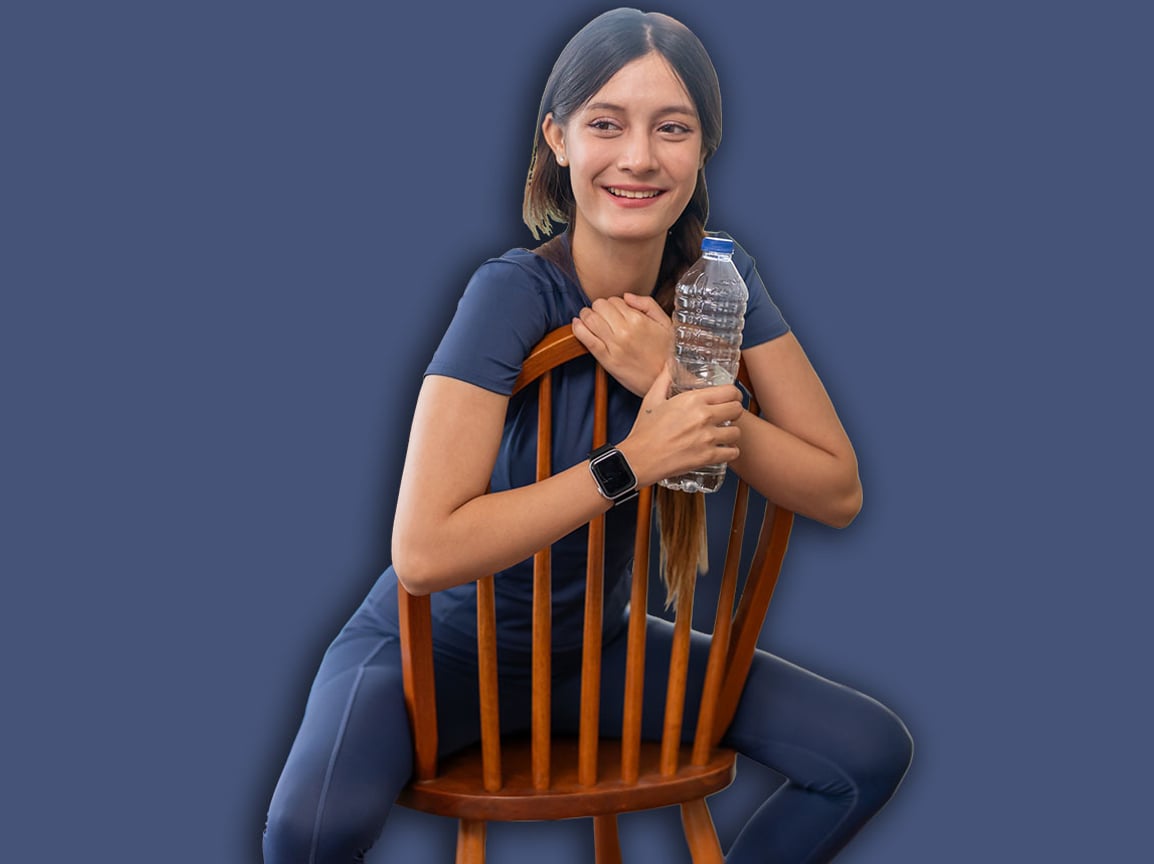
Squats have long been considered the gold standard for building lower body strength. Walk into almost any gym, and you’ll hear trainers recommending them for leg day. But for adults over 55 who are just getting back into fitness — or maintaining it for the first time — squats may be doing more harm than good. The movement places significant compressive load on the knees, hips, and lower back, which are also the joints most commonly affected by stiffness, arthritis, and age-related wear. Starting with squats when those areas are already compromised can trigger discomfort that derails progress entirely. There’s a better starting point, and it involves something most people already have in their home: a sturdy chair. Personal trainer James Bickerstaff, CPT, of OriGym recommends chair-based exercises as the smarter foundation for restoring thigh strength in this age group — and the reasoning holds up.
What Happens to Thigh Muscle After Midlife
Muscle loss after 50 isn’t just a minor inconvenience — it’s a documented biological process called sarcopenia. Research estimates that adults who don’t engage in regular strength training can lose roughly one percent of their muscle mass per year after midlife. That adds up quickly. Over a decade, a sedentary adult could lose ten percent or more of their total muscle tissue. The thighs are hit particularly hard. The quadriceps at the front and the hamstrings at the back of the thigh are among the largest and most metabolically active muscle groups in the body. When they weaken, the effects show up in ways people notice every day: difficulty getting out of a chair, slower walking pace, trouble on stairs, and a general feeling of instability. The good news is that muscle tissue responds to training at any age — the key is choosing the right kind.