HOMEWhat Most People Get Wrong About Rainwater8 min read
The Underground Water Crisis Nobody Talks About
Half of American homes rely on underground aquifers — ancient reserves that took thousands, sometimes millions of years to fill. Over the last century, those reserves have been pumped to the surface far faster than nature can replenish them. According to the United States Geological Survey, groundwater depletion is now a significant issue across many regions. Some communities are already facing water insecurity and rising bills. Lower water tables are also drying out wetlands and lakes, damaging ecosystems that depend on stable groundwater levels. The situation is serious enough that water planners in multiple states are actively looking for alternatives. Rainwater collection is one of the most practical solutions available — and it works at the household level, not just the municipal one. Understanding what’s actually happening underground makes the case for collection much stronger than most people realize.
Why Rainwater Is Cleaner Than You Think
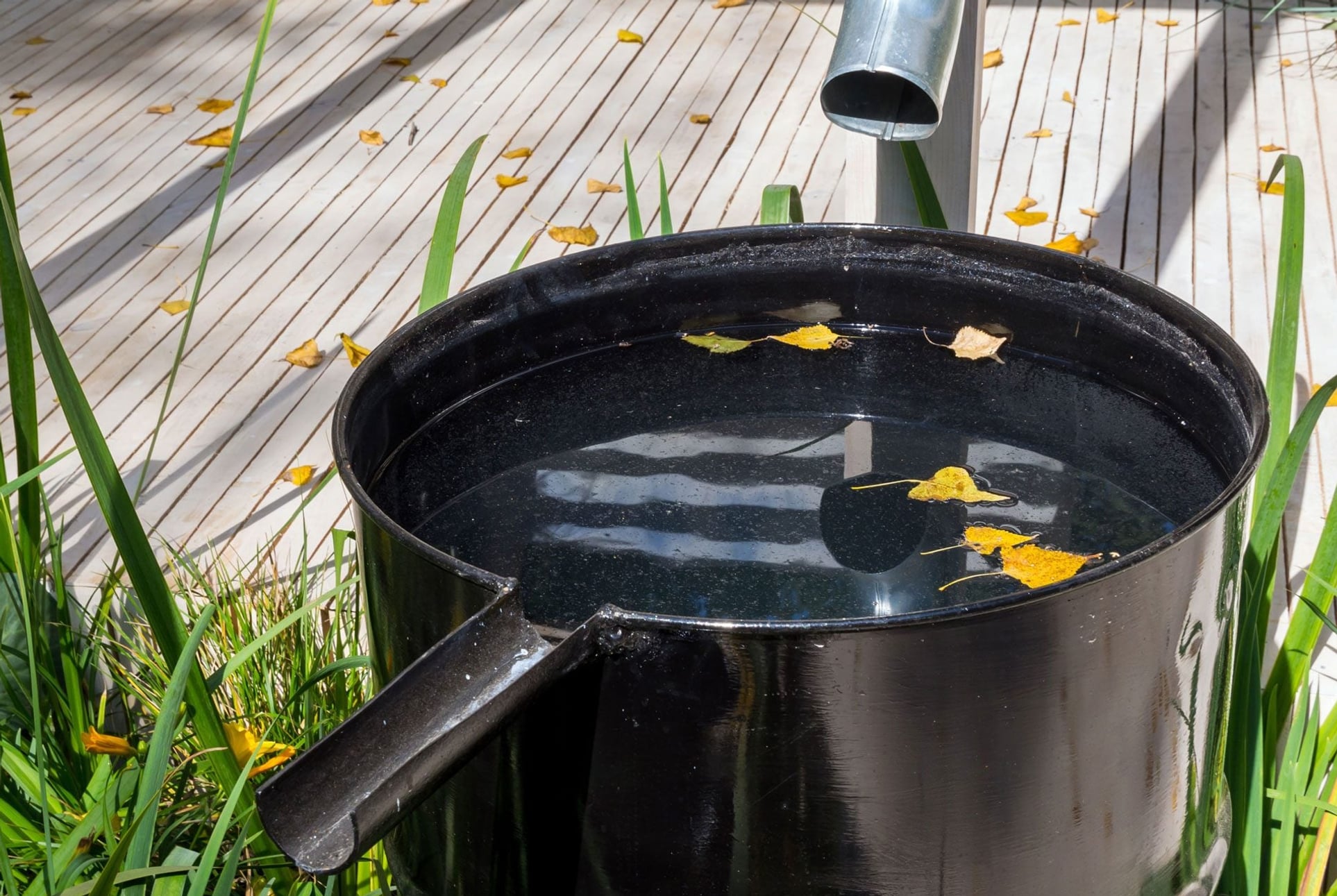
Tap water travels a long route before it reaches your faucet. It falls as rain, drains into the stormwater system, moves into a river or lake, gets pumped to a treatment plant, goes through a cleaning process, and then gets pumped again back to your house. Rainwater collected directly from your roof skips all of that. As Fouad Jaber, Ph.D., a professor and rainwater specialist with Texas A&M AgriLife, points out, the simplicity of direct collection is one of its biggest advantages. Rainwater also lacks chlorine, which is added to municipal water, and it doesn’t carry the salts and minerals common in groundwater. For plants especially, that chemical-free profile makes a real difference. Laura Allen, a founding member of Greywater Action, describes rainwater as “an amazing resource” — one that is typically excellent quality and abundant across much of the country.