HOMEYour House Is Hiding Centuries of Clever Solutions in Plain Sight4 min read

Small Panes, Big Problem Solved
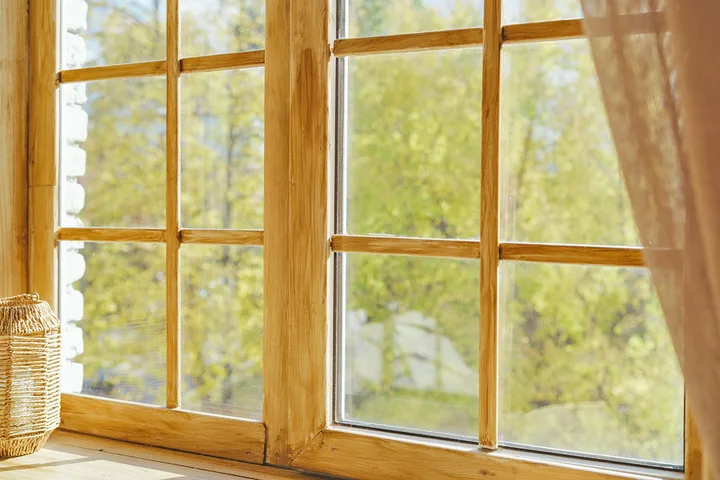
The windows in older homes — divided into grids of small panes by thin strips of wood or metal — look like a stylistic choice. They were an engineering necessity.
For most of history, glassmakers couldn’t produce large flawless sheets. The technology didn’t exist. So windows were assembled from smaller panes, held together by muntins — those thin dividing strips — which allowed for larger openings without requiring glass that couldn’t be made. Walls had load-bearing limitations, too; one massive opening was a structural gamble.
The terms matter here: muntins divide panes within a single sash; mullions are the larger structural bars separating distinct window units. Modern glassmaking long ago solved the original problem, but divided-light windows never lost their appeal. Manufacturers still install simulated muntin grids on contemporary double-pane windows because the look outlasted the need that created it.
The Overhang That Keeps You Upright
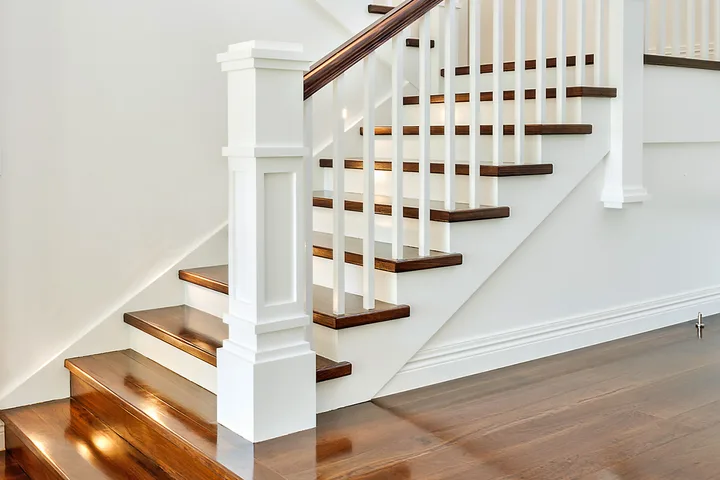
Every stair tread in a properly built staircase extends slightly past the riser below it. That small protrusion is called the nosing, and it does two things simultaneously: makes the step safer and makes it last longer.
The nosing gives your foot more surface area when landing. On narrow stairs especially, a few extra centimeters of tread can be the difference between a solid footfall and a slip. Many building codes require it for precisely this reason. Safety wasn’t always codified, but the logic was understood long before regulations caught up.
The front edge of a step absorbs more punishment than any other part — it’s where feet strike first, where heels drag on the way up. The nosing relocates that wear to a section of wood that overhangs the vulnerable riser face, protecting the structure underneath and extending the staircase’s useful life. Your house is full of small things doing big work, mostly doing it without your attention.