HOMEHow $10 of Lumber Can Transform Any Coffee Table8 min read
Where Paint Fits Into the Process
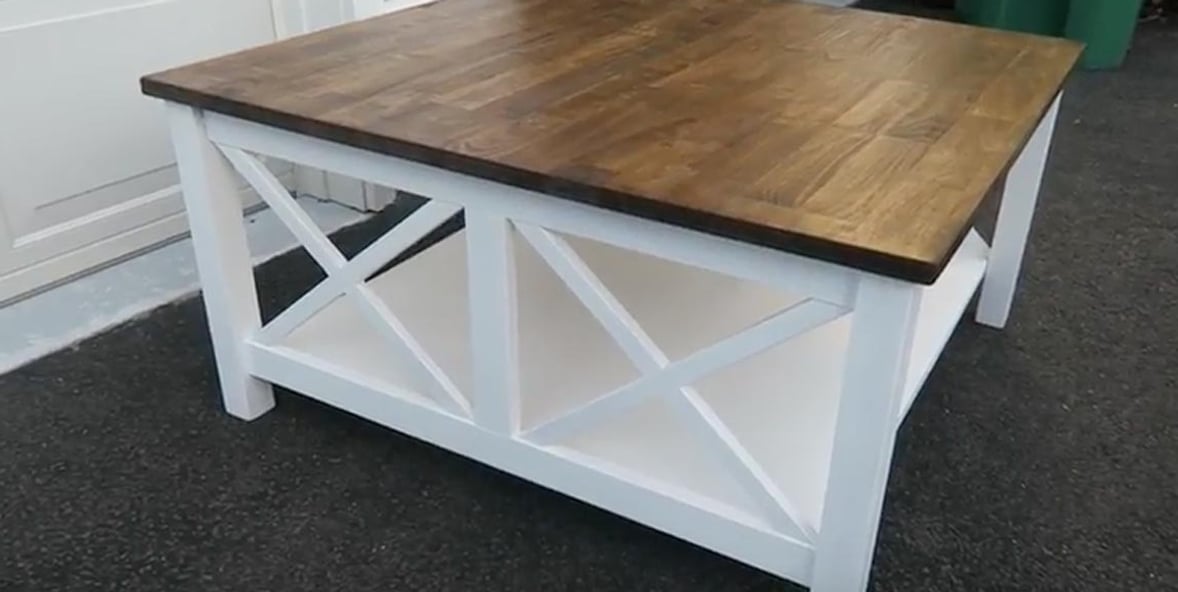
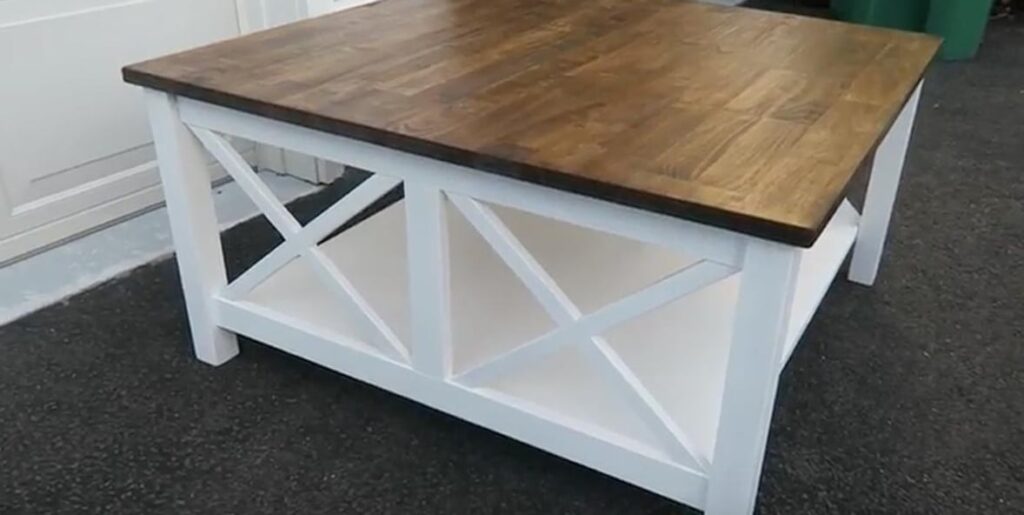
Paint in a farmhouse coffee table project serves a different purpose than stain. While stain penetrates and colors the wood itself, paint sits on the surface and is typically used on the table’s legs, apron, or frame rather than the top surface. White and off-white are the most common choices, referencing the painted furniture tradition of early American farmhouses. Chalk-style paints work particularly well here because they adhere to most surfaces without extensive sanding or priming, and they dry to a matte finish that already resembles aged paint. Light sanding after the paint dries — focusing on edges and corners — creates natural-looking wear that reinforces the vintage effect. The combination of a stained wood top with painted lower elements is a classic farmhouse contrast that draws the eye upward and makes the natural wood grain the focal point of the piece. Getting this balance right is what separates a convincing result from something that looks artificially distressed.
Why the IKEA Hemnes Is a Reliable Starting Point
The IKEA Hemnes line has appeared in so many DIY makeover projects that it has almost become a genre unto itself. The reason is straightforward: Hemnes furniture is designed with solid construction and clean proportions that respond well to modification. Unlike some flat-pack furniture built around a specific visual style, the Hemnes reads as quietly neutral — which makes it an adaptable canvas. The coffee table version has a lower shelf that is particularly well-suited to receiving the cross-piece addition that defines the farmhouse transformation. The shelf dimensions align naturally with standard lumber sizes, which means cuts are minimal and fitting the new wood into place does not require complex measurement or adjustment. Modifying IKEA furniture also carries lower psychological stakes for most people than altering a more expensive piece — which makes it easier to commit to the project and work through the learning curve without anxiety about ruining something irreplaceable.