HOMEHow $10 of Lumber Can Transform Any Coffee Table8 min read
The Role of Wood Cross Pieces in the Design
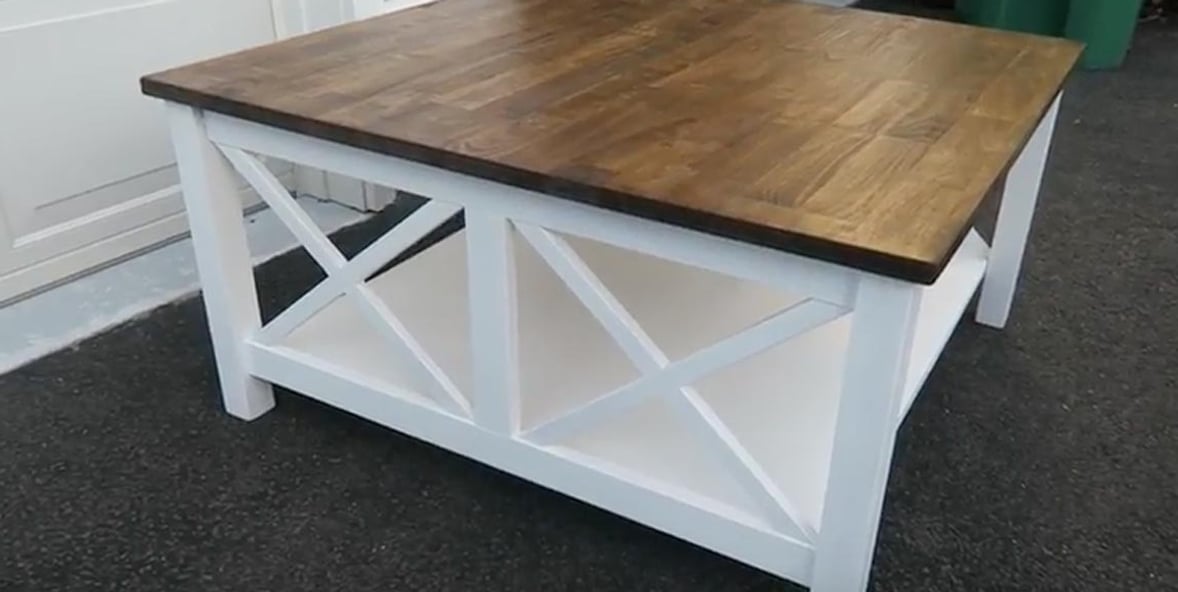
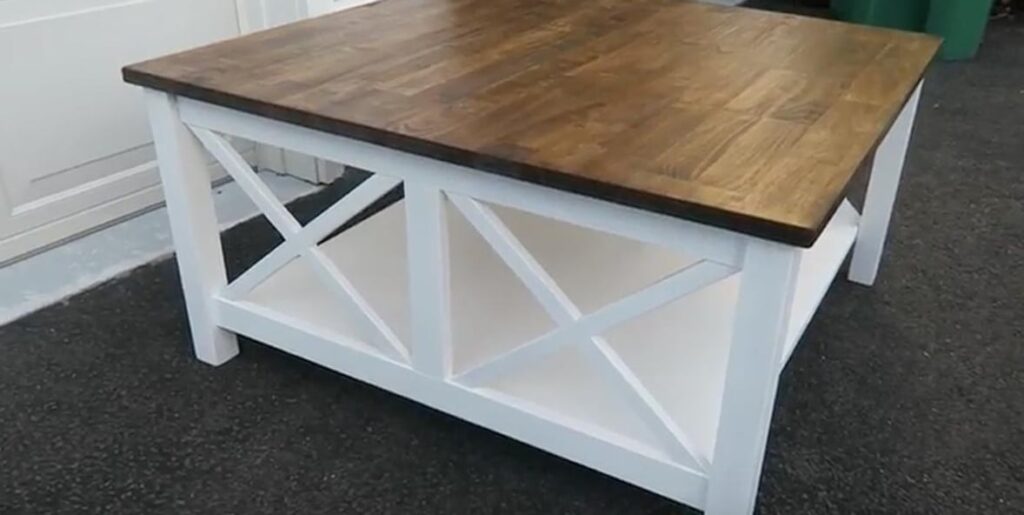
The wood cross pieces are the single most important element of this transformation, and understanding why helps in planning the project. A plain rectangular coffee table reads as modern or neutral — it does not suggest any particular design era or aesthetic. Adding cross pieces to the lower shelf area immediately introduces a visual reference to traditional joinery, barn construction, and rustic craftsmanship. This is a well-understood principle in furniture design: X-shaped bracing has been used for centuries in workbenches, farm tables, and storage furniture because it is structurally sound and visually simple. When applied to a contemporary flat-pack table, those cross pieces act as a kind of time machine — shifting the perceived age and origin of the piece without actually changing its core structure. The lumber required for this step is minimal. Basic dimensional pine or poplar from any home improvement store works well, and the total material cost for the cross pieces typically runs around ten dollars or less.
Choosing the Right Stain for a Rustic Finish
Stain selection is where many first-time DIYers make a mistake — choosing a color that looks appealing on the sample chip but does not read as authentically aged on actual wood. For farmhouse aesthetics, the most reliable choices tend toward warm browns, weathered grays, and dark walnuts. Classic stain tones in the medium-to-dark brown range consistently produce the right result because they mimic the natural oxidation process that gives old barn wood its characteristic color. Application method matters as much as color. Wiping stain on with a rag and then wiping it back off before it fully dries produces a more even, controllable result than brushing it on and letting it sit. Multiple thin coats build depth gradually. The goal is wood that looks like it absorbed decades of use, not wood that looks like it was dipped in brown paint. Allowing the natural grain to show through is what separates a convincing farmhouse finish from a flat, artificial one.