HISTORYHow a Religious Massacre Shaped the American Map7 min read
The Founding of Saint Augustine
Before attacking Fort Caroline directly, Menéndez made a strategic move that would outlast the battle itself. In early September 1565, he founded a Spanish settlement on the Florida coast and named it San Augustin — the city now known as Saint Augustine. The settlement was established partly as a military base and partly as a statement of permanent Spanish presence in the region. Today, Saint Augustine is recognized as the oldest continuously occupied European settlement in what is now the United States, a distinction it holds precisely because Menéndez needed a staging ground for his campaign against the French. The city’s founding and the massacre that followed are inseparable events.
The Attack on Fort Caroline
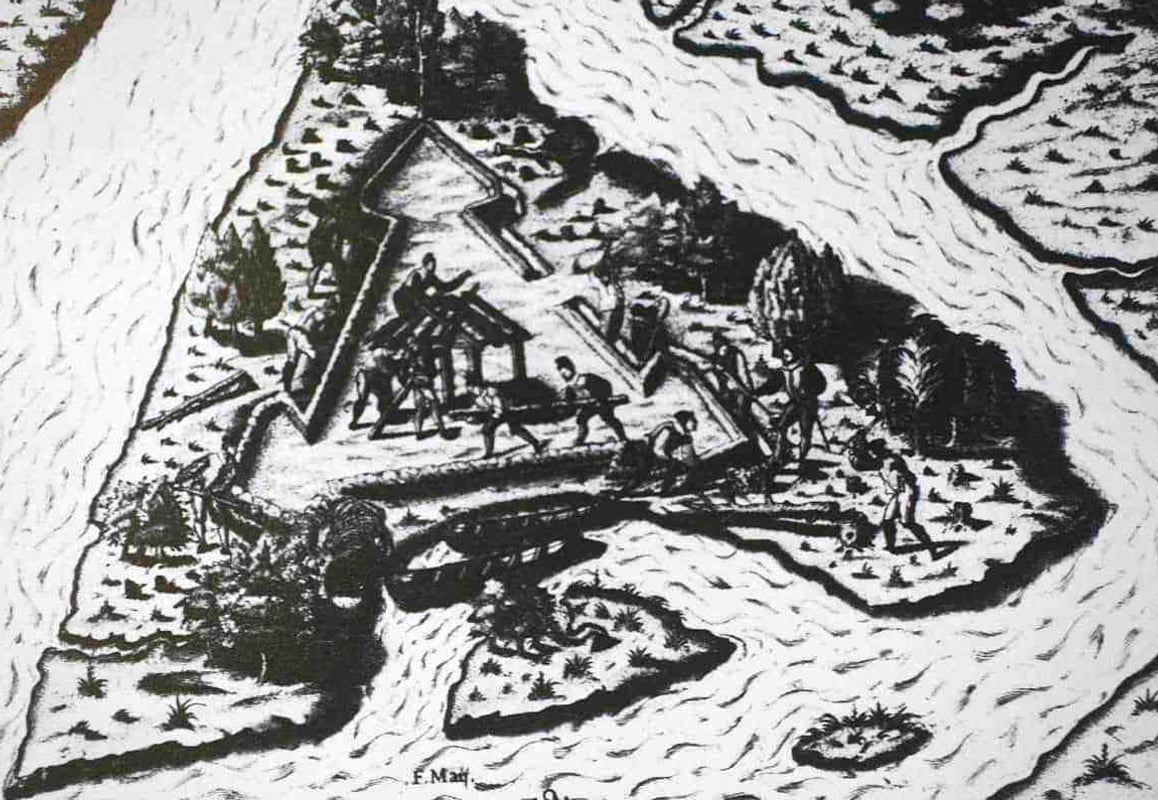
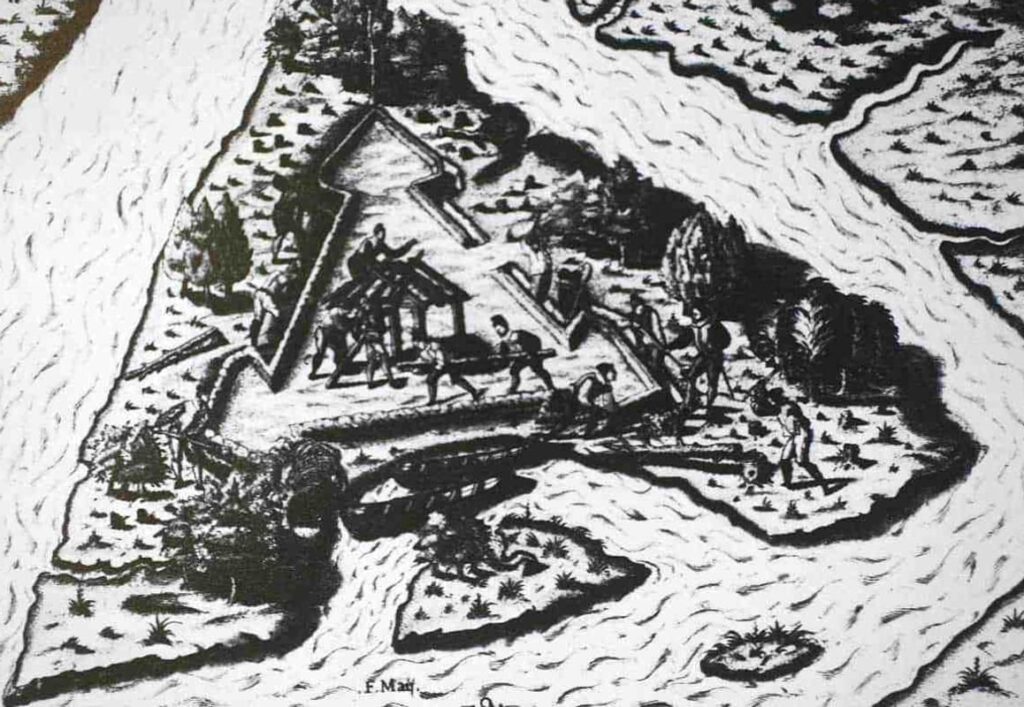
When Menéndez moved against Fort Caroline, the outcome was never seriously in doubt. The French garrison, commanded by René Goulaine de Laudonnière, was outmatched in both numbers and firepower. Spanish forces overwhelmed the settlement in a direct assault. The French lost approximately 135 men in the engagement — a catastrophic toll for a small colonial outpost. Laudonnière himself managed to escape with roughly 50 survivors, fleeing before the Spanish could complete their sweep of the settlement. Fort Caroline was captured, renamed Fort San Mateo, and placed under Spanish control. What had been a refuge for religious exiles became, in a matter of hours, a symbol of Spanish military authority over the region.