HISTORYHow a Religious Massacre Shaped the American Map7 min read
Why France Shifted Its Focus North
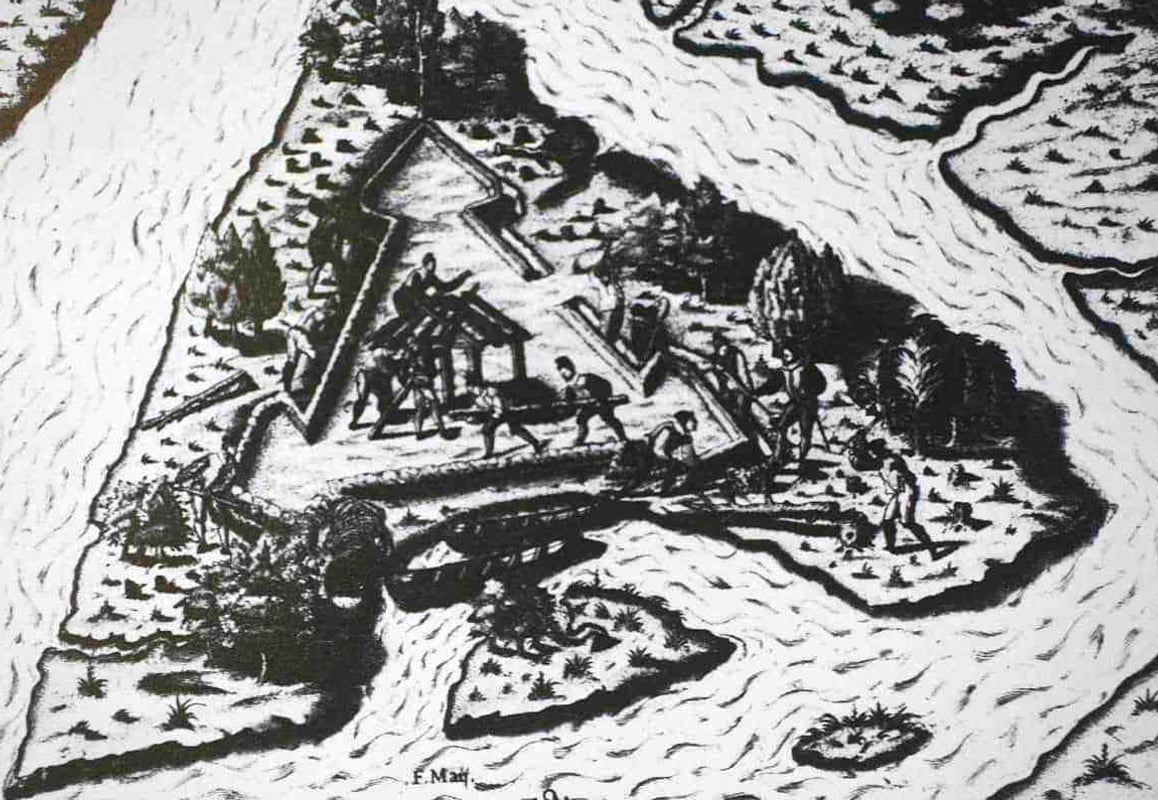
The defeat at Fort Caroline had immediate strategic consequences for France. With Spanish forces in firm control of Florida and the broader southeastern coastline, France recalibrated its colonial ambitions. Rather than contest Spain’s grip on the south, French colonial energy shifted northward — toward the region that would become Quebec and the broader territory of New France in what is now Canada. The loss at Fort Caroline was not the only factor driving this shift, but it made clear that any French presence in the Caribbean-adjacent regions would face violent Spanish opposition. The St. Lawrence River valley and the Great Lakes region, far from Spanish reach, became the primary focus of French expansion in North America for the next century.
What the Battle of Fort Caroline Left Behind
The engagement at Fort Caroline in 1565 left several lasting marks on North American history. Saint Augustine, founded as a military base to support the assault, became the continent’s oldest surviving European city. The French withdrawal from the southeast opened the door to the distinct colonial geography that shaped the eventual United States — with Spain dominant in the south and west, France in the north, and England eventually filling the eastern seaboard. The Huguenots who survived carried their stories back to Europe, contributing to the ongoing French-Spanish rivalry that would play out in various forms across two more centuries of American colonial history. The battle itself lasted hours. Its consequences lasted far longer.