SCIENCELeap Years Are Humanity’s Oldest Calendar Hack and They Still Don’t Quite Work5 min read
Leap Seconds: It Gets Stranger Still
The length of a day isn’t even stable. Earthquakes shift mass inside the Earth. Tidal forces tug at its rotation. Sustained wind patterns change how fast the planet spins. These micro-variations compound, and when they accumulate enough, timekeepers step in. In the past 50 years, 27 leap seconds have been quietly inserted into official clocks — the clock reads 23:59:60 before flipping to midnight.
That extra second breaks things. In 2015, global markets briefly halted trading the moment a leap second hit on June 30, just to keep systems from disagreeing about what time it was. Airlines, GPS satellites, and financial networks all depend on clocks synchronized to within microseconds. The scientific community finally agreed to abolish leap seconds by 2035. What replaces them is still an open question.
Five Million People Born on a Day That Barely Exists
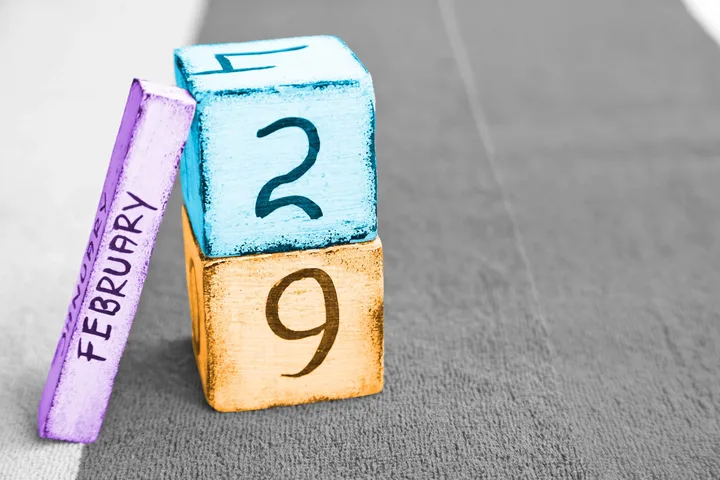
The odds of a February 29 birthday are one in 1,461. About five million people worldwide hit that number — called leapers, leaplings, or leapsters depending on who’s telling it. Most of them pick February 28 or March 1 for non-leap-year celebrations and get on with their lives.
Then there’s the Keogh family of Ireland. Grandfather Peter Anthony was born on February 29, 1940. His son Peter arrived on leap day 1964. His granddaughter Bethany landed on February 29, 1996. Three generations, three leap days, one family. Scotland has historically viewed a leap-day birth as an omen of lifelong suffering — so at the very least, the Keoghs didn’t grow up there.