CURIOSITYNintendo’s Most Important Year Had Surprisingly Little to Do With Pokémon5 min read
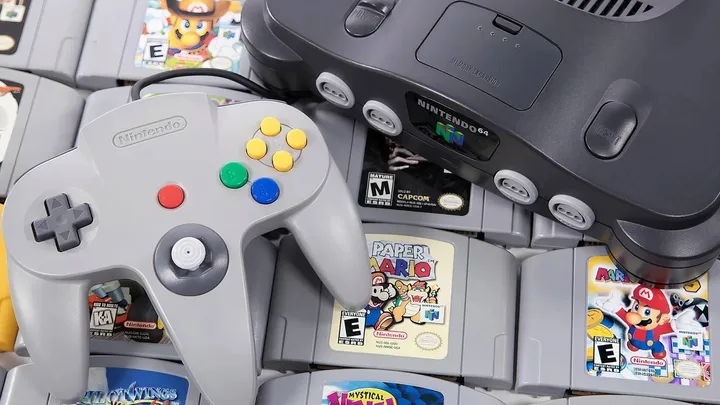
The Gadget Nobody Knew They Needed
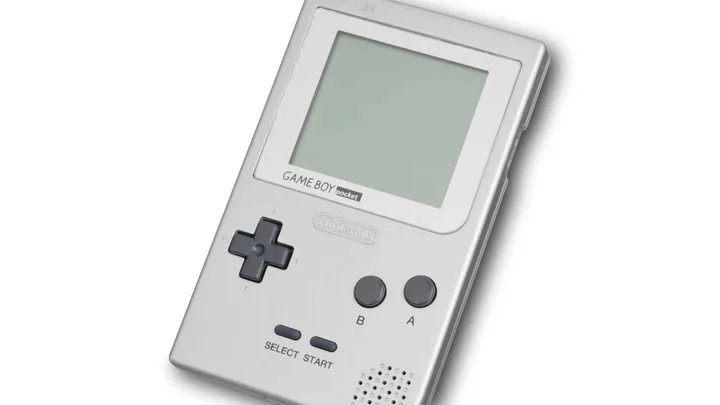
The Game Boy Pocket arrived later in 1996 — smaller, lighter, more battery-efficient than the original brick from 1989. Conventional wisdom says Nintendo rushed it out to ride Pokémon’s coattails. That’s wrong.
The actual catalyst was Mario’s Picross, a puzzle game co-developed with Ape Inc. that flopped in the West but sold spectacularly in Japan. Its success convinced Nintendo to keep squeezing life from the existing hardware rather than racing to a successor. The Pocket was the result: a sleeker shell around the same aging internals, released just in time for Pokémon to give it a second purpose.
The SNES Goes Out Swinging
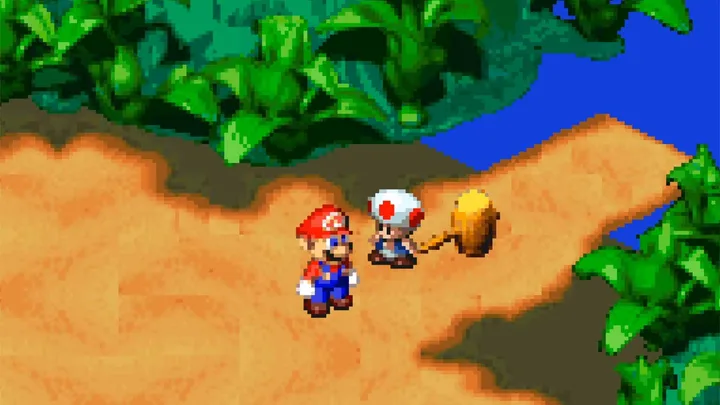
By 1996, the Super Nintendo had one foot out the door. Nintendo had already committed to the N64. The SNES wasn’t getting priority resources. And yet it produced Super Mario RPG that year — the most creatively ambitious Mario title the company had ever greenlit.
Square developed it, pulling from the Final Fantasy playbook while wrapping it around Nintendo’s flagship character. The battle system was sharp. The writing had a bite that Nintendo’s internal teams rarely matched. It never got a direct sequel, but it cracked open a door. Paper Mario walked through it. Mario and Luigi followed. An entire strand of beloved Nintendo games exists because Square took a swing on a dying console in 1996.
Harvest Moon also arrived that year. Sales were modest at launch, and nobody flagged it as genre-defining. In retrospect, it was. Farm simulators and cozy games now represent one of the most commercially reliable sectors of gaming, from Stardew Valley to Animal Crossing. Harvest Moon planted the seed — quietly, without fanfare, on a console most people had already moved past.