HISTORYPerfectly Normal Things That Could Have Gotten You Arrested Not Long Ago4 min read
The Arrest That Changed Sunday Football
On a Sunday in 1917, the managers of the New York Giants and the Cincinnati Reds were hauled off in handcuffs. Their crime? Playing baseball. Blue laws — statutes dating to the nation’s founding that banned secular activity on Sundays to keep the Sabbath sacred — had teeth, and local authorities weren’t shy about using them.
New York got the message fast, loosening its laws two years later in 1919. Other states followed. Pennsylvania held out the longest, clinging to a blue law it had passed in 1794 until voters finally killed it in 1933. The Pittsburgh Steelers, then called the Pirates, debuted that same year. Their first Sunday home game, November 12, 1933, was technically still illegal — the voters had spoken, but the formal repeal hadn’t gone through. Team owner Art Rooney solved the problem the old-fashioned way: he bribed the superintendent of police. The game went on.
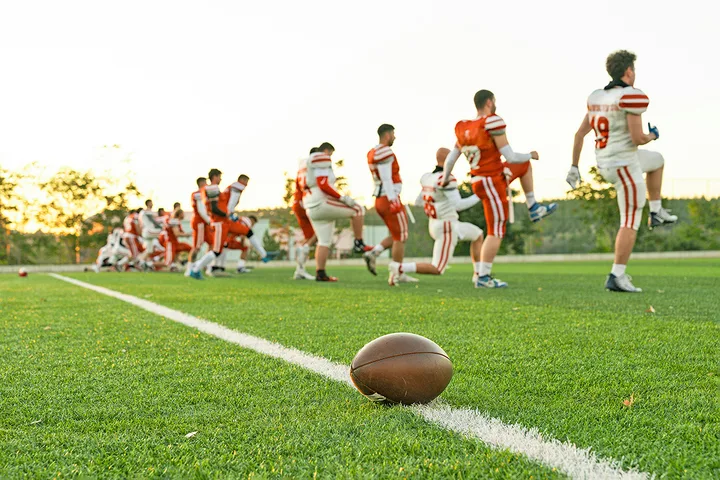
Most blue laws collapsed over the following decades. A handful survive in diluted form — some counties still restrict Sunday alcohol sales — but nobody’s getting arrested for watching football anymore.
The Towns That Banned Dancing
Footloose wasn’t satire. The 1984 film drew directly from real ordinances, most famously the one in Elmore City, Oklahoma, where dancing had been flatly illegal since 1898. Religious groups argued that dancing led straight to drinking and sex, a slippery slope the town was not prepared to grease. The ban stood for 82 years until a group of Elmore City High School students, furious that they couldn’t hold a senior prom, took the fight to local officials and won in 1980.
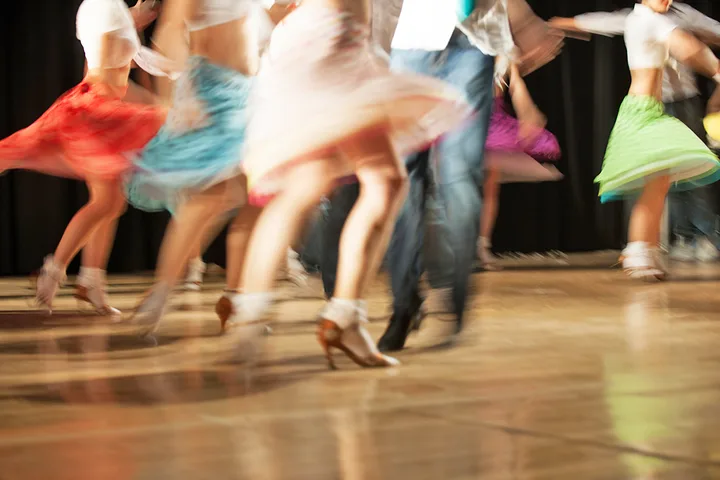
New York City had its own version. The 1926 Cabaret Law banned dancing, singing, and general entertainment at any food or liquor establishment that didn’t hold a special license. In practice, critics said it was used as a cudgel against Black-owned jazz clubs. The city finally repealed it in 2017 — though a quirk of state liquor licensing still technically prohibits dancing at restaurants that serve alcohol. Nobody enforces it, and the state has signaled it wants the language gone for good.