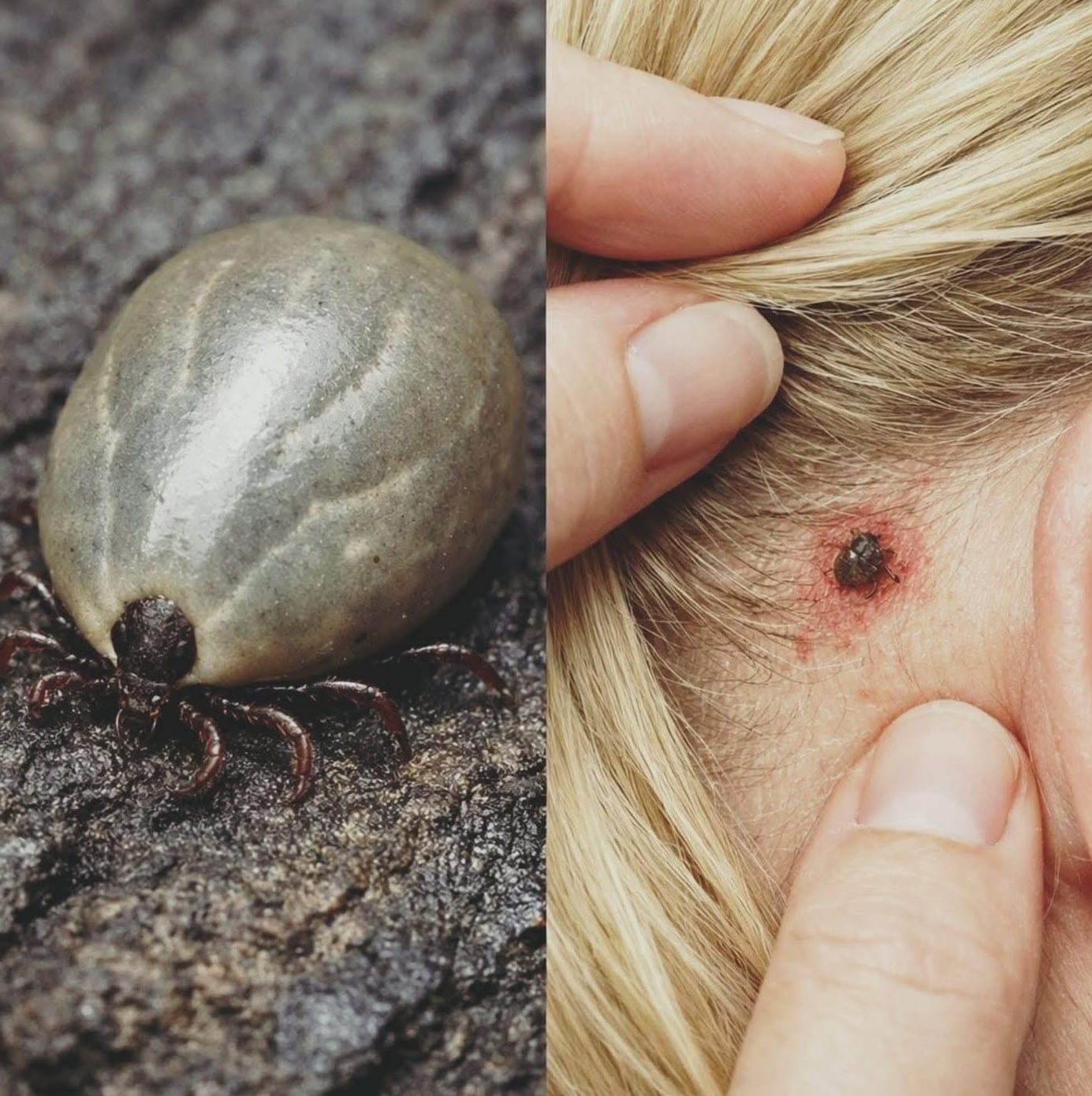
SCIENCEWhat That Tiny Bug in Your Child’s Hair Actually Means5 min read
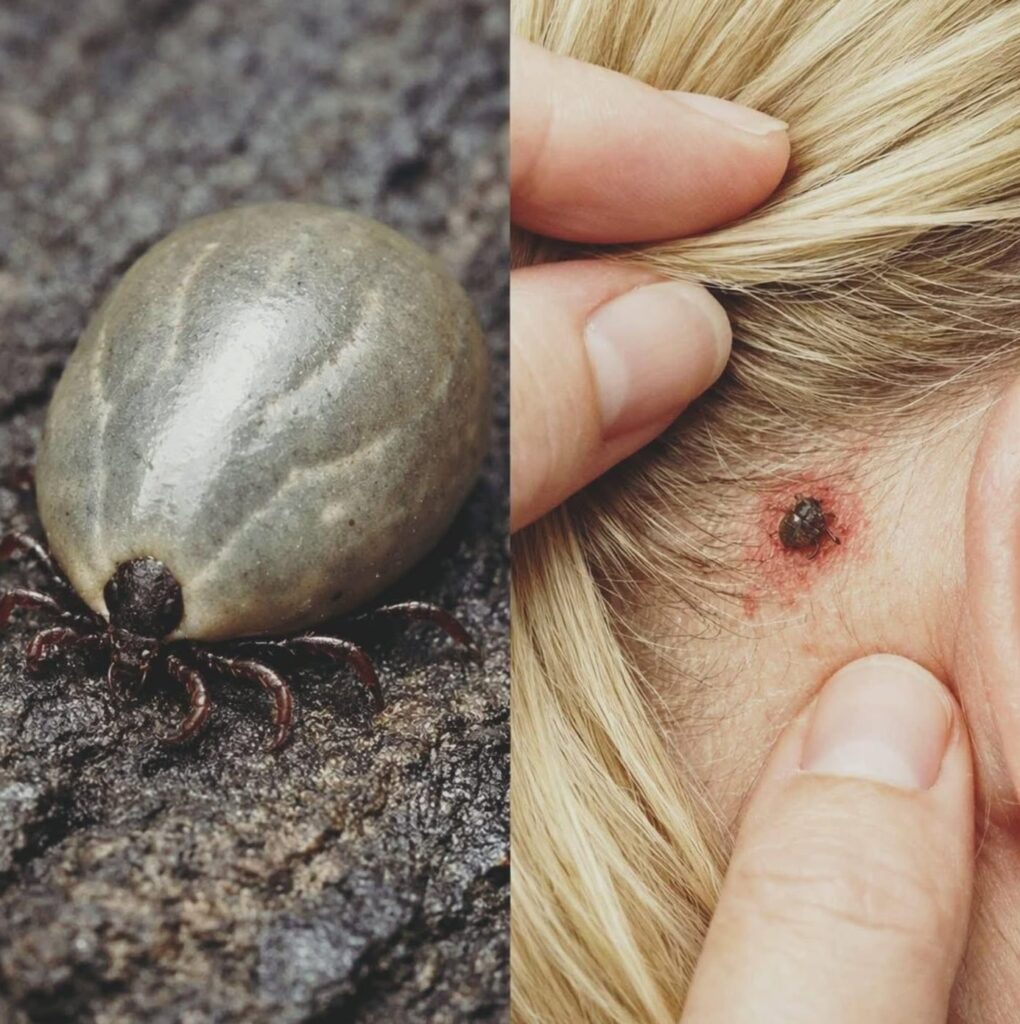
Something’s Moving in There
You’re on the couch, half-watching TV, running a brush through your kid’s damp hair. Then you see it. Something small. Dark. Moving. Your stomach drops before your brain has even fully processed what your eyes just found.
That moment of dread is universal — and almost every parent hits it eventually. The good news: most scalp bugs are common, identifiable, and completely manageable. The bad news is how much bad information is out there, pushing parents toward panicked overreaction when a calm, methodical look is all that’s needed.
Head Lice: The Most Likely Culprit
Head lice are small, wingless, and roughly the size of a sesame seed. Pale gray or tan, they cling to hair shafts near the scalp — especially at the nape of the neck and behind the ears — using legs built specifically for gripping. They can’t fly. They can’t jump. They simply hold on.
The real giveaway isn’t the louse itself but the eggs, called nits. Tiny, teardrop-shaped, and glued hard to individual hair shafts, they don’t flake off the way dandruff does. A fine-toothed comb and decent lighting will confirm them. Worth noting: lice thrive in clean hair just as readily as dirty hair. Finding them says nothing about your parenting.
Treatment has shifted. Many lice strains have developed resistance to the older chemical shampoos, which means wet combing is now the gold standard — not a last resort. Soak hair in conditioner to immobilize the lice, then work through it section by section with a fine metal nit comb. Tedious. Effective. Safe.