HOMESix Grocery Store Mind Games Designed to Make You Spend More3 min read
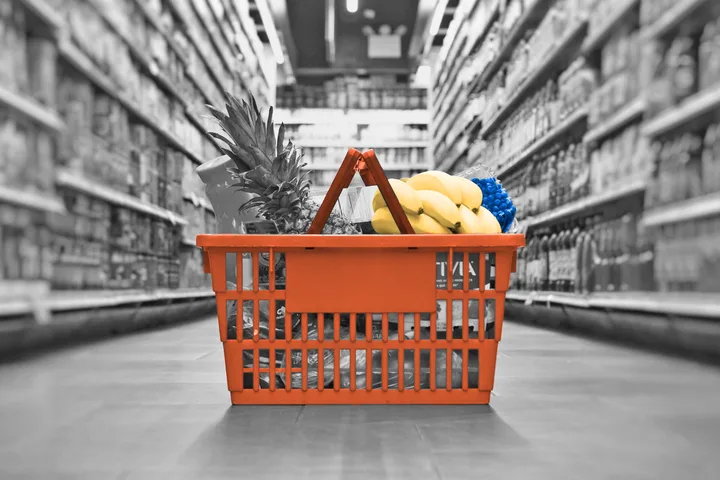
The Shelf That Puts Money at Eye Level
Store brands are cheaper. They’re also consistently shelved lower — below eye line, requiring actual effort to find. Name brands occupy the prime real estate: right at eye level, easy to grab, easy to choose by default. The more expensive option is always the one that requires the least thought.
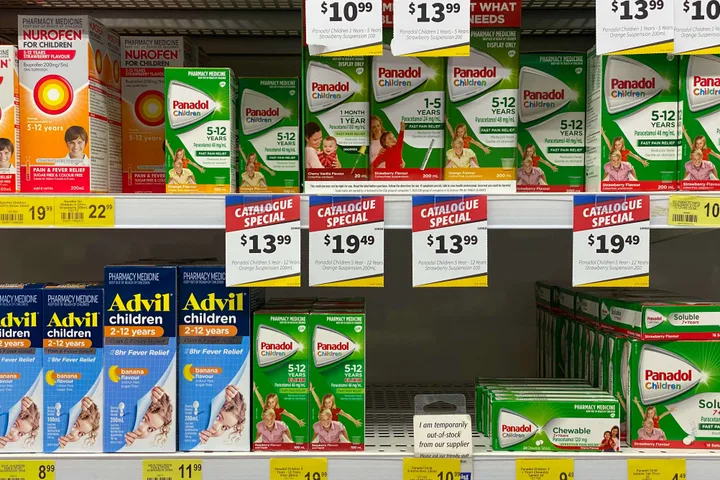
Children’s cereals flip the rule. Those tend to sit lower — at the eye level of a seven-year-old — and the boxes are engineered so the cartoon mascots make direct eye contact with small shoppers. That’s not graphic design. That’s a sales technique aimed at the person least equipped to resist it.
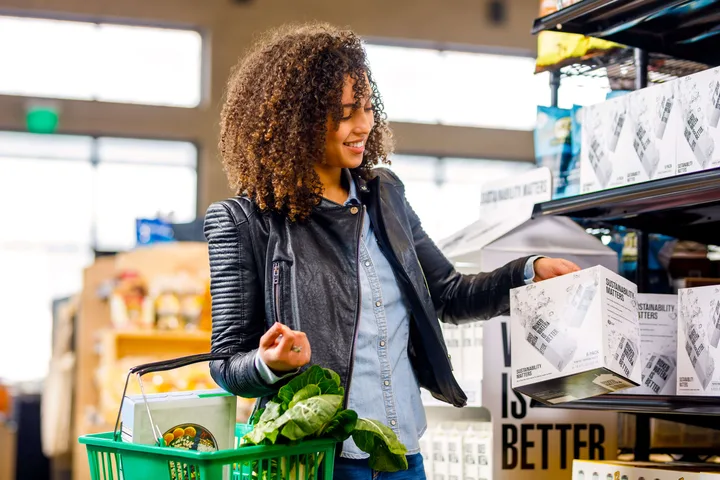
Free Samples and the Guilt That Comes With Them
Of course you’ll buy something you’ve tasted and loved. That’s the obvious half. The less obvious half is that free samples trigger a guilt response — a low-grade social pressure that makes people feel obligated to purchase something after accepting something for nothing. Retailers know this. Sales of a sampled product can spike by as much as 2,000%.
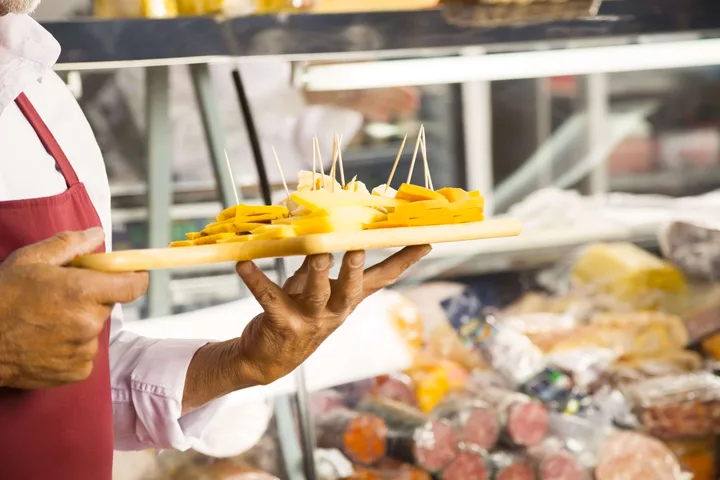
The effect doesn’t stop at the sample station. After a positive tasting experience, shoppers tend to buy more across the whole store — elevated mood, opened wallet, lowered resistance. A little cube of cheese on a toothpick can reshape an entire shopping trip. Fill up on samples by all means. Just walk away aware of what just happened to your defenses.