
The Ice Dam Mistake Almost Everyone Makes
What an Ice Dam Actually Is
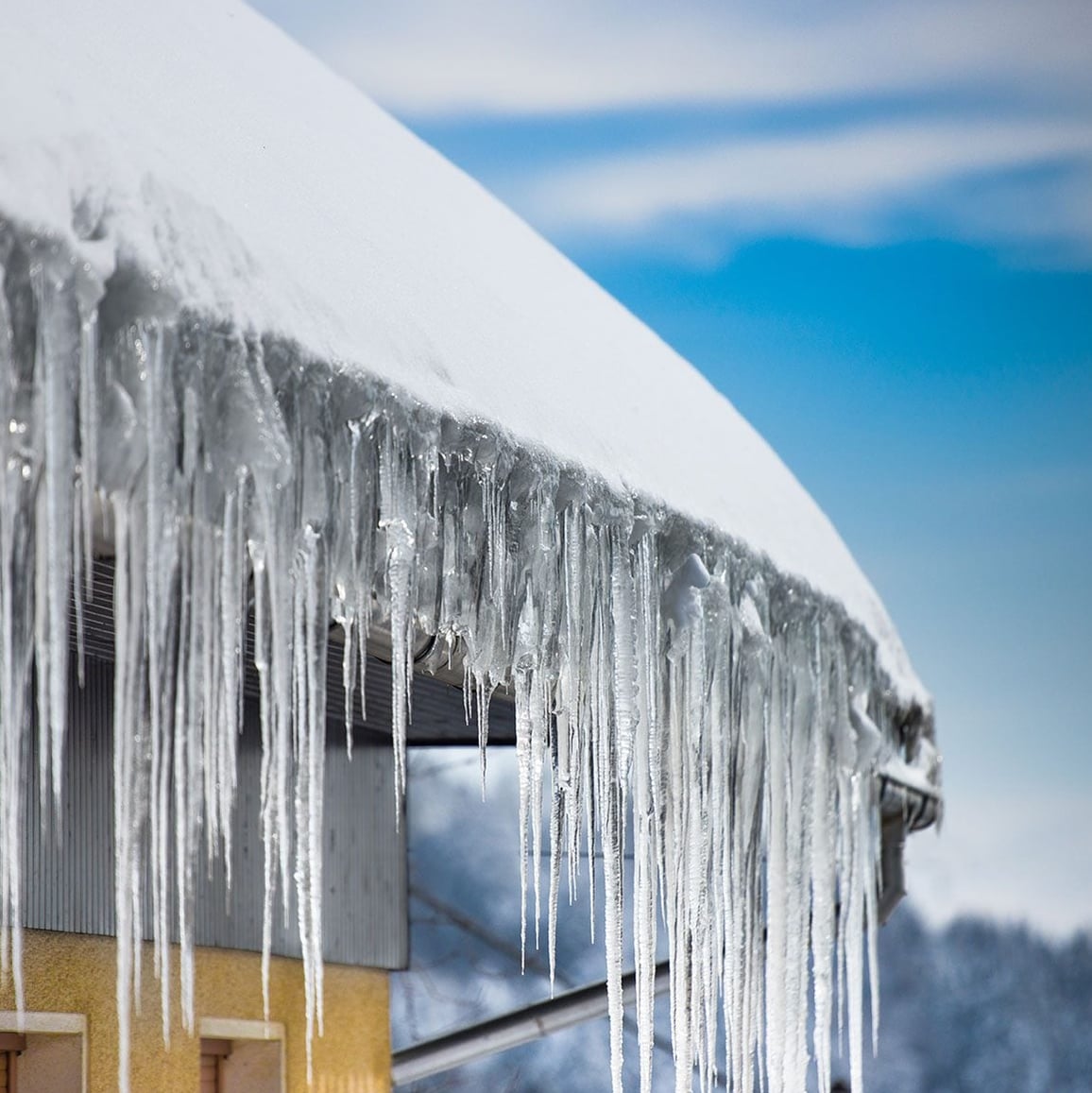
An ice dam is a ridge of ice that builds up along the lower edge of a roof, and it forms in a way most homeowners never expect. When snow sits on a roof, the section above the heated living space warms above 32 degrees Fahrenheit — just enough to melt the snow. That meltwater runs down toward the eaves, which remain cold because no heat rises beneath them. There, the water refreezes and forms a growing rim of ice. As more snow melts and runs down, the rim traps it, creating a pool of standing water on the roof. The ice dam itself is not the real problem. The trapped water behind it is.
Why Your Attic Is the Real Culprit
Most people assume ice dams are a roofing problem. They are actually an attic problem. In a typical home, roughly one-third of all heat loss escapes upward through the ceiling and into the attic space. That warm air heats the wood decking and shingles from below, raising the roof surface temperature above freezing even when outdoor temperatures are well below it. The rest of the roof — particularly the overhanging eaves beyond the attic — stays cold. That temperature difference between the middle of the roof and its edge is precisely what creates the conditions for an ice dam to form. Fix the attic, and the roof surface stays uniformly cold.
Air Leaks Do More Damage Than Poor Insulation
When homeowners think about heat loss, they picture thin or missing insulation. In reality, air leaks are often the bigger driver of heat escaping into an attic. Unblocked wall cavities, gaps around plumbing pipes, cracks near light fixtures, unsealed access hatches, and openings around chimneys all allow warm interior air to pour directly into attic space. This bypasses insulation entirely. Sealing these penetrations requires climbing into the attic, moving or raking back existing insulation, and filling gaps with spray foam, caulk, or rigid foam board depending on the size and location. It is demanding work, but it directly attacks the root cause of ice dams while also cutting heating and cooling bills year-round.
How to Find and Seal Attic Bypasses
The best time to seal attic air leaks is during cool weather — attic temperatures in summer can become dangerously high, and the work requires sustained effort. Before starting, wear a dust mask, long sleeves, and long pants to protect against insulation fibers. Look for dark-stained insulation, which marks spots where air has been flowing through. Common problem areas include the tops of interior walls, dropped soffits over kitchen cabinets, and any location where a pipe, wire, or duct passes through the ceiling. Small gaps take foam or caulk. Larger openings — around chimneys, for example — require metal flashing or rigid foam cut to fit. One important note: when tightening a home’s air envelope, have combustion appliances checked for proper drafting, since restricted air supply can cause backdrafting and carbon monoxide buildup.