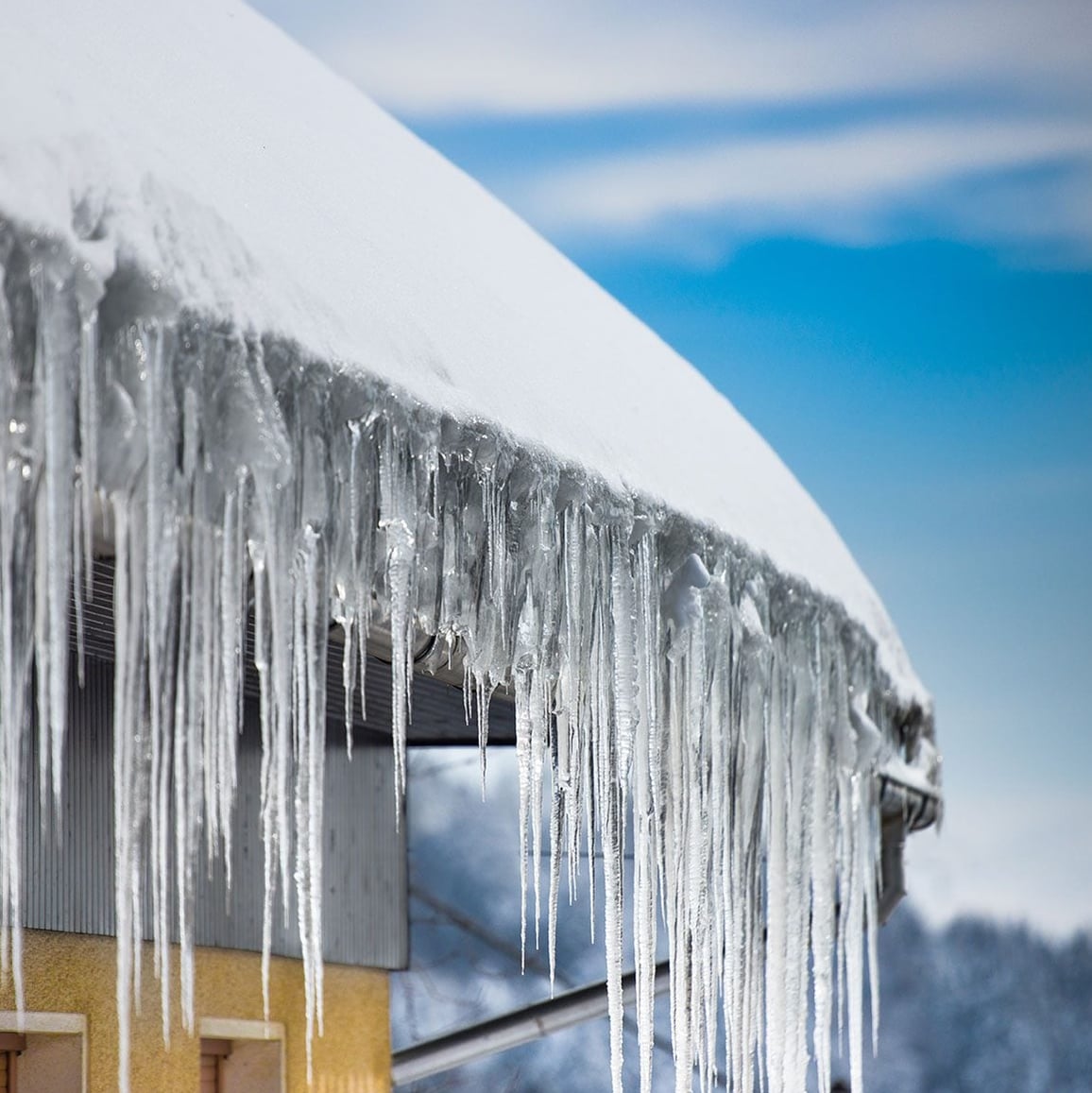
HOMEThe Ice Dam Mistake Almost Everyone Makes7 min read
The Right Amount of Attic Insulation
After sealing air leaks, the next step is making sure the attic floor has adequate insulation. Building codes in cold climates generally call for 12 to 14 inches of fiberglass or cellulose insulation, which corresponds to roughly an R-40 value. If the existing insulation depth is less than eight inches and ice dams have been a recurring problem, adding more should be a priority. Blown-in cellulose or blown fiberglass tends to outperform hand-placed batts because it fills tightly around rafters, joists, and obstructions, leaving fewer thermal gaps. Professional installation is usually cost-effective for this step since the equipment — a large blowing machine — is cumbersome, though rental is available at home centers, sometimes free with an insulation purchase.
Why Attic Ventilation Matters
Even a well-sealed, well-insulated attic benefits from ventilation. Continuous airflow through the attic draws in cold outdoor air from low vents and exhausts warmer air through high vents, keeping the entire roof deck at a consistently cold temperature. The minimum standard is approximately one square foot of net free vent area for every 300 square feet of attic floor space, with roughly half the ventilation area positioned low and half positioned high. When this balance is achieved, cold air sweeps across the underside of the roof deck and flushes out any heat that does make it through the insulation and ceiling. Over-ventilating is rarely a concern — more ventilation than the minimum generally causes no problems.