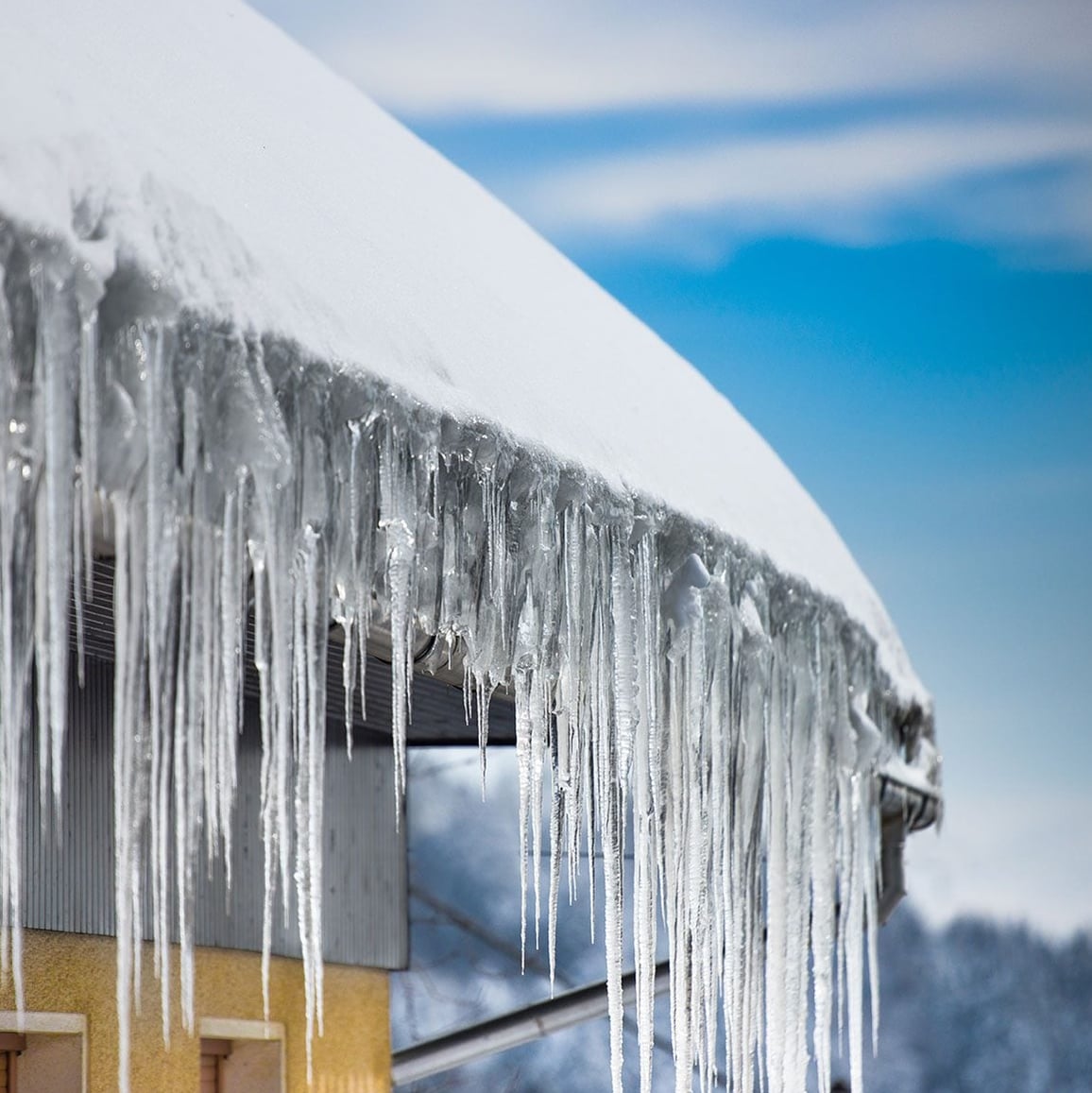
HOMEThe Ice Dam Mistake Almost Everyone Makes7 min read
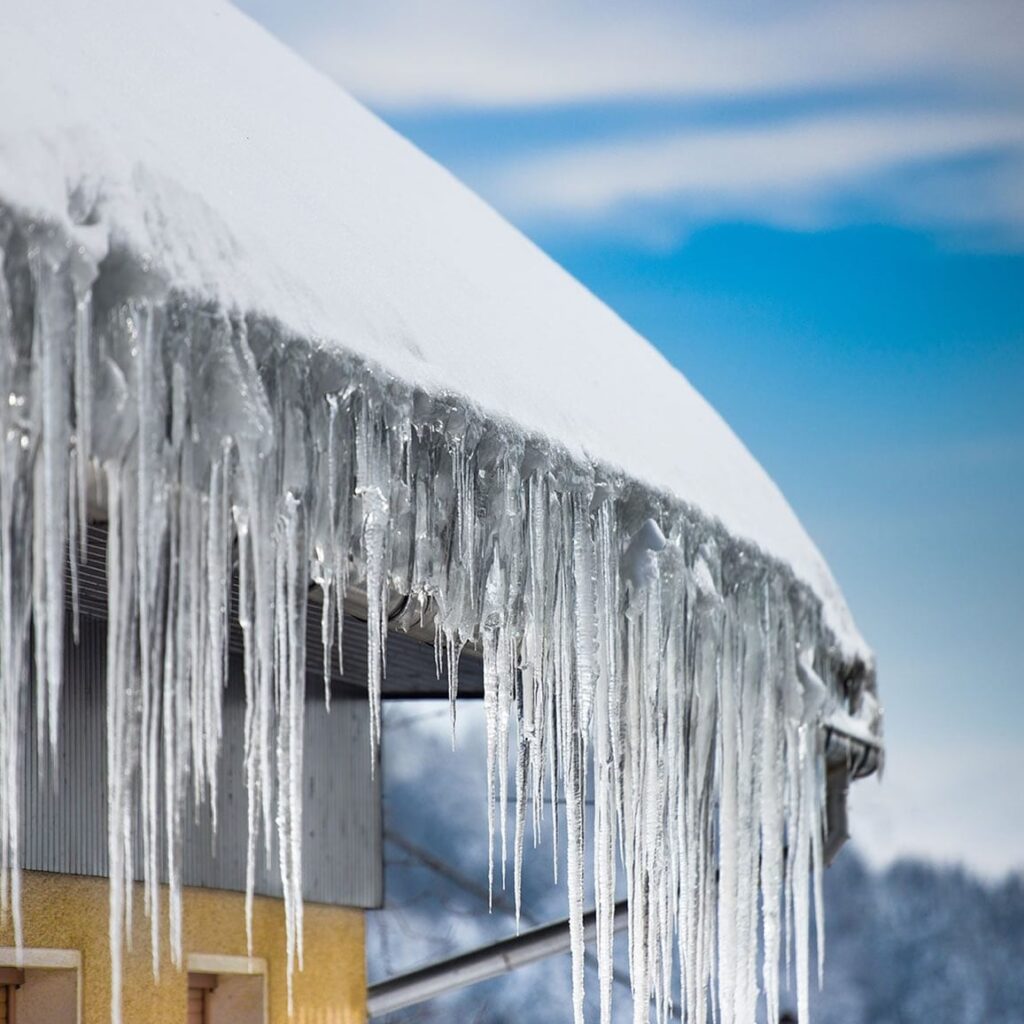
The Safest Way to Remove an Existing Ice Dam
If an ice dam is actively leaking and raking snow off the roof is not possible or has not resolved the problem, the most reliable removal method is professional steam. A roofing contractor with a steam unit can melt through the ice dam without damaging shingles — steam is hot but low-pressure, unlike a standard pressure washer. Chipping at ice with a hatchet, ice pick, or flat bar is a tempting shortcut but frequently punctures or cracks shingles, trading one repair for another. Calcium chloride ice-melt products can be placed in a nylon stocking and laid across the dam to create a drainage channel, which is a reasonable temporary measure while waiting for a contractor, but it does not eliminate the dam entirely.
The Order of Operations for Long-Term Prevention
Addressing ice dams in a systematic order produces the best results. Start with air sealing, since stopping heat from escaping into the attic in the first place is the most direct solution. Then evaluate insulation depth and add material if the existing layer falls short. Next, assess ventilation and add soffit or ridge vents if the attic lacks adequate airflow. Finally, consider protective products — ice-and-water membrane, heat cables, or both — for sections of the roof that remain vulnerable. Any one of these steps improves the situation. All four together create a roof that is genuinely resistant to ice dams across a range of winter conditions, and the air-sealing and insulation work pays an ongoing dividend in lower energy bills.