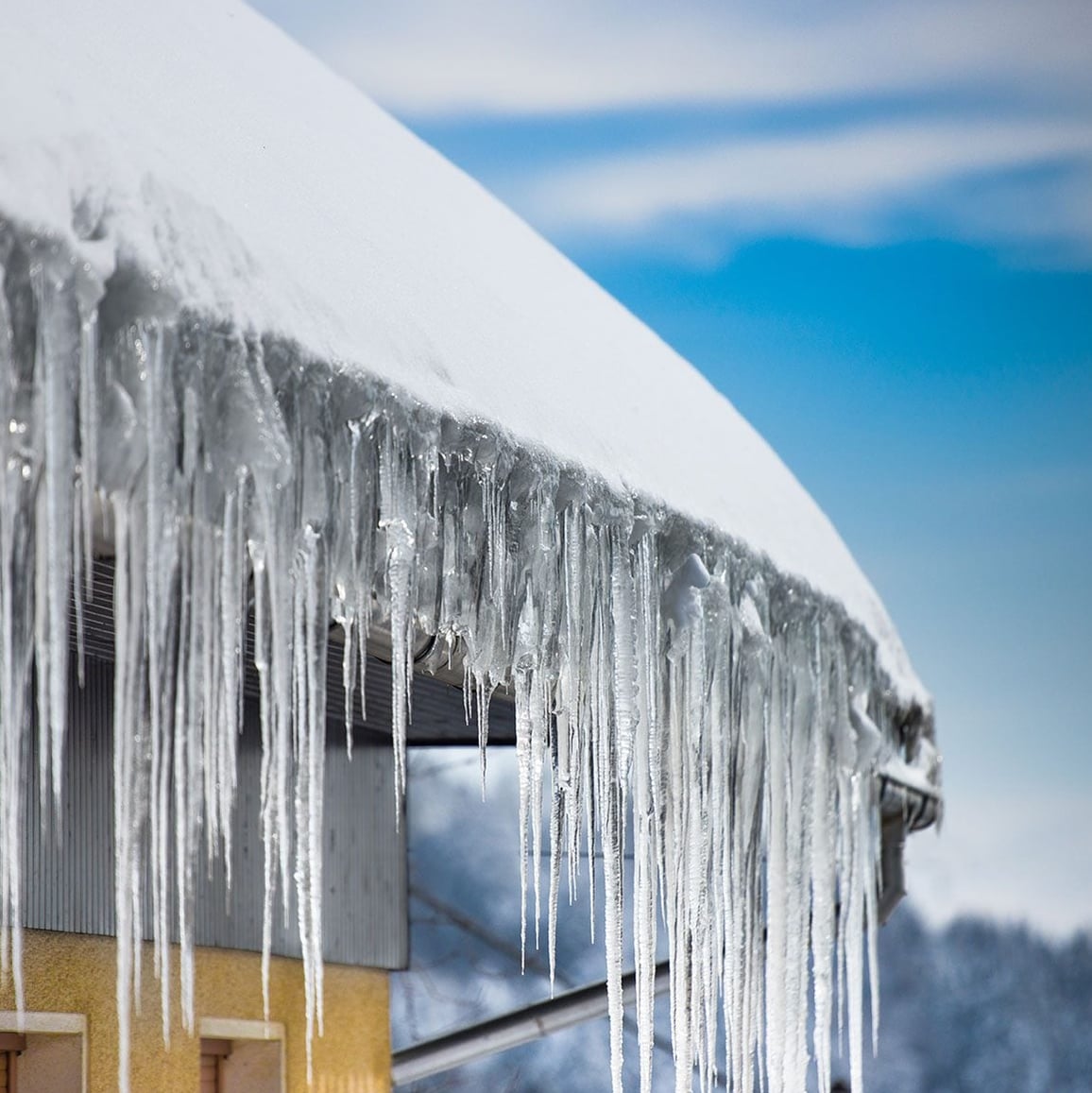
HOMEThe Ice Dam Mistake Almost Everyone Makes7 min read
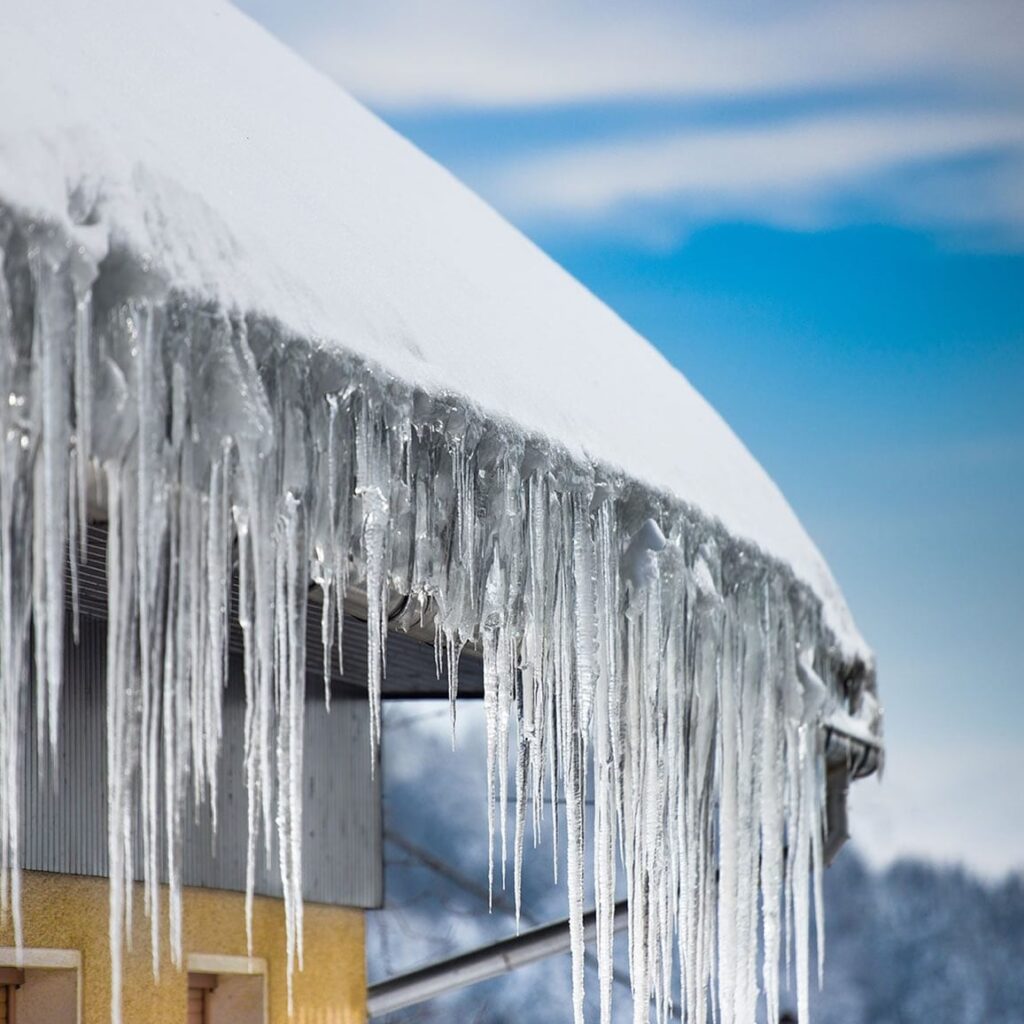
When Prevention Is Not Enough
Even a well-managed roof can develop ice dams during winters with unusually heavy snowfall. Roof valleys — the channels formed where two roof planes meet at an angle — collect windblown snow and tend to stay packed regardless of attic temperature. Some sections of complex roofs, particularly low-slope areas or spots shaded from sun, may be structurally prone to ice buildup. In these cases, secondary strategies come into play. Ice-and-water shield membrane, installed under shingles along the eaves and in valleys during a roof replacement, provides a waterproof barrier that prevents leaks even when ice dams form on top of it. Self-regulating electric heat cables laid along problem areas can also prevent ice from accumulating in the first place.
How to Read the Warning Signs Inside
Ice dam damage often shows up inside the house before it is visible on the roof. One of the earliest signs is rust spots appearing around drywall screws on ceilings — moisture from a slow leak oxidizes the fasteners and bleeds through the paint or joint compound. Peeling paint near exterior walls, sagging or bubbling sheetrock, and water stains around door and window frames are all consistent with ice dam leakage working its way down through the wall assembly. Left unaddressed, persistent moisture behind walls can lead to mold growth and structural rot in the framing. Catching these signals early and tracing them back to the attic often prevents a minor leak from becoming a major repair.