HISTORYThe Real Reasons Six Beloved Sports Teams Got Their Famous Names5 min read

Indianapolis Packed a Racetrack Into a Basketball Name
When the Indiana Pacers formed in 1967, they needed a name that said something about Indianapolis. The city had one answer: the Indy 500. Established in 1911, the race defines the city the way the river defines a town—everything orients around it.
Central to every Indy 500 is the pace car, which leads the field before the green flag and reappears during caution periods to control the pack. It signals danger. It keeps order. Manufacturers compete for the honor of supplying it, knowing millions of eyes will be on the hood ornament.
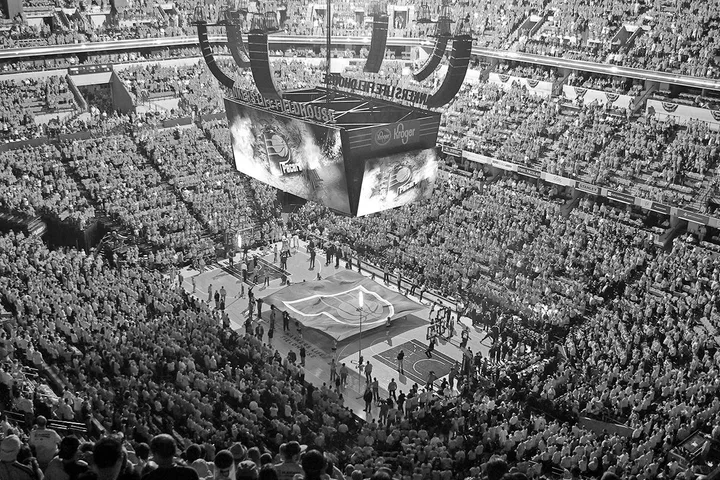
The Pacers folded that imagery into their identity—speed, control, the rhythm of a race. The name also nodded to the pacemakers produced by medical device companies in the Indianapolis area. Two meanings, one city, one word that captured both.
Gold Rush Fever Baked Into a Franchise Name
California has been called the Golden State for a reason. Gold was discovered at Sutter’s Mill in 1848. Within a year, roughly 300,000 people had flooded into the state chasing the rush, picking up the collective nickname “forty-niners” along the way. The Gold Rush didn’t just shape California’s economy. It built its entire mythology.
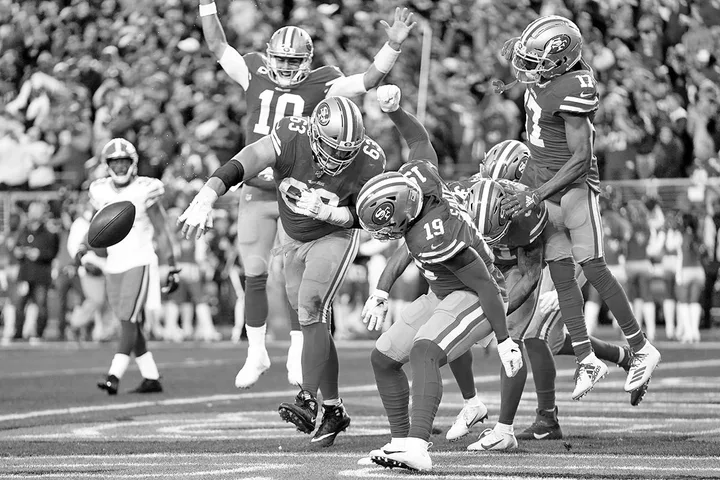
San Francisco’s football franchise, founded in 1946, reached back nearly a century for its name. The 49ers were the original California dreamers—restless, ambitious, willing to upend their lives for a shot at something bigger. The team claimed their legacy wholesale. Seventeen years later, the Philadelphia 76ers pulled the same move, naming themselves for 1776, the year of American independence.
Two franchises, a century apart in their historical reference points, both betting that a single number could carry the weight of an entire era. In San Francisco’s case, it has held up just fine.