HISTORYThe Wildly Strange History Behind April Fools’ Day Around the World4 min read

Nobody Actually Knows Why It Falls on April 1
Every April 1, people worldwide tape fish to coworkers’ backs, plant fake spiders in cereal boxes, and flood social media with made-up announcements. The strange part? Nobody can explain why we do any of this on this specific day. Historians have theories. None are proven.
The most repeated origin story points to Hilaria, an ancient Roman festival held on March 25 featuring games, parties, and pranks. The Romans called that date the “eight days before the Calends of April,” and while the vibe lines up, there’s no hard evidence Hilaria directly spawned the modern holiday or explains the eventual shift to April 1.
A second theory traces the change to 1582, when the Catholic Church replaced the Julian calendar with the Gregorian, moving New Year’s Day from late March to January 1. People slow to adopt the new calendar kept celebrating the old date and were mocked as fools. Protestant countries like England stuck with the March 25 New Year until 1752, for reasons entirely unrelated to Hilaria. The origin remains genuinely unsettled.
The French Call It April Fish
In France, April Fools’ Day goes by poisson d’avril, which means April fish. The phrase was used to describe a gullible person as far back as 1691. One working theory: young fish, born in spring, are easy to catch. So are easy marks. The metaphor stuck.
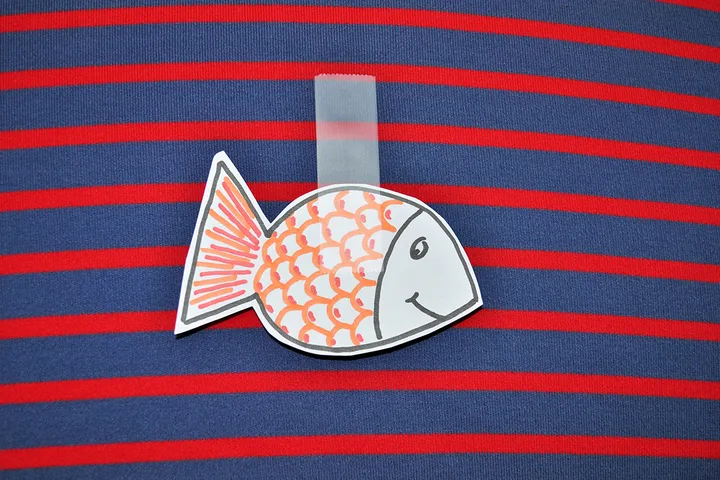
The signature French prank is cutting out paper fish and quietly taping them to someone’s back. When the victim finally notices, the prankster yells “Poisson d’avril!” It’s surprisingly enduring for a joke that relies entirely on someone not noticing a piece of paper on their back for an extended period.
The tradition spread through French-speaking regions including Quebec, Belgium, and Switzerland, and crossed into Italy, where it’s called pesce d’Aprile. Same fish, different accent.