HISTORYThe Wildly Strange History Behind April Fools’ Day Around the World4 min read

In Britain, Your Window Closes at Noon
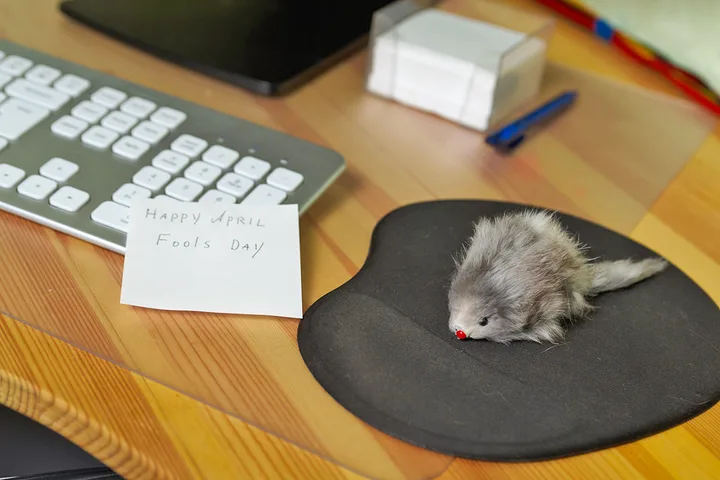
Across the UK and much of the former British Empire, there’s a hard cutoff: all pranks must land before noon on April 1. Pull a prank in the afternoon and you don’t fool anyone. You become the fool. It’s a rule most people vaguely know and nobody fully understands.
The best explanation traces back to a 17th-century British observance called Shig-Shag Day, held on May 29. Celebrants wore oak sprigs in their hats to show loyalty to the monarchy. Those who didn’t were ridiculed until midday, when all mockery was officially over. The noon cutoff appears to have outlasted the holiday that invented it.
Scotland Stretches It to Two Full Days
The Scots don’t stop at one day. What is a single-day affair in England is a two-day event in Scotland, where the holiday goes by April Gowk or Huntigowk Day. The word gowk means cuckoo in Scots, a regional term for whoever ends up looking ridiculous.
Day one involves sending someone on a pointless errand. The classic version: hand them a sealed letter and ask them to deliver it. The letter reads, “Dinna laugh, dinna smile. Hunt the gowk another mile.” The recipient hands over another sealed note with the same message. The cycle continues until the courier finally realizes they’re the joke.

Day two, April 2, is called Tailie Day. The game is simple: sneak up on someone and pin a written message to their backside. “Kick me” is the classic. It’s crude, it’s childish, and it’s been going on for centuries.